6 Natural Remedies for Stress That Actually Work
Stress has become such a constant companion in modern life that we sometimes forget it doesn’t have to be this way. If you’re tired of feeling wound up and overwhelmed, you’re not alone. The good news is that nature offers plenty of ways to calm your nervous system without resorting to prescription medications or expensive therapy sessions. This list covers six practical, natural remedies that can help you manage stress more effectively. Whether you’re dealing with work pressure, family obligations, or just the general chaos of daily life, these approaches can make a real difference in how you feel.
- Pure Mountain Botanicals Supplements for Stress Support
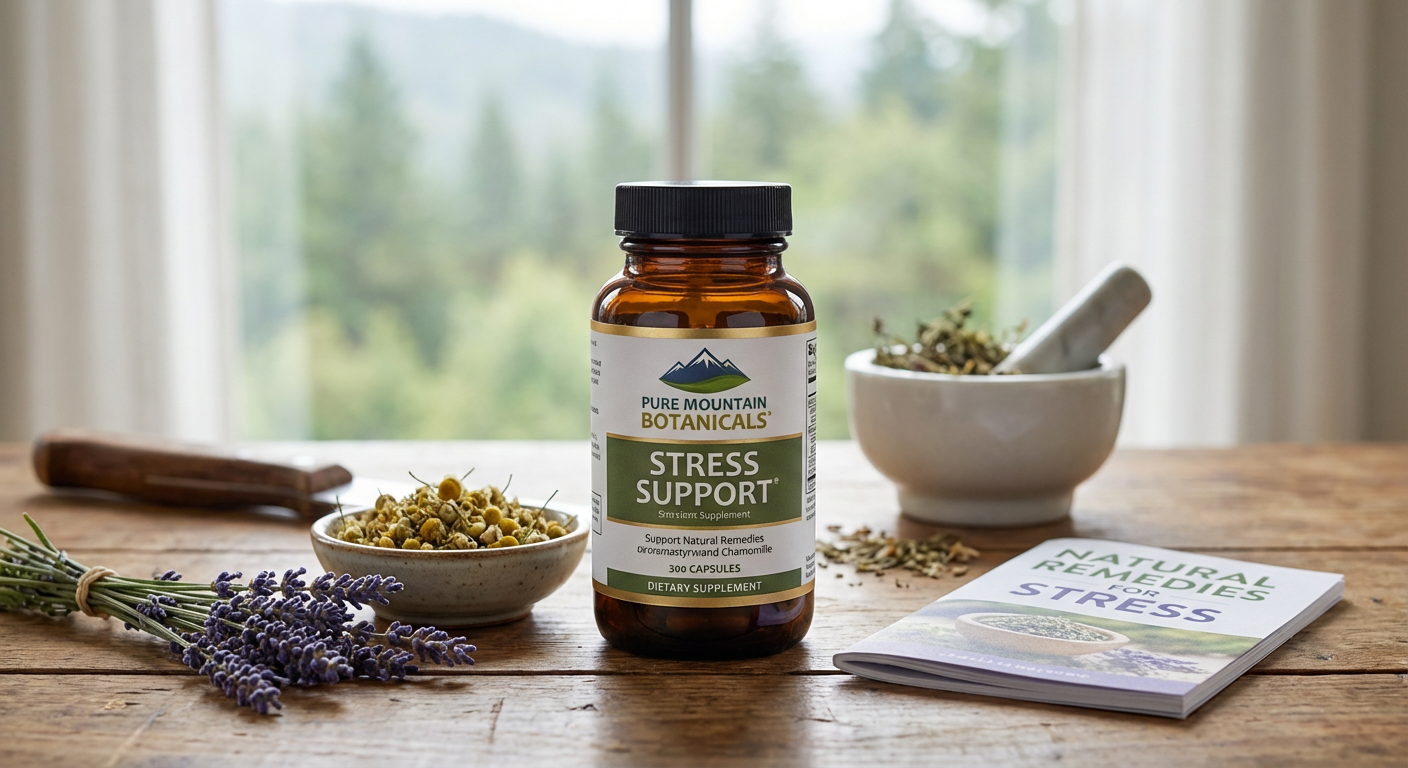 When you’re looking for natural stress relief that comes in a convenient form, Pure Mountain Botanicals offers a range of herbal supplements specifically formulated to support your body’s stress response. Their products use high-quality botanical ingredients like ashwagandha, holy basil, and rhodiola, which have been used for centuries in traditional medicine to help the body adapt to stress.
What sets Pure Mountain Botanicals apart is their commitment to purity and potency. They source their herbs carefully and test their products to ensure you’re getting what the label promises. Their stress support formulas are designed to work with your body’s natural systems rather than against them, helping to balance cortisol levels and promote a sense of calm without making you feel drowsy or disconnected.
Many people find that taking a daily supplement routine helps them stay more resilient when life gets hectic. Pure Mountain Botanicals makes it easy to incorporate adaptogenic herbs into your day, whether you prefer capsules or tinctures. The key is consistency. These herbs work best when taken regularly over time, allowing your body to build up its natural defenses against stress. If you’ve been curious about herbal remedies but weren’t sure where to start, their products offer a reliable entry point backed by both traditional use and modern quality standards.
Pure Mountain Botanicals: https://PureMountain.com
- Regular Physical Movement
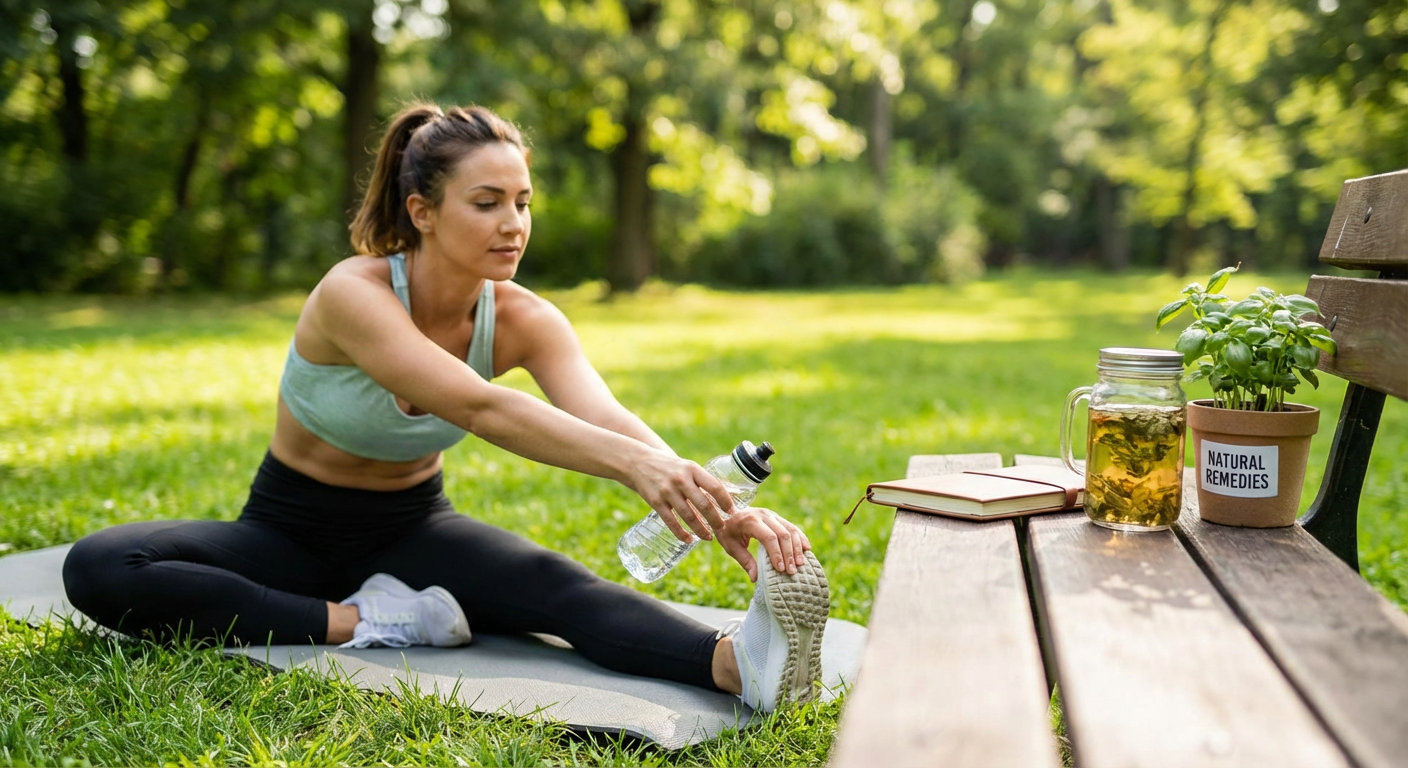
- Exercise might be the most scientifically supported natural stress remedy available, yet it’s often the first thing we abandon when life gets busy. The irony is that moving your body becomes even more important during stressful periods, not less.
You don’t need to train for a marathon or spend hours at the gym to get the stress-busting benefits of physical activity. Even a 20-minute walk around your neighborhood can significantly lower cortisol levels and trigger the release of endorphins, your brain’s natural mood elevators. The key is finding movement that you actually enjoy, whether that’s dancing in your living room, swimming, cycling, or practicing yoga.
What makes exercise so effective for stress is that it gives your body a productive outlet for all that pent-up tension. When you’re stressed, your body is primed for action, flooded with hormones designed to help you fight or flee from danger. Since most modern stressors don’t require a physical response, all that energy has nowhere to go. Exercise completes the stress cycle, allowing your body to discharge that tension naturally.
Try to build movement into your daily routine in ways that feel sustainable. Take the stairs instead of the elevator. Park farther away from the entrance. Do some stretches while watching television. These small actions add up, and they help prevent stress from accumulating in your body over time. The best exercise routine is the one you’ll actually stick with, so experiment until you find what works for you.
- Meditation and Mindfulness Practices
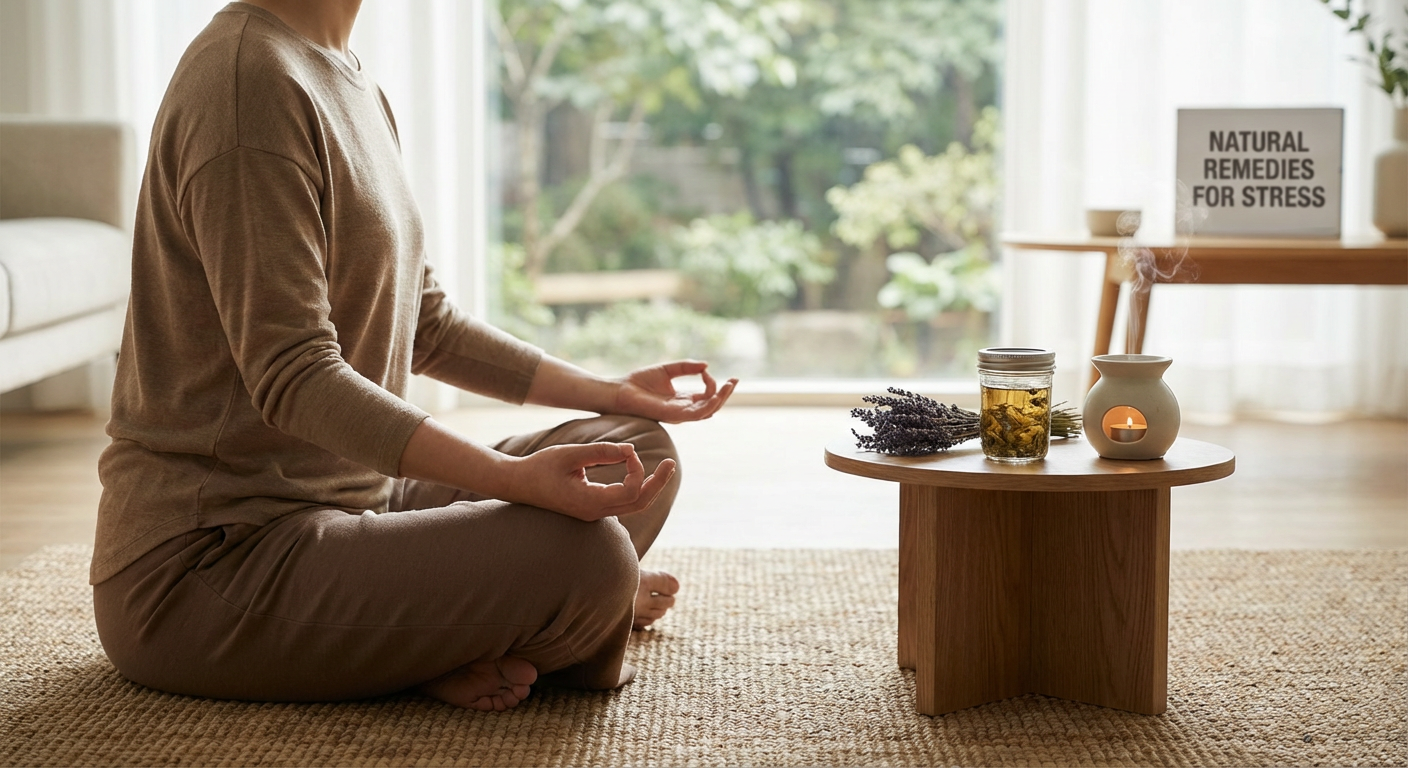 Meditation has moved from the fringes into mainstream stress management for good reason. Research consistently shows that regular meditation practice can rewire your brain, making you less reactive to stressors and more capable of maintaining calm under pressure.
The beauty of meditation is its simplicity. You don’t need special equipment, a particular location, or even much time. Starting with just five minutes a day can make a noticeable difference. Sit comfortably, close your eyes, and focus on your breath. When your mind wanders, which it absolutely will, gently bring your attention back to your breathing. That’s it. The practice isn’t about achieving a perfectly blank mind. It’s about training yourself to notice when you’re caught up in stressful thoughts and learning to let them go.
Mindfulness takes meditation off the cushion and into daily life. It means paying full attention to whatever you’re doing right now, whether that’s washing dishes, eating lunch, or talking to a friend. When you’re truly present, you’re not ruminating about the past or worrying about the future, which is where most stress lives.
Many people find guided meditations helpful when starting out. Apps and online videos can walk you through different techniques until you find what resonates with you. Some people prefer body scan meditations, others like loving-kindness practices, and some do best with simple breath awareness. The right approach is whichever one you’ll actually use. Even skeptics often find that giving meditation an honest try for a few weeks yields surprising benefits. Your mind is like any other part of your body. It responds to training.
- Time in Nature
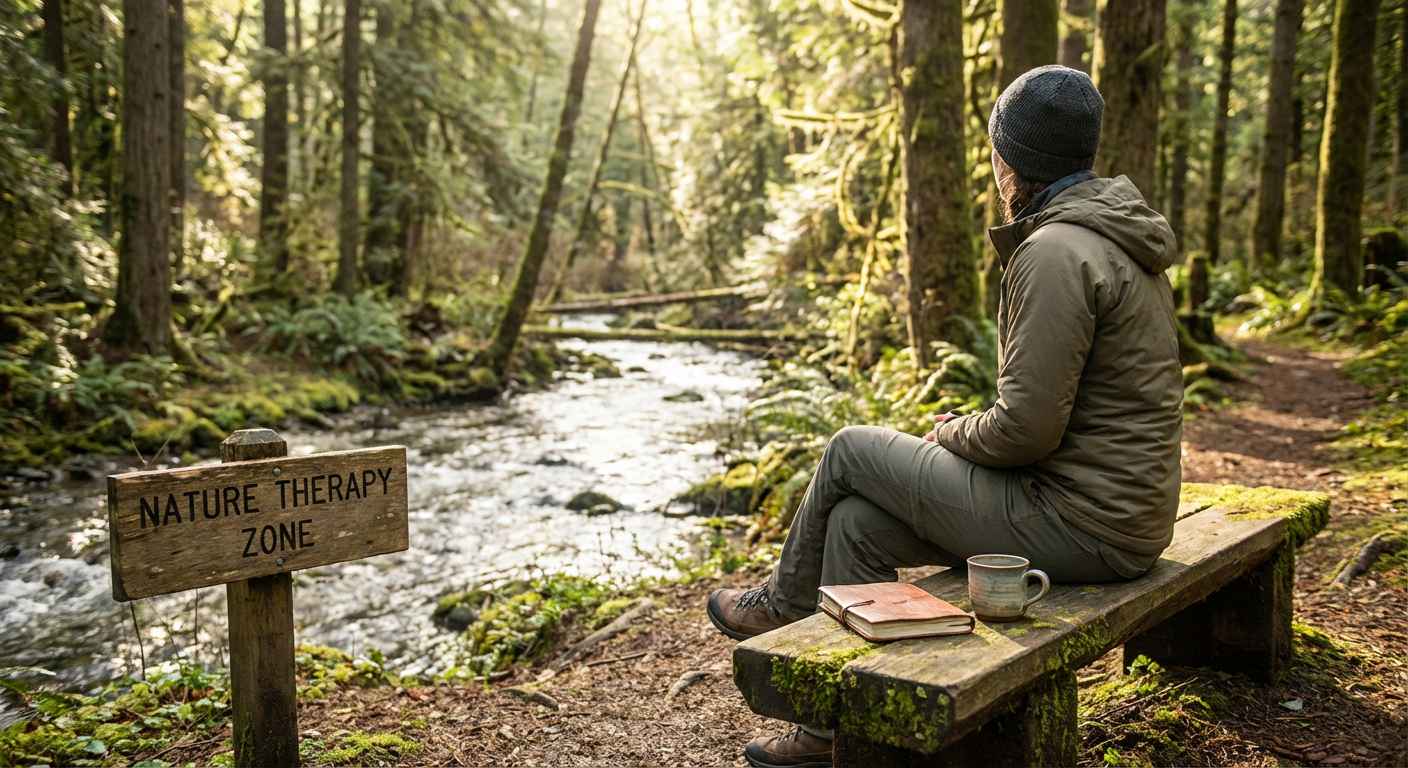 Spending time outdoors is one of the most underrated stress remedies available. Studies show that even brief exposure to natural environments can lower blood pressure, reduce cortisol levels, and improve mood. There’s something about being surrounded by trees, water, or open sky that helps put our problems in perspective.
The Japanese have a practice called shinrin-yoku, or forest bathing, which involves slowly walking through wooded areas and consciously taking in the atmosphere through all your senses. You’re not exercising or hiking with a destination in mind. You’re simply being present among the trees. Research on this practice has found measurable improvements in stress markers, immune function, and mental clarity.
You don’t need access to a pristine wilderness to benefit from nature. A local park, a tree-lined street, or even a garden can provide relief. The key is to actually pay attention to your surroundings rather than scrolling through your phone or mentally rehearsing your to-do list. Notice the quality of the light. Listen to bird songs or rustling leaves. Feel the temperature of the air on your skin.
If getting outside isn’t possible, bringing nature indoors helps too. Houseplants have been shown to reduce stress and improve air quality. Even looking at images of natural scenes can have a calming effect, though it’s not as powerful as the real thing. Try to spend at least a few minutes outside each day, even if it’s just stepping into your backyard or sitting on a balcony. Your nervous system will thank you.
- Deep Breathing Techniques
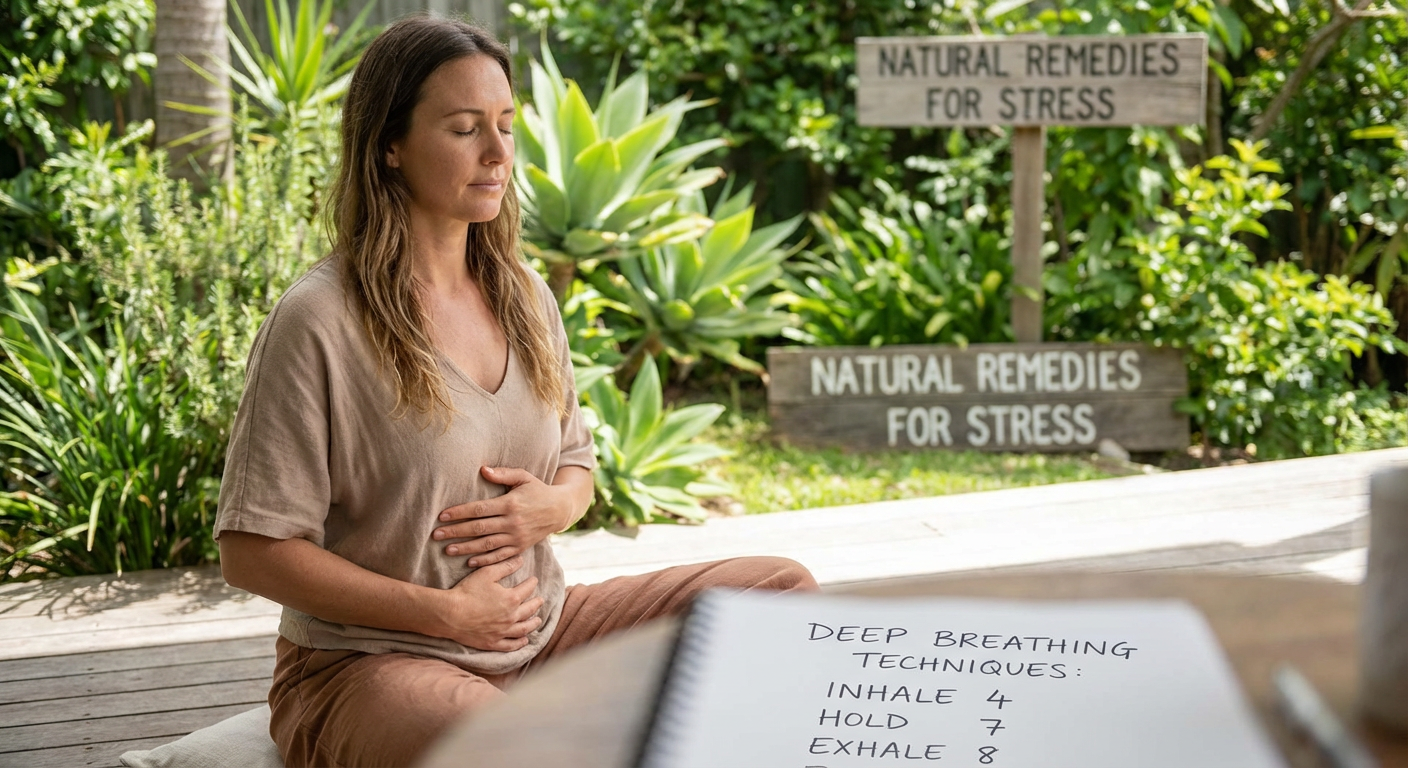 Your breath is a powerful tool for managing stress, and it’s always available to you. When you’re stressed, your breathing becomes shallow and rapid, which signals to your brain that you’re in danger. This creates a feedback loop that intensifies your stress response. By consciously slowing and deepening your breath, you can interrupt this cycle and activate your parasympathetic nervous system, which promotes relaxation.
One of the most effective techniques is called 4-7-8 breathing. Breathe in through your nose for a count of four, hold your breath for a count of seven, then exhale slowly through your mouth for a count of eight. Repeat this cycle four times. This pattern forces your body to slow down and sends a clear message to your nervous system that you’re safe.
Another simple approach is diaphragmatic breathing, also called belly breathing. Place one hand on your chest and one on your belly. Breathe in deeply through your nose, allowing your belly to rise while keeping your chest relatively still. This ensures you’re taking full, deep breaths that maximize oxygen intake and promote relaxation. Most of us breathe shallowly from our chests without realizing it, especially when stressed.
The advantage of breathing techniques is that you can use them anywhere, anytime. Stuck in traffic? Breathe. Waiting for a stressful meeting to start? Breathe. Can’t sleep because your mind is racing? Breathe. With practice, conscious breathing becomes a reliable tool you can reach for whenever stress starts to build. It costs nothing, has no side effects, and works remarkably well when you actually remember to use it.
- Quality Sleep and Rest
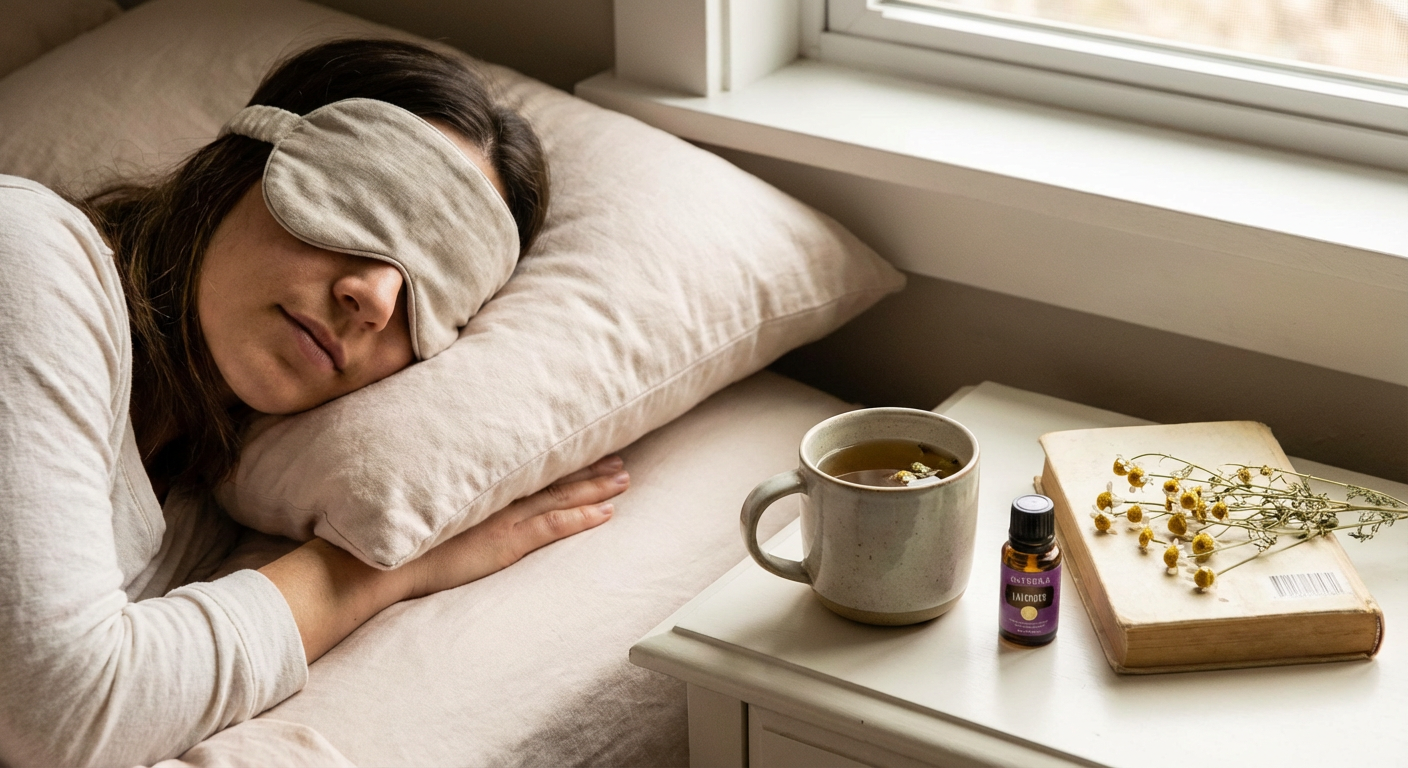 Sleep and stress have a complicated relationship. Stress makes it harder to sleep, and poor sleep makes you more vulnerable to stress. Breaking this cycle is crucial for managing stress naturally. When you’re well-rested, you have more emotional resilience, better problem-solving abilities, and a stronger capacity to handle whatever life throws at you.
Creating good sleep hygiene starts with consistency. Try to go to bed and wake up at the same time every day, even on weekends. Your body thrives on routine, and a regular sleep schedule helps regulate your circadian rhythm. Make your bedroom a sanctuary for rest. Keep it cool, dark, and quiet. Remove screens at least an hour before bed, as the blue light from devices interferes with melatonin production.
Many people find that a calming bedtime routine helps signal to their body that it’s time to wind down. This might include reading, gentle stretching, taking a warm bath, or listening to quiet music. Avoid stimulating activities, intense conversations, or anything that gets your mind racing right before bed.
If you can’t fall asleep within 20 minutes, get up and do something calming in low light until you feel drowsy. Lying in bed frustrated about not sleeping only creates anxiety around bedtime. Some people benefit from keeping a notepad by the bed to jot down any worries or tasks that pop up, which helps clear the mind.
Rest isn’t just about nighttime sleep either. Building in moments of genuine rest during your day, even just five-minute breaks where you do absolutely nothing, can help prevent stress from accumulating. We’ve become so accustomed to constant stimulation and productivity that we’ve forgotten how to simply rest. Relearning this skill is one of the most valuable things you can do for your stress levels and overall health.
Managing stress naturally isn’t about finding one magic solution that makes all your problems disappear. It’s about building a toolkit of practices that work together to support your mental and physical health. The remedies on this list, from herbal supplements to simple breathing exercises, give you multiple ways to respond when stress starts to build. Start with one or two approaches that appeal to you most, and gradually add others as they become habits. Remember that consistency matters more than perfection. Even small, regular actions can create significant changes in how you experience and handle stress. You deserve to feel calmer and more grounded, and these natural remedies can help you get there.