Home Blog Page 102

Japan’s Nikkei is rising, whereas Asia Pacific shares rise after the bounce on Wall Road

0

SINGAPORE – Asia Pacific stocks rose in trading Wednesday morning after rising overnight in the states where the Dow Jones Industrial Average rose more than 500 points.

In Japan, the Nikkei 225 led the region’s major markets as it rose 1.3% while the Topix index rose 1.42%.

Japan’s exports rose 48.6% year over year in June, according to data released by the country’s Treasury Department on Wednesday. That was more than a 46.2% increase expected by economists in a Reuters poll.

Mainland China stocks were also higher as the Shanghai Composite gained 0.75% while the Shenzhen stake rose 0.995%. Hong Kong’s Hang Seng index rose 0.19%.

Elsewhere, the S&P / ASX 200 in Australia rose 1.22%.

Australian retail sales fell by a seasonally adjusted 1.8% in June compared to the previous month, preliminary retail sales data from the country’s Bureau of Statistics showed on Wednesday.

Following this data release, the Australian dollar changed hands at $ 0.7319, still outside the over $ 0.742 level reached last week.

South Korea’s Kospi lagged behind, losing 0.17%.

MSCI’s broadest index for Asia Pacific stocks outside of Japan traded 0.37% higher.

CNBC Pro’s Stock Picks and Investment Trends:

Overnight in the US, the Dow Jones Industrial Average rose 549.95 points to 34,511.99. The S&P 500 was up 1.52% to 4,323.06 while the Nasdaq Composite was up 1.57% to 14,498.88.

Those gains were a comeback after Monday’s losses that saw the Dow tumble more than 700 points on fears that a Covid resurgence could slow economic recovery.

Currencies and oil

The US dollar index, which tracks the greenback versus a basket of its competitors, hit 93 after hitting above 93.1 recently.

The Japanese yen was trading at 109.88 per dollar, below the 109.5 levels seen against the greenback earlier in the week.

Oil prices were lower on the morning of Asian trading hours, with international benchmark Brent crude futures falling 0.4% to $ 69.07 a barrel. US crude oil futures fell 0.48% to $ 66.88 a barrel.

Feeding the geese is definitely unhealthy (and what to do as an alternative)

0

Image for the article titled The Duck Feeding Is Actually Bad

Photo: Everyonephoto Studio (Shutterstock)

Feeding the birds can be fun – the problem is that pond feeding ducks and geese is far more harmful than most of us think. Feeding food from your pantry to your local aquatic animals changes not only their diet, but the environment too. So we should just let the ducks get through on their own.

Why you shouldn’t mess with duck diets

Birds such as ducks and geese feed on a specific diet and naturally migrate to areas that meet their needs. The Virginia Wildlife Center explains how wild ducks and geese “eat grains and grasses, aquatic plants and invertebrates, all of which are naturally found in the wild”. There is no harm in feeding birds small amounts of ready-made food, but when everyone comes to the dock to feed the ducks it becomes an integral part of their diet and pretty harmful to health.

Malnutrition leads to metabolic bone disease (MBD) and “Birds with MBD have incredibly soft bones and joints that are often misshapen and broken,” explains the Wildlife Center of Virginia. To keep the birds healthy and safe, let them find food as usual.

How duck feeding harms the environment

Aside from the health problems that processed human food presents to wild birds, it can also disrupt the ecosystem as birds flock to places in greater numbers than usual where they know they are getting the stuff you are giving away. This results in overcrowding, which also affects the terrain and migration patterns. Birds that know they are getting food will stay longer than they should and will jeopardize their own survival.

G / O Media can receive a commission

The New York Department of Environmental Conservation reports, “30 swans died of starvation in an artificial feeding place in the hard winter of 93/94. In the meantime, over 800 swans survived in the vicinity on natural food. ”The birds not only stay and cannot survive the winter, but also this behavior and the genetic defects passed on to their descendants.

What to do instead of feeding the birds

Some suggest Feeding duck and goose food that is more similar to their natural diet – for example, lettuce greens, vegetable peels and nuts. They recommend cutting them into smaller bites that the animals can easily eat and digest. But in the end, it’s best to spot ducks, geese, and other wildlife as they normally do in nature. Take up bird watching and let them forage for their own food so they can live healthy and natural lives.

Easy methods to Repair (and Stop) the Newest ChromeOS Errors

0

Image for the article titled How to Fix (and Prevent) the Latest ChromeOS Errors

Chrome OS users have reported a fatal bug in the latest system update that is locking them from their Chromebooks. For some reason, Chrome OS doesn’t recognize users’ Google Account passwords when they try to sign in after installing version update 91.0.4462.165. The botched update can also cause other fatal errors like boot loops.

According to 9to5Google, Update 91.0.4462.165 seems to be no longer available and Google is working on a patch to fix the bugs it caused, which hopefully will be released soon. However, to avoid these issues, do not download or install any new Chrome OS updates until it has been confirmed that the new patches from Google are working properly. If the update is already downloaded but not yet installed, do not restart your device.

If you’ve already installed Chrome OS version 91.0.4462.165 and you’re encountering the unknown password error, you’ll have to wait for the new update to appear, but once it’s available you should be able to safely sign back in. Fortunately, you can sign in to your Chromebook as a guest and download update files even if the primary user account isn’t working.

How to install Chrome OS updates in guest mode

  1. On the Chromebook login screen, click “Browse as a guest.”
  2. When you’re in, go to Settings> About Chrome OS.
  3. click “Check for updates.”
  4. The update starts automatically when a patch is available.

You can still use your Chromebook as a guest while you wait for the patch to arrive. This is not a good long-term solution because you will not be able to perform certain administrator-level tasks and all guest account information – including browsing history and downloaded files – will be deleted when you exit guest mode. That said, it’s better than using your Chromebook as a paperweight while Google works to fix this round of Chrome OS errors.

G / O Media can receive a commission

However, you can also do a factory reset to instantly regain full access to your Google account on your Chromebook. This will delete all files and apps stored on your device, remove your Google accounts, and restore the system default settings. We don’t recommend a factory reset unless you absolutely need to immediately restore access to the Google Account on your Chromebook.

Here’s how to factory reset a Chromebook

  1. On the login screen, tap and hold the Ctrl + Alt + Shift + R keys.
  2. click “Restart.”
  3. Choose “Powerwash.”
  4. click “Keep going.”
  5. Wait while the reset process takes place and follow any on-screen instructions as they appear.
  6. Sign in to your Google Account when prompted.

Use the recovery utility to restore Chromebooks that are stuck in a boot loop

Unfortunately, none of these workarounds apply to users experiencing a boot loop. Instead, you’ll need a USB ChromeOS recovery media with a separate Chromebook or PC, a USB stick, and the Chromebook recovery utility. Download the utility, follow the instructions, and then connect it to the affected Chromebook to reinstall Chrome OS. This will erase your device like a factory reset. However, this is your only option if you want to get the Chromebook back to working.

[Android Central]

Here is your first have a look at Jason Biggs’ Money at Your Door

0

Knock Knock!

The series premiere of Jason BiggsThe hilarious Jason Biggs’ Cash at Your Door game show officially kicks off Tuesday, August 31st at 11pm, right after the return of Season Two Celebrity Game Face hosted by Kevin Hart, and E! News can exclusively reveal the first-look promo above.

Biggs has partnered with the producers of Cash Cab to host and produce Cash At Your Door, and surprise unsuspecting families with the chance to win big cash prizes from the comfort of their homes.

Over the course of three rounds of quizzes, families must work together to answer various quiz questions for a chance at $ 25,000. Even a few celebrity guests like former MLB All-Star CC Sabathiawho have favourited Real New Jersey Housewives Dolores Catania and New York’s Million Dollar Listing Ryan Serhant will stop by to help attendees.

“You might want to answer the door,” jokes a wallet-wielding Biggs in the teaser trailer.

Violation of guidelines in bars in Holland is an issue because the covid fee will increase

0

Students cheer on a terrace of a cafe in Amsterdam on June 25, 2021 as the Netherlands eased Covid-19 restrictions.

PAUL BERGEN | AFP | Getty Images

Breaking rules in cafes and bars in the Netherlands is an ongoing problem the hospitality industry has to grapple with, the country’s prime minister said as the nation grapples with a surge in Covid-19 infections.

On Monday, Dutch Prime Minister Mark Rutte pleaded with the industry to get customers to abide by social distancing rules and sit in their assigned seats, adding that it was critical given the high number of infections.

“With regard to the hospitality industry, we would like to point out that things are going well in many places, but not in too many places and it is extremely important,” said Rutte at a short press conference on Monday afternoon.

Rutte said police cannot monitor tens of thousands of bars, cafes and restaurants in the Netherlands to make sure they are complying with social distancing and customer seating rules. “So we really have to do this together,” he said. “With the current infection figures, we don’t want to have to take any additional measures,” he added.

Not enough social distancing

Rutte’s comments come as the Netherlands scrambles to curb an increase in Covid infections, mainly among younger people. Amid optimism about their vaccination program, the Dutch government announced in late June that most restrictions, with the exception of the 1.5 meter social distancing rule, would be lifted and nightclubs would be allowed to reopen.

The number of cases soon skyrocketed, however, to around 10,000 cases on July 10 in just one week, prompting the government to turn around and apologize to Rutte for lifting the restrictions too early.

The government admitted that “the rate of coronavirus infection in the Netherlands has increased much faster than expected since the society was almost completely reopened on June 26”.

“Most of the infections have occurred in nightclubs and parties with many people,” it said when nightclubs had to close on July 10th.

While bars, restaurants and cafes are allowed to stay open and are 100% occupied, strict rules apply.

People must be assigned seats and be kept 1.5 meters apart when seated indoors, unless hygiene screens are placed between the tables. No social distancing is required for field work. Entertainment, including live performances and television screens, is not permitted and no loud music may be played as stated in government regulations. The venues must close at midnight.

Coen Berends, a spokesman for the Dutch National Institute for Public Health and the Environment, told CNBC on Tuesday that it was “impossible to calculate the impact of this“ rule break ”in bars, cafes and restaurants.

“In general, we model the effects of the rules applied and we can also model the effects of the absence of rules. These models predict the effect of an entire package of measures, but cannot differentiate between different rules or non-compliance.Generally, our Management Outbreak Team advises on the rules of social distancing and sitting in assigned seats in bars and restaurants in order to prevent the spread of the virus to diminish. Disregarding these rules can definitely have repercussions. Especially with the now dominant Delta variant of the virus, ”he said.

“However, we do not know the extent of this effect. It will certainly not have the massive effect that the opening of clubs and the organization of large events had a few weeks ago. We are now seeing the numbers of positive tests stabilize. The latest actions by our government appear to be working. We still have to see how this works out [the] Hospital stays, “remarked Berends.

Infections are in full swing

The Netherlands is certainly still in a difficult position with Covid infections, is just below Great Britain with the high infection rate in Europe, but further behind when it comes to vaccinations. In the UK, 68.5% of adults are fully vaccinated and in the Netherlands it is just over 50%, according to the latest available data.

On Monday, Jaap van Dissel, chairman of the government’s outbreak management team and director of the Center for Infectious Disease Control, warned that the number of reports of Covid-positive people had increased over the past seven calendar days (measured from July 9th to 15th) is up 298% compared to the past seven days.

“Since the easing of measures on June 26, the number of infections among 18 to 29-year-olds has risen sharply,” said van Dissel in an open letter to the country’s director-general for public health. He said it was too early to say what the impact of tightening the measures would be.

On Monday, Health Minister Hugo de Jonge expressed the hope that the cases will stabilize and decline. Speaking to Rutte on Monday, de Jonge said that “in the last week… the number of positive test results has stabilized and that means that growth will not continue. I think that’s positive. ”

“At the same time we have to say: The number of positive test results at this level of around 10,000 per day in the past week is of course too high and that must of course be reduced.”

He said the country must work hard to reduce the number of infections, reiterating Rutte’s call for the 1.5 meter social distancing rule to be adhered to “in the hospitality industry, on the street and even at home when we are Receive guests. … really need this 1.5 meters for the time being to ensure that we keep this epidemic under control. “

Trump pal Tom Barrack arrested for lobbying within the UAE

0

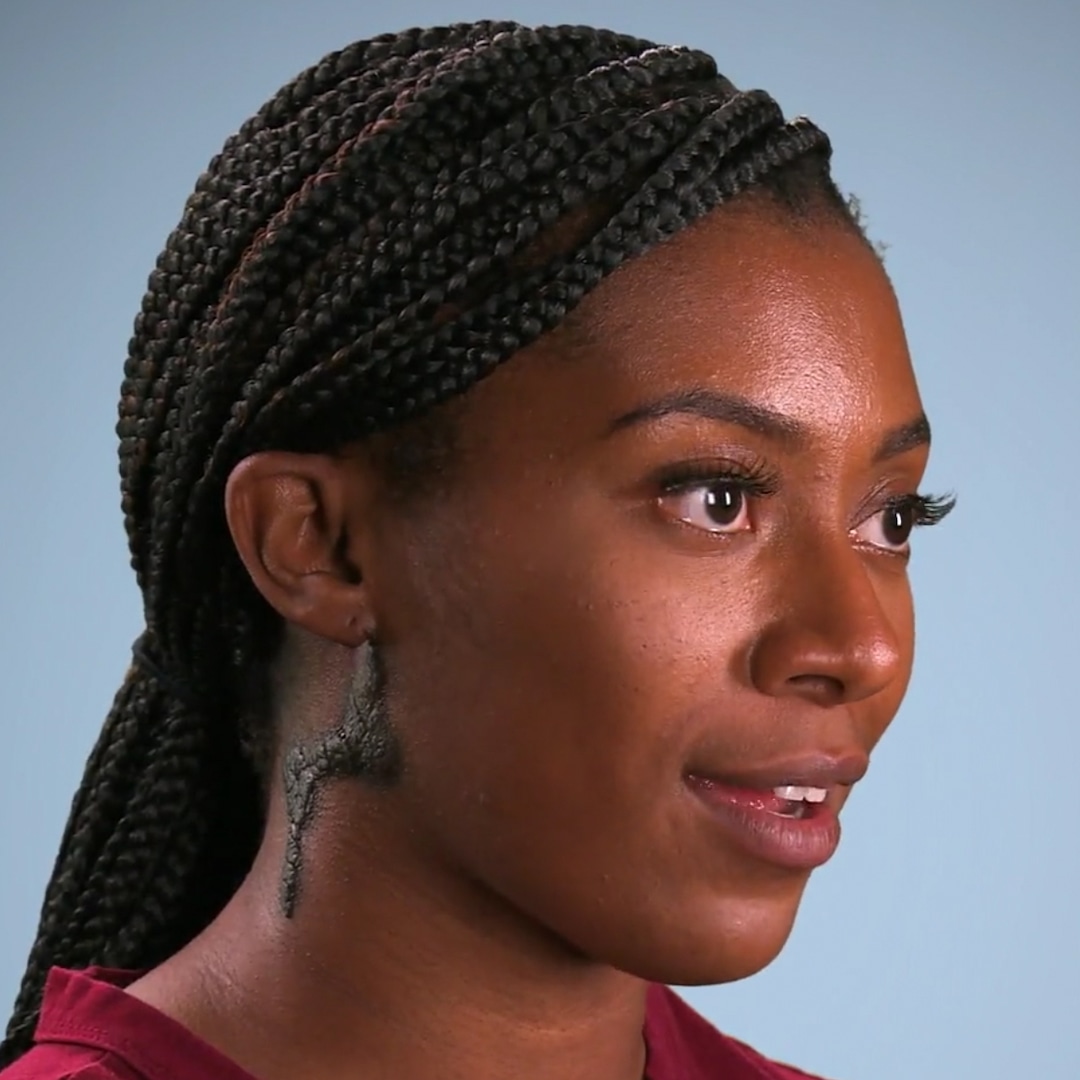
Thomas Barrack, Chairman and Chief Executive Officer of Colony Capital Inc., gestures during the closing reception at the Milken Institute Japan Symposium in Tokyo, Japan on Monday, March 25, 2019. The conference brings together business leaders and government officials to discuss geopolitical, economic and social problems faced by Japan. Photographer: Kiyoshi Ota / Bloomberg via Getty Images

Bloomberg | Bloomberg | Getty Images

Thomas Barrack, a private equity investor who is a close friend of former President Donald Trump, was arrested Tuesday morning on federal charges related to illegal lobbying against Trump for the United Arab Emirates, the Justice Department said.

Barrack, who was charged on a seven-stage indictment in New York federal court, served as chairman of Trump’s 2017 charter fund.

Barrack, 74, is a longtime friend of Trump and the founder of large private equity firm Colony Capital.

Barrack stepped down as CEO of Colony Capital in 2020. In April he stepped down as Executive Chairman of the company.

A Trump spokeswoman did not immediately respond to CNBC’s request to comment on the arrest.

A Barrack spokesman was not immediately available for comment.

This is the latest news. Please check again for updates.

The right way to have deeper conversations with Ximena Vengoechea

0

Image for the article titled How to Have Deeper Conversations with Ximena Vengoechea

Photo: Micaela Heck / Angelica Alzona

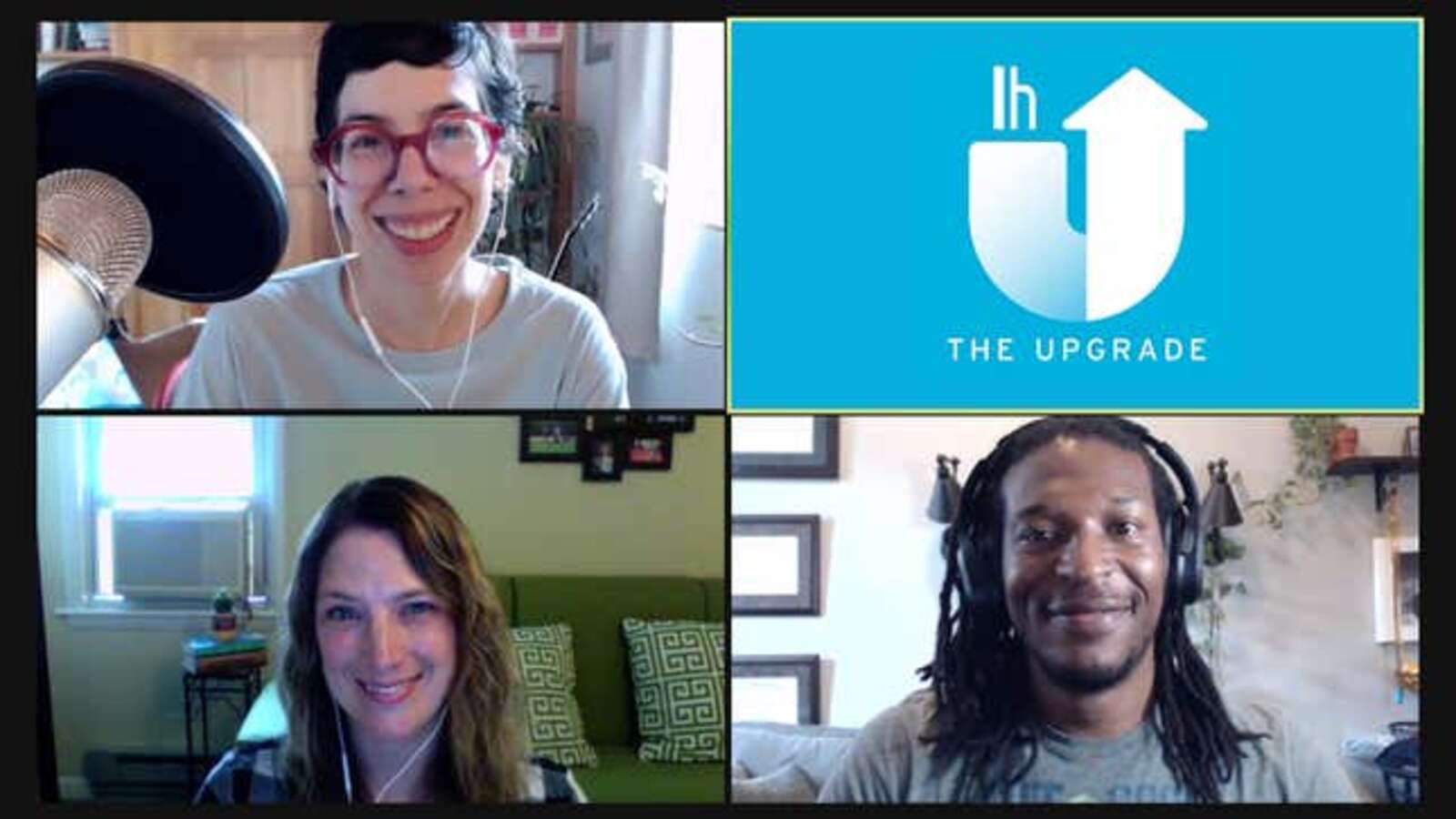
Many of us have spent a lot of time in isolation during the pandemic, so this week we’re relearning the art of deep conversation with the help of user researcher and author Ximena Vengoechea.

Ximena honed her listening skills while doing user research for companies like LinkedIn, Twitter, and Pinterest, and now shares it in her new book. Listen like you mean it: Recovering the lost art of true connection. Hear Ximena share some brilliant tips on how to ask the right questions to encourage a more interesting conversation, be a more open-minded and empathetic listener, and how to end a conversation gracefully when necessary.

Listen to The Upgrade above or find us in all the common places that serve podcasts, including Apple Podcasts, Google play, Spotify, I was listening to the radio, and stapler.

Highlights from this week’s episode

From the Ximena Vengoechea interview

What a good listening mindset actually looks like:

I’m talking about a listening mindset that has three core components. That brings qualities like humility, curiosity and empathy. And humility really means coming in with an open mind and being ready to hear what someone has to say, being willing to learn from them what is different than coming in … with assumptions or preconceived notions or opinions, that we want to convey. So it really means to flip the switch and say, “I am here to learn from you” instead of “I am here to teach you”. And it is curiosity that lets you go deeper, because that’s how you really get to know and understand another person. What’s your perspective? Why do you think these things? … and then it’s almost like a funnel. You start broadly with humility and start openly and you gradually get a little deeper with curiosity. And at some point you come across empathy, which in my opinion is the third quality of the listening mentality that really makes it possible to really get to know someone because they are talking about emotions and their emotional experiences. And that doesn’t mean we have to share the exact situation someone is going through in order to empathize with them. If someone is going through a divorce, you’ve never seen it before, that’s fine. But you can empathize with the feeling, oh, wow, you are mourning the end of your life.

G / O Media can receive a commission

How to ask the right questions in a conversation:

[A] In conversations, we often don’t really pay attention to the kinds of questions we’re asking. And so we can inadvertently ask questions that don’t really help the conversation. Questions that can end with a yes or no result in a yes or no answer or a single word answer. And these begin with “do”, “is” and “are”, as opposed to more open questions that begin with “how” or “what”. So even to ask someone, ‘Are you mad at me?’ Will produce a very different reaction than “Hey, how are you feeling right now?” One of them leads someone down a certain path and the other just leaves them very open. So in general, at least at the beginning of the conversation, we want to try to ask more open-ended questions so that we can guide the other person, you know where they want to go.

When you remember the other person’s needs in conversation:

So we could aim to get to know someone or learn something about someone. And these questions can be used to accomplish that goal. But we also need to keep track of what is happening for the other person. Are they starting to offer smaller and smaller answers? Are they running out of breath because we keep asking them questions and they somehow give us sales answers? I think paying attention to these clues can be a sign for us to maybe sit back a little or offer something from our own perspective. I think it’s important in a conversation. There are two sides. There is the listening page. There is a speaking side. They want there to be give and take. And the other thing I can say can especially help with that instinct to figure out what the other person needs in this conversation. Because if we ask all of the questions, it probably comes from our own need … we want them to be comfortable. We want to get to know them to a certain extent. But the other also has a need. So you really want to make room for both needs in conversation. And that needs a bit of balance.

To learn more of Ximena’s advice on the art of deeper conversation, we encourage you to listen to the full episode.

Episode transcript

Are junk automobiles definitely worth the cash? – Information anyway

0

Post views: 95

If you are in dire need of a car and don’t have the budget to buy a new one, salvage title cars can prove to be good affordable options. Some rescue vehicles can seem irresistible, such as, you can get a Mercedes-Benz S-Class for the price of a used Hyundai Sonata! However, buying and maintaining a junk car is not really straightforward. So are junk cars worth the money? Shouldn’t you buy them at all? We’ll help you find out.

What is a junk car?

Well, a junk car is not irreparable, but if a car is involved in an accident and the cost of repair is more than the value of the car, the car is considered a total loss. When such total write-off cars are repaired and repaired and put back for sale, they deserve the salvage title. A salvage car must never be involved in an accident and some states even award the salvage title to cars that have been damaged in floods or fires.

Dig up some information about the car

The first and very important step is to find out about the history of the car. Things like how was the car damaged, what was the damage, and what agency rebuilt the car. The extent of accident damage can vary from car to car and there are certain parts in a car, such as bent frames, that cannot be repaired. If the car has such problems, stay away from it as buying a car with a curved frame is as good as a compromise on safety and it is not at all advisable.

In addition, it can sometimes be extremely difficult to find faults on cars that have been totaled as a result of floods or fire. As a result, even if the car hit by natural disasters is rebuilt, no one can guarantee that all problems with the car have been identified and corrected.

Hence, it is recommended that you get a detailed history report from agencies like Carfax or AutoCheck, even if it does require a few extra dollars. You can also hire a smart independent mechanic to check the car and learn everything that has been tinkered with the car.

Check the transaction details

Verifying purchase details is another important aspect of purchasing a junk car. Get all the details of the car’s insurance, warranty, and registration and study them carefully. Insurance companies are somewhat concerned about insuring salvaged cars and their occupants because their reliability and safety quotient are unpredictable. Insurance schemes for such cars vary from company to company and from state to state, and you must read the insurance terms and conditions before purchasing.

The approval process for rescue vehicles is also cumbersome. Some states require a police car inspection, where police officers test the car themselves before it can be registered and allowed to drive. In some states, the registration process requires workshop certification.

Warranty is also a big issue when buying a junk car. Many dealerships do not offer a warranty on the car, and while some do, they may require you to pay extra for the warranty package. We recommend that you obtain warranty coverage or find third-party warranty coverage.

Get the finances right

While there are some companies that finance junk cars, we are not going to recommend that you take out a loan to buy a junk car. Recovery vehicles do not have a Blue Book value and it is more difficult to declare the value of your vehicle to the financier than it is for a used or new vehicle. Since the life and reliability of a titled car is a question mark, lenders typically charge high interest rates and offer very short repayment periods.

In addition, most new or even used car dealerships do not accept used cars as trade-ins and you will have to get rid of the car yourself. So if you have plans to trade the junk car for a new or used one, maybe you should just step back and think twice. With all of these factors in mind, borrowing a titled car is never a wise move.

Also, pay attention to how much you end up spending. While you may be tempted by the dead cheap price of some new, salvaged luxury and performance cars that range from $ 20,000 to $ 30,000, these used vehicles are sure to come up with a few bits and bobs during your ownership time, and you will end up getting plenty for them spend expensive repairs.

Avoid such purchases as they will leave a bigger hole in your pocket. Instead, buy an older car, which is usually cheaper, and even if you have to spend a little more on repairs, you won’t regret it. So always compare the price of the car with the cost of repair before making a purchase.

Summarize things …

The cars we drive today are nothing short of technical marvels. Since automakers invest heavily in making these cars safe and efficient, it is extremely difficult to repair these cars after they have been damaged enough to have to be declared a total write-off. One of the best ways for resellers to make a profit on these types of cars is to get those cars up and running for as little money as possible. If these cars are repaired now cheaply, the car’s safety and reliability factors are literally lost. Even if the car receives new and refreshed safety modules, you cannot ensure that they are working properly and safely. This is the largest area of ​​concern in recovery vehicles.

Yes, you end up spending a lot of money on used and new cars, but then you end up making big compromises on safety. And we don’t think it’s worth the compromise. Yes, it is not always true that salvage cars are unsafe or unreliable and you can find some good cars, but the chances of that are slim.

For example, automobiles damaged in a disaster such as hailstorms have bodywork damage while the engine and essential mechanical parts are in like new condition and require little or no repairs. Also, cars salvaged from robberies are sometimes given the salvage title and may not show any form of damage. But you have to be really lucky to find such junk cars, or you have to do a thorough search of the junk market to get one of them.

Also, if the junk car is going to be your only and primary car, we recommend that you change your plans as you will surely have trouble with it. Buying a junk car can be a great alternative for anyone looking for a project car and wanting to play around with fixing it. It might even be a great option for someone looking for a second car that they rarely use and only keep in their vacation home.

Khloe Kardashian talks about her daughter being raised a real white mom

0

Not exposing your children to the reality of the race would be a disservice, according to Khloe. “Even if you live in a bubble, whoever you are, I think it can be really upsetting, then when your kids are released they’ll either be so devastated, hurt, traumatized, confused, overwhelmed,” she said said. “I think it is our duty as parents to really expose them while having their parents’ safety to communicate with them and still guide and help them instead of just letting them out into the free world and now they say: Wait, that’s not that – I didn’t hear about it, I had no idea what real life is like. “

Another challenge awaits Khloe raising her daughter. “Something I already know I’ll have problems is let them make their own mistakes,” she said. “This is how we all learn in life.”

As she put it, “I know that being a mom is a never-ending journey. It’s not just when you’re 18 and you forget about her … You are always her mom.”

The advantages and dangers of lucid dreaming

0

Image for article titled The Benefits and Risks of Lucid Dreaming

Photo: HandintheBoxinc (Shutterstock)

If you’ve ever thought about using lucid dreaming to harness the power of your sleeping brain, you are not alone. The first step for aspiring Oneironauts is to let your mind know that your dreams matter. As part of Lifehacker’s Workshop for lucid dreams, here is some background on the risks and benefits of lucid dreaming and what exactly is happening to your brain while it is happening.

What are the benefits of lucid dreaming?

Why bother with lucid dreams at all? First and foremost, lucid dreaming is fun. Like, really fun. My first lucid dream happened when I was a teenager. I had just started reading a book about lucid dreaming, and on family vacation, beginner’s luck met me in a hotel room:

I spoke to a dream friend – who wasn’t real, but was compelling in my dream state – while standing on my high school football field. While we were talking, an eye-opening realization occurred to me: I’m traveling with my family right now, so how could I be at school? Suddenly everything stopped and became more alive. The grass felt real, the sun on my skin warmed me and I became very aware that I didn’t know the person I was talking to. “Am I dreaming?” I asked myself allowed. “If I dream, then I can fly.” I felt my feet leave the ground and I hovered gently over the dream friend. “I can fly. I can go anywhere!” I thought as the amusement of the flight drove me higher and higher. Soon I was in the clouds planning to see the world from the comfort of my bed.

The dream didn’t last long as I couldn’t maintain my clarity, but I woke up ecstatically. It was the most fun sleep I’d ever had and I couldn’t wait to do it again.

But lucid dreams can offer other opportunities too if you are willing to do the legwork. Your dreams can be a sanctuary for personal reflection and deep meditation; a place to chat with your real self and ponder big decisions without the distractions of the waking world. Dreams can also be a place to practice real activities. Think of the dream world as a mental rehearsal roomwhere you can go through your big presentation for work, focus on your exercise routines, or even get on with your studies before a big exam.

G / O Media can receive a commission

If you are a creative type, lucid dreams can be an endless source of artistic inspiration. The dream world is your canvas and you can create anything in it. After all, dreams are a safe place to experiment and overcome fears. You can stand up against a bully, practice socializing, have the courage to ask your boss for a raise, or overcome your fear of public speaking.

What are the risks of lucid dreaming?

Lucid dreaming is generally safe for those who are mentally stable, but it is important to discuss some of the potential risks associated with the practice.

Sleep paralysis occurs in almost everyone at night during the REM cycle – to keep you from physically living out your dreams – however some people experience a state between dreaming and waking when trying lucid dreaming. This can be scary as you cannot move, aware that you are awake, but you may still be hallucinating from your dream. This type of sleep paralysis is uncommon, but it is definitely possible by experimenting with lucid dreams. Fortunately, there are ways to either wake yourself up from this state or achieve a full sleep / dream state, but we’ll cover these later.

One of the best advantages of lucid dreaming can also be one of its worst pitfalls: realistic feelings. The lucid dream state can offer euphoric feelings of sight, movement, happiness, and even sex, but that means feelings on the other side of the spectrum can also occur. Fear, sadness and pain are also possible in a lucid dream. However, such negative feelings occur even more frequently in the waking state, since, unlike in the dream state, you have less control over the world. And no, you don’t die in real life if you die in a dream. Trust me, I have died many times in my dreams.

There is also the possibility of “dream claustrophobia”, in which people in a dream scenario become clear that they cannot manipulate or from which they cannot awaken. But these aren’t that different from normal dreams – they’re just more alive. And finally, some fear it Using lucid dreams as a form of escapism will push them out of contact with reality. After all, why would you want to spend time in the normal world when you can be in your own personal world where you have unimaginable power? Well, lucid dreams only last as long as your REM cycles happen while you sleep, and training to be clear at any point in time you choose takes years of training. In short, your dream escapism sessions are no more damaging than watching a movie or playing a video game – except, perhaps, a little more enlightening.

However, if any of these slight risks startle you, lucid dreaming may not be for you. Likewise, if you have borderline personality disorder, or some other mental disorder that makes it difficult for you to know what is real and what is not, sleep better the old-fashioned way: lucid dreaming can leave you with dream-reality confusion and make your condition worse.

But while these scenarios are a very real possibility, they are all still unlikely events for those in relatively sane states of mind who work their way up to lucid dreams with gradual, conscious practice. Lucid dreams are very similar to a swimming pool; It’s a place to fight and drown, but once you learn to swim there is nothing to worry about and you will have a lot of fun splashing around.

Start and keep a dream journal

Learning how to wake up in your dreams doesn’t matter until you can develop your dream memory. You must learn to stand before you can walk. In fact, you may have had a lucid dream but you don’t know it because you don’t remember it happened.

Your brain usually tries to automatically forget your dreams. It knows that these experiences are not real and tries to push them into the background when they wake up to make room for immediate memories from the waking world. But there is an easy way to disrupt this: a dream journal. Always keep your pen and pad by your bed. It should be easy to pick up and use right away. Don’t put it in your bedside drawer, throw it under your bed, or use a writing tool that requires a lot of force (fancy pens, quills, etc.). You have to be able to grasp, grasp, and write.

Also, do not use your phone to do this. The act of writing down like taking notes in class, will only help you keep the dream in mind. Or if you have artistic skills and can make use of them, that’s even better.

To sleep well –worth at least seven hours– is also of great help with this exercise, as well as during your excursion into lucid dreaming. Without consistent, restful sleep, lucid dreaming is almost impossible. You won’t get stronger if you spend less time in the gym.

Additionally, don’t keep your alarm clock too far from the bed. You have few precious moments to memorize your dream when you wake up and chasing an alarm clock will waste that window of time. If possible, go to bed early and try to wake up without an alarm clock. When you wake up, take a few seconds to go over what you just went through, then grab your journal and write it down as soon as possible. Do this as often as possible and your brain will gradually reconfigure its normal wake-up protocol to meet your newly declared storage needs.

“Oh, did you want to hold onto that?” Your brain will tell when you wake from a wonderful dream and you will open your dream diary with a resounding “Hell yeah!” Okay, Oneironauts: sleep well and keep dreaming.

This story was originally published in June 2017 and was updated on July 20, 2021 to comply with Lifehacker style guidelines.

POPULAR POSTS