Home Blog Page 386

What It Means to Be Immunocompromised, and Why It Issues

0
What It Means to Be Immunocompromised, and Why It Issues

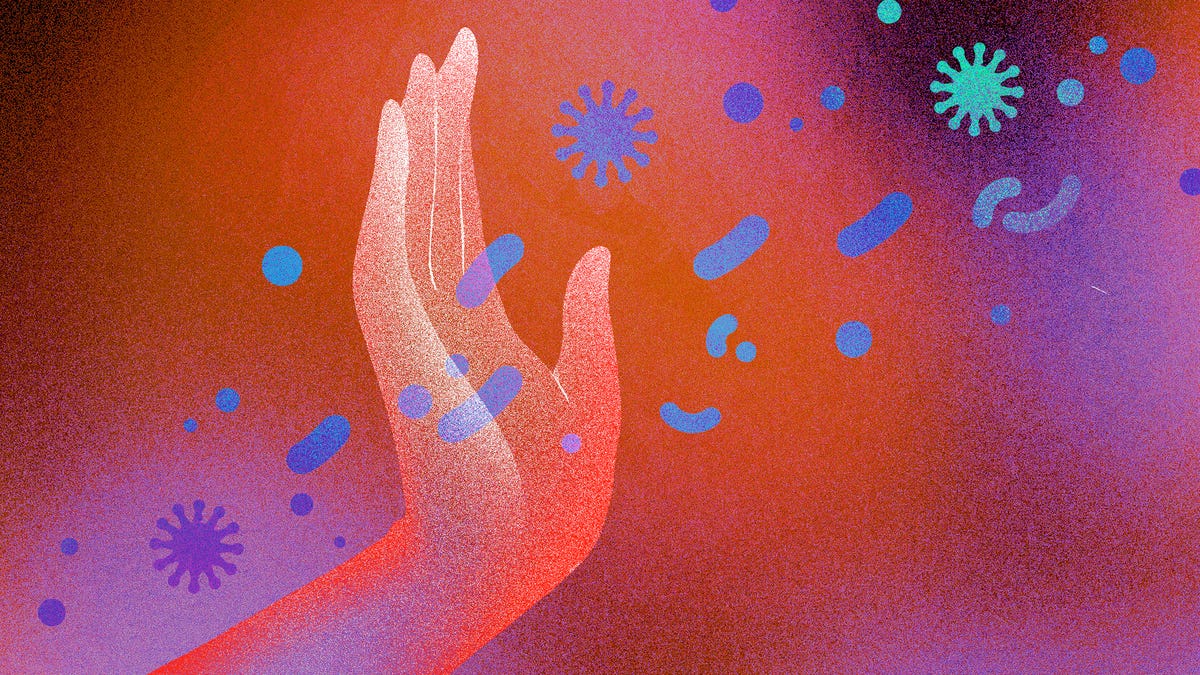
You may not realize it, but you probably know at least one person who is immunocompromised. Immunocompromised, or immunosuppressed, people are more vulnerable to infections and have a harder time fighting them off. You wouldn’t necessarily know it from looking at us, however.

Many health conditions and medications can cause someone to become immunocompromised. Perhaps you know one of the nearly 35 million Americans with diabetes, or one of the approximately 17 million Americans currently living with cancer (who are likely immunocompromised even if they are not currently undergoing treatment).

Or maybe you know an older person. Approximately 50 million Americans are over 65, and many are immunocompromised to some degree.

What it feels like to be immunocompromised

As one of the 25-50 million Americans living with an autoimmune disease, I’m immunocompromised because I take immune-suppressing medication to treat my symptoms.

Most of the time, however, immunosuppression is an invisible disability whose symptoms are similar to everyday stress: fatigue, sniffles, and gut issues. I’ve only been hospitalized a few times in my life as a result of immunosuppression, but I’m pretty sure that it helps explain why I tire easily and usually need a lot more sleep than my friends and colleagues.

In a society like ours that celebrates high levels of productivity, those of us who are immunocompromised can find ourselves at a disadvantage. If a colleague comes to work sick, we’re more likely to catch what they have. If we do catch it, we’re often out of work for longer. If we need more time than our colleagues to finish projects, we can be deemed lazy or unproductive even if we’re pushing ourselves to our max. I’m lucky to have a job I can do from home. However, many workers – especially low-wage essential workers – could lose their jobs if they don’t show up, or if they can’t keep up with the pace of production. It’s also easy to feel inadequate or like a burden when you can’t keep up – and it’s hard to ask for leeway when you often don’t look or act sick. And COVID-19 has taken the ever present level of risk immunocompromised people face to a whole new level.

Illustration for article titled What It Means to Be Immunocompromised, and Why It Matters

There are other frustrations. Dating has never been easy for me, as I find myself asking if the physical intimacy is worth the risk of getting sick. I loved to travel solo before the pandemic, and I was extremely lucky to have one of the worst infections of my life while staying with friends and not stuck in an Airbnb. That said, a lot of the time, I feel just fine. Many of my friends with healthy immune systems (as far as they know) seem to get sick more often than I do – perhaps because I’ve always been diligent about avoiding infections.

Immunosuppression presents in different ways in different people, so my experiences are not universal. Some immunocompromised people are far sicker than me, and some far less. As the pandemic has revealed, however, immunosuppression can be a dangerous and, at times, debilitating condition that has not received enough attention, given how many Americans likely have some form of it. You might even be immunocompromised and not know it yet. Understanding how people become immunocompromised can help us better protect ourselves and each other from dangerous infections and create safer spaces for everyone.

How people become immunocompromised

The components of the immune system work together to accomplish two primary goals. First, they identify any foreign substances, known as antigens, that enter our body, from bacteria and viruses to splinters and other foreign objects. (In medical parlance, these substances are considered “nonself.”) Next, they eliminate or neutralize any antigens judged to be potentially harmful.

The immune system is complex and involves many parts of our bodies, from the skin that provides a barrier against the outside world, to the bone marrow, lymph nodes, and other organs where our immune cells are found. (Fun fact: more than half of our immune cells are located in our gut.)

Illustration for article titled What It Means to Be Immunocompromised, and Why It Matters

People can become immunosuppressed as a result of medical conditions, or as a result of medications that they need to take, or a combination. (More about that in a minute.) Then, as we age, our immune system slows down. Immune cells become less skilled at distinguishing self from nonself, so autoimmune disorders become more common. Many cells and antibodies respond more slowly, enabling infections to enter and spread through the body more easily. Also, the body stops producing new B and T cells, so there are fewer cells to respond to new antigens.

When combined with other common conditions associated with old age like high blood pressure, heart disease, type-2 diabetes, and chronic kidney disease, it’s little wonder that older people are at such a high risk of having severe cases of COVID-19. (Incidentally, immune system changes may also be part of the explanation for why pregnant women are at higher risk of severe illness if they get COVID-19, though the science isn’t definitive.)

Medical conditions can cause a weakened immune system

HIV/AIDS is probably the most well-known condition linked to immune deficiency. It’s far from the only one, however.

Immunologists divide these immune deficiency disorders into primary and secondary types, depending on whether the cause is genetic or environmental.

Probably the most well known primary immune deficiency is severe combined immunodeficiency (SCID), thanks to the life of David Vetter, more commonly known as “the boy in the bubble.” Born with SCID in 1971, he grew up in a plastic sterile chamber that he only left a handful of times in a specially-designed suit made by NASA. David died of infection at the age of twelve in 1984; the bone marrow he received from his sister unknowingly contained the Epstein-Barr virus, which gave him lymphoma. Today, thanks to stem cell treatments, the survival rate for SCID is 94 percent if caught within the first four months of a newborn’s life.

Secondary immune deficiency disorders are far more common – affecting millions rather than hundreds of thousands – and have a variety of potential causes. Besides infections like HIV that destroy immune cells, they also can also be triggered by diabetes, trauma, radiation, and malnutrition. Of these, malnutrition is by far the most common worldwide.

immunosuppression can be a dangerous and, at times, debilitating condition that has not received enough attention, given how many Americans likely have some form of it.

And then there are autoimmune diseases, which affect somewhere between 24 million to 50 million Americans. Autoimmune diseases are illnesses in which the immune system erroneously attacks healthy cells in the body, causing inflammation. Symptoms vary widely depending on the type of illness and where the inflammation occurs.

Lupus, inflammatory bowel disease, and rheumatoid arthritis are among the most well-known autoimmune diseases, but there are more than 80 others.

The causes of autoimmune disease remain a mystery. There appears to be some kind of genetic component, but environment also seems to play a role. Some diseases appear to follow certain infections: some psoriasis cases have occurred after strep throat infection, whereas scleroderma, which tightens and hardens the skin, sometimes develops after cancer treatment. 80 percent of those diagnosed with autoimmune disease are women (a statistic that some doctors believe points to a hormonal role). In my own case, I have a family history that includes ulcerative colitis, irritable bowel syndrome (IBS), and even colon cancer.

Autoimmune disease diagnoses have been steadily rising, especially in Western nations. It’s as yet unclear if this increase is due to improved diagnostics methods and greater awareness, or if there are actually more incidents of illness.

On the flip side, conditions like asthma, eczema, and allergies are caused by an overactive immune system. Unlike autoimmune illnesses, which attack healthy cells within the body, overactive immune system conditions attack normally harmless nonself things.

Some medications weaken the immune system

Some conditions, including autoimmune and overactive immune diseases, are treated with immunosuppressive medications.

Some of the most well-known general immunosuppressants include corticosteroids like prednisone, hydroxychloroquine (best known for treating or preventing malaria – —NOT for any effectiveness against COVID-19), and sulfasalazine. The primary side effect of these drugs is a heightened risk of infection, but some can cause other serious side effects, like liver and kidney damage, or they can affect your bone health or blood pressure.

8.5 million Americans have either been told by a physician they are immunocompromised, or are taking an immunosuppressive drug. But the actual number of immunocompromised adults is almost certainly higher.

Another category of immunosuppressants is biologics, which are made not of chemicals like the drugs above but of biological substances, often proteins. You might recognize familiar brand names for these medications like Remicade, Humira, and Stelara. Biologics do not carry a higher risk of infection, but they have their own side effects. Some require that patients take antibiotics, and many caution against taking live vaccines, like the one for measles, mumps, and rubella.

Chemotheraphy drugs are also immunosuppressants, but with chemotherapy, immune suppression isn’t the goal; it’s an unfortunate side effect. Cancer cells are so hardy that the dosage needed to kill them kills many healthy cells—including immune cells. As a result, cancer patients undergoing treatment are among the most immunocompromised members of society. Radiation is more targeted than chemotherapy, but it still can have both short and longer-term immunosuppressive effects, especially if it targets the bone marrow. And finally, most people who have donor organs must take immunosuppressive medications for the rest of their lives to prevent the body from rejecting them.

How many people are immunocompromised?

Unfortunately, we don’t have a lot of data on the demographics of immunosuppression. The latest data comes from a 2016 CDC study that concluded that 2.7% of the adult population, or 8.5 million Americans, have either been told by a physician they are immunocompromised, or are taking an immunosuppressive drug. But the actual number of immunocompromised adults is almost certainly higher.

For example, the study concluded that women, white people, and those aged 50-59 are the demographics most likely to be immunocompromised. But we know that women are more likely to consult physicians and report symptoms than men and may therefore be more likely to be diagnosed. More significantly, the cost of healthcare and racism in medicine discourages many minorities from seeking care. When they do, they are often not taken as seriously as their white counterparts.

What this all has to do with COVID risk

On December 23, 2020, the CDC released updated guidelines on its “People with Certain Medical Conditions” COVID-19 page. People with cancer, chronic kidney disease (CKD), heart problems, pregnancy, and immunosuppression from organ transplants (among other things) “are at increased risk” of severe illness. However, people whose immunosuppression stems from blood or bone marrow transplants, immune deficiencies, HIV, and immunosuppressive medications now only “might be at an increased risk.”

In short, the available data hasn’t definitively shown that immunocompromised people develop severe COVID more often than people with healthy, functioning immune systems. In theory, this is encouraging. In practice, I’m still acting as if contracting COVID-19 would be a death sentence. I’ve been in near complete isolation with my parents since March; aside from two haircuts and a couple of doctor’s visits, I haven’t entered another building. Not all immunocompromised people will feel the need to be this careful, of course, and some cannot be.

Illustration for article titled What It Means to Be Immunocompromised, and Why It Matters

I will feel much safer when I am vaccinated. While some immune suppressing medications and immune conditions prohibit taking live vaccines, the COVID-19 vaccine isn’t live. The biggest question surrounding the COVID vaccine for immunocompromised people is efficacy. Vaccines work by stimulating your immune system to produce antibodies that will recognize and fight an infection. If you have a weaker immune system, your body will likely produce a weaker response. While some vaccine trials recruited people with HIV and autoimmune diseases, most did not isolate the data to enable definitive conclusions about these populations.

That said, a bevy of medical organizations, including the American College of Allergy, Asthma, and Immunology; the American College of Rheumatology; and the National Psoriasis Foundation COVID-19 Task Force, all urge immunocompromised people to get the vaccine unless they have a known allergy to any ingredients.

Put simply, the possible consequences of the vaccine are far less worrying than the possible consequences of getting COVID-19. From my perspective, it’s a risk well worth taking—just like the decision I’m making every day when I take my immunosuppressants. My medication increases my risk of infection, yes. It even carries the very slim risk of contracting a rare, lethal form of lymphoma. Still, these risks are preferable to the active symptoms of my disease and how it can affect my life: severe diarrhea, cramps, severe fatigue, difficulty eating healthy foods like raw fruits and vegetables, among others. The pandemic has made me more aware of my vulnerability, and yeah, it sucks. For me, though, having a flare of ulcerative colitis would suck far more.

Not everyone who is immunocompromised has the kind of choices and privileges I do, to work from home and even to contemplate stopping my medication. (I didn’t.) I wear masks and stay home for myself, sure, but I also do it for those people more vulnerable than I. I hope you are, too.
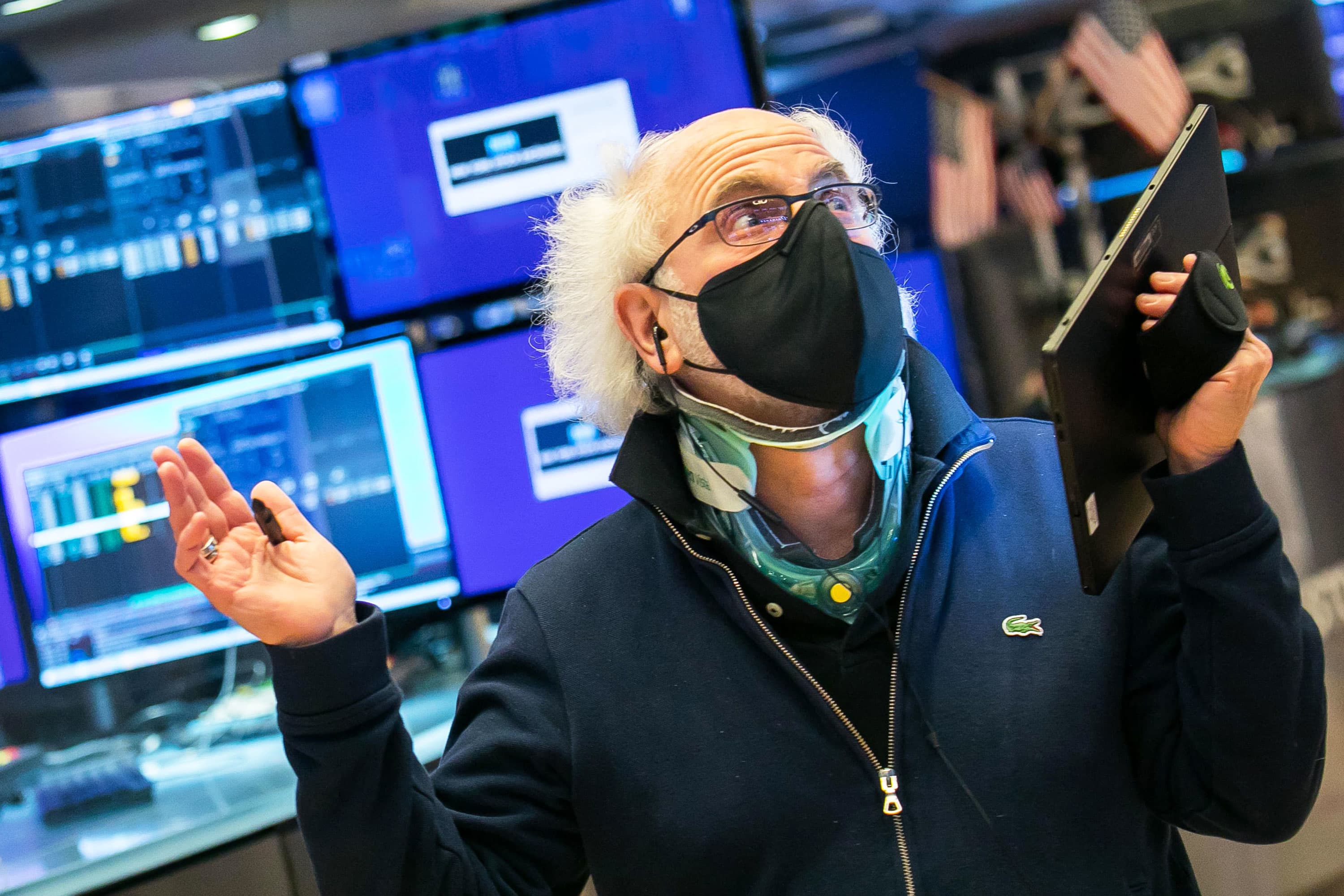
Dow futures tumble 200 pips after a pointy sell-off on Wall Avenue on rising bond yields

0
Dow futures tumble 200 pips after a pointy sell-off on Wall Avenue on rising bond yields

Stock futures fell overnight on Thursday after a tech-driven price on Wall Street amid a surge in bond yields.

The futures on the Dow Jones Industrial Average fell 200 points while the S&P 500 futures fell 0.8%. The Nasdaq 100 futures were down 1%.

All eyes will be on the February job report due to be released on Friday morning. Economists expect 210,000 people to be hired in February, compared with just 49,000 in January, according to Dow Jones.

The futures move followed a sharp sell-off triggered by comments from Federal Reserve Chairman Jerome Powell about rising bond yields. He said the recent attempt caught his attention but gave no indication of how the central bank would rein it. Some investors would have expected the Fed chairman to signal his willingness to adjust the Fed’s asset purchase program.

The economic reopening could “put some upward pressure on prices,” Powell said in a Wall Street Journal webinar Thursday. Even if the economy “sees a temporary spike in inflation … I assume we’ll be patient,” he added.

“The market translation of ‘patient’ is that patient does not mean ‘never’ and that Powell indicates that easy money will come to an end at some point,” said Mike Loewengart, managing director of investment strategy at E-Commerce Financial. “While the phrase isn’t too far removed from the Fed’s previous stance, it is enough to move a nervous market south.”

The yield on 10-year government bonds rose again above 1.5% after Powell’s comments. The key rate had stabilized earlier this week after rising to 1.6% last week on higher inflation expectations.

Tech stocks led the market decline as growth companies tend to be more vulnerable to higher interest rates. The Nasdaq Composite fell 2.1% on Thursday, bringing its losses to 3.6% this week. The tech-heavy benchmark also turned negative for the year, falling into correction territory or 10% from its recent high over the course of the day.

The S&P 500 and Dow both fell more than 1% on Thursday, heading for a lost week. With an increase in oil prices, the energy outperformed the previous session with an increase of 2.5%.

“Interest rates rose again, which opened the door to more technology stocks,” said Ryan Detrick, chief marketing strategist at LPL Financial. “The good side is that the economy continues to improve and the finance and energy leadership is suggesting this is not the time everything will be sold.”

NC legislature completes distribution of extra federal COVID-19 funds

0
NC legislature completes distribution of extra federal COVID-19 funds

LUMBERTON – At least two local long-term care facilities plan to reintroduce visiting guidelines in the coming weeks as the state Department of Health and Human Services reported a drop in cases on Thursday at facilities such as nursing homes across the state.

Wesley Pines Retirement Community leaders will meet on Friday to discuss their “rollout plan” for visits, said Amy Shooter, retirement community marketing director. She expects the visits to begin next week.

“We need to make sure we meet all of the criteria set by NCDHHS. We cannot be in the outbreak status and have to go 14 days without positive cases, ”she said in a statement.

There have been 19 cases in the age community where four residents were found positive for COVID-19, according to the NCDHHS website. The other cases concerned employees.

The WoodHaven Care, Alzheimer’s and Rehabilitation Center had 68 cases, 34 of which were reported among residents and the others among staff. A resident died as a result of the virus, according to the NCDHHS.

“WoodHaven is also seeing a decrease in positive cases among our residents,” said Lori Dove, vice president and chief administrative officer of UNC Health Southeastern. “We anticipate that we will no longer have an outbreak status by the end of March, which would allow us to allow hands-free visits such as those from CDC (Centers for Disease Control and Prevention) and CMS (Centers for Medicare & Medicaid Services ) has been described for a long time. Guidelines for care. “

Coronavirus cases in long-term care facilities have “declined rapidly in recent weeks,” according to an NCDHHS statement released Thursday.

“In qualified nursing homes, adult nursing homes, and other licensed facilities, case rates have fallen more than 15-fold since the peak of the broadcast in January 2021. With new cases falling rapidly, most facilities currently meet the criteria to resume indoor visits while continuing to follow infection prevention recommendations, “the NCDHHS reads in part.

Early vaccination prioritization for residents, employees and a lack of broadcasting opportunities for members outside the community are factors that have contributed to the decline in the rate, according to the statement.

“Since the pandemic began, the NCDHHS response has focused on a five-point strategy for long-term care facilities, including prevention, staffing, testing, outbreak management and oversight. The state has established regional infection prevention teams to support facilities. personal protective equipment provided; helped eliminate staff shortages; Provision of infection prevention and control training and targeted funding; mandatory examination; and completed infection control inspections in more than 400 North Carolina nursing homes, ”said NCDHHS.

More than 205,000 vaccines have been given to people who live and work in long-term care facilities. The vaccines will continue until the end of the month.

Declines in cases mean that many facilities can resume indoor visits if they meet the safety criteria set by NCDHHS. Medicare-certified care facilities must meet additional criteria required by the Centers for Medicare and Medicaid Services.

“Protecting our residents and long-term care workers is a top priority in our pandemic response efforts, and it is encouraging to see cases decline in these situations,” said Dr. Mandy K. Cohen, NCDHHS secretary.

“I know it has been a long, difficult year for residents and families, but these actions have saved lives and now allow us to resume safe indoor touring. While we need to continue infection prevention practices, this decline is also a positive sign of the impact vaccination is having in our communities, ”she said.

In other COVID-19 news, NCDHHS also plans to expand access to rapid tests in public K-12 schools.

Tests are provided free of charge to all local education agencies (LEAs) and charter schools for testing students and staff with COVID-19 symptoms. It is also used to check employees.

“The Centers for Disease Control and Prevention recommend diagnostic and screening tests as an additional preventive measure to essential mask reduction and physical distancing strategies that are in line with DHHS StrongSchoolNC guidelines, among others,” said NCDHHS .

From December 2020 to February 2021, NCDHHS piloted COVID-19 testing with 17 public school districts and 11 charter schools.

“This has been a huge benefit for our working parents and staff,” said April Hardy, school nurse for Lenoir County Public Schools and Lenoir County Health Department liaison. “Our employees were able to identify positive cases quickly and follow up on contacts in a timely manner. This will keep our school safe. Additionally, staff and students identified as close contacts were able to return to school earlier with such easily accessible tests. “

The experience of Lenoir County Schools and other pilot participants has influenced the nationwide expansion of testing for K-12 schools.

“In order to reduce the spread of the virus as our schools reopen, measures to contain the virus are vital,” said Dr. Elizabeth Cuervo Tilson, NCDHHS State Director of Health and Chief Medical Officer. “We look forward to expanding beyond the pilot schools in order to offer interested LEAs and charter schools this additional level of abatement.”

LEAs and charter schools can request tests for any of the following options. No tests are required for schools to give in-person tuition.

– Testing of all individuals, including students, their families and school staff, who are symptomatic or known to have had a confirmed positive case, and / or

– Once a week screening of all adults – including teachers and staff

All LEAs and charter schools interested in testing must meet certain requirements, including obtaining parent / guardian consent prior to testing, maintaining adequate supplies of personal protective equipment, training staff to conduct tests, or working with a local health care provider and reporting public health test results.

For more information on requirements, see StrongSchool NC’s Preliminary Guide to the K-12 COVID-19 Antigen Test. For more information on school openings, mitigation measures, or other school-specific guidance or questions, please email StrongSchoolsNC@dhhs.nc.gov.

Get $ 1,000 to look at the primary 5 seasons of Pals.

0
Get $ 1,000 to look at the primary 5 seasons of Pals.

Illustration for article titled Earn $ 1,000 to watch the first five seasons of FriendsImage: NBC Universal

So nobody told you that life in a global pandemic would be like this for a year? (No brisk clapping – the virus didn’t deserve it.) Perhaps you started off strong: making the banana bread, solving the puzzles, learning to knit and gardening.

Or maybe this year you’ve been busier than ever, between work and household responsibilities (and staying alive even during a pandemic), and you haven’t even felt a bit bored of just getting things done, sleeping a few hours and do it all over again the next day.

Either way, you’re probably looking for something else to do now – possibly to relax. If you’re a fan of aging sitcoms, you might be interested in entering the latest dream job contest: The One Where You Get $ 1,000 for Friends Watching. Here’s what to know.

Illustration for article titled Earn $ 1,000 to watch the first five seasons of Friends

What the job entails

The 1990s produced some excellent sitcoms, but the team from BestValueSchools.org– A website that enables people to match colleges based on their needs and budget – has chosen friends as the show they pay people to see. (Which actually makes sense now that I think about it.)

G / O Media can receive a commission

The The assignment is easy: Watch the first five seasons of Friends (that’s 121 episodes) and post your experience on your social media channels while you watch them, tag @ bestvalueschools.org and use the hashtag # bestvalueschools.org. Once you’ve completed the ad, you’ll need to rate your favorite episodes and post them online. That’s it.

What you get when selected

Up to five lucky winners will be “hired” for the position. They will each receive $ 1,000 for their efforts, which – in case you’re curious – works out to around $ 22 an hour.

Illustration for article titled Earn $ 1,000 to watch the first five seasons of FriendsScreenshot: BestValueSchools.org

In addition to the cash, winners will receive a $ 100 Door Dash Gift Card and a Friends TV Show Watching Kit that includes the following products from Hot Topic, Etsy, and the NBC Store, valued at $ 180:

Plus, one lucky winner will receive all 10 seasons of Friends on Blu-ray – although it’s unclear whether it’s one of the five big winners or a consolation prize for someone else.

And actually that raises another good point: it’s up to you to access the show. If you already have the DVDs – or a subscription / login to HBO Max which is currently streaming it – you’re done. Otherwise, you’ll need to buy every season / episode from Amazon Prime Video, iTunes, or GooglePlay.

Illustration for article titled Earn $ 1,000 to watch the first five seasons of Friends

How do I apply?

To qualify for the position, you must:

  • At least 18 years old
  • Permitted to work in the United States
  • An active social media user
  • Access to the first five seasons of Friends

If you tick those boxes, easy Fill out this form (You have to scroll down to the bottom of the page to find it) including an explanation of why you are the right person for the job (in about 200 words). And do some effort with your answers – the winners will be selected based on this part of the written exam.

All applications must be received by March 31, 2021. The winners will be notified within the following week.

Aaron Rodgers says his “subsequent large problem” goes to be a father

0
Aaron Rodgers says his “subsequent large problem” goes to be a father

Like most people, Aaron says he “dreamed” of fatherhood but hesitates to hasten the process. He simply says, “I’m very excited about this chapter whenever that comes up.”

After all, there’s no need to turn the page that quickly, especially when Aaron says he “enjoyed” his engagement to Shailene. The footballer ponders: “Obviously this is the best thing that happened to me last year. There has been a lot of good.”

Shailene is also in love with the athlete she was pleasantly surprised to have fallen in love with. While appearing on the Tonight Show with Jimmy Fallon, the actress joked, “He’s just a wonderful, amazing person to start with. But I never thought I’d be engaged to someone who threw balls for a living. Like me as little girl I never thought I’d say, “Yes, when I grow up, I’ll marry someone who throws balls! Yes! “But he’s really that good at it.”

Altria is asking the FDA to make it recognized that nicotine doesn’t trigger most cancers

0
Altria is asking the FDA to make it recognized that nicotine doesn’t trigger most cancers

A Marlboro cigarette.

Daniel Acker | Bloomberg | Getty Images

Marlboro’s parent, Altria, has asked the Food and Drug Administration to help spread the word that nicotine doesn’t cause cancer.

CNBC received a copy of a letter Altria sent to the FDA on Thursday asking the agency to spread the word about nicotine as part of a proposed publicity campaign about the risks of tobacco use.

“We received the letter and we will respond directly to the company,” FDA spokeswoman Alison Hunt told CNBC in an email.

Altria was not immediately available to comment on the matter.

In the February 25 letter signed by Paige C. Magness, senior vice president of Regulatory Affairs, Altria cited government studies on misperceptions about nicotine. It was said that eliminating such misperceptions would help traditional smokers switch to non-flammable methods of using nicotine, which may be less risky than products containing smoke.

Bloomberg News first reported the letter Thursday.

While the vast majority of Altria’s revenue comes from the sale of cigarettes and cigars, the company is also involved in vaping firm Juul and the nicotine pouch brand On! Involves and markets IQOS, a smokeless tobacco product that heats tobacco instead of burning it in the United States

There are at least 60 carcinogens in cigarette smoke, but these newer products deliver nicotine without the smoke.

As the regulator of Altria, the FDA can determine what claims it can make of its products. The FDA has allowed Altria to market IQOS in a way that would reduce the exposure of users to harmful chemicals than cigarette smoke.

Nicotine is the addicting ingredient to tobacco and it can have other negative health effects. In its report, Bloomberg said studies have shown that nicotine can affect brain development and birth outcomes, and in large doses acts as an agricultural poison.

Easy methods to Backup iCloud Images and Movies to Google

0
Easy methods to Backup iCloud Images and Movies to Google

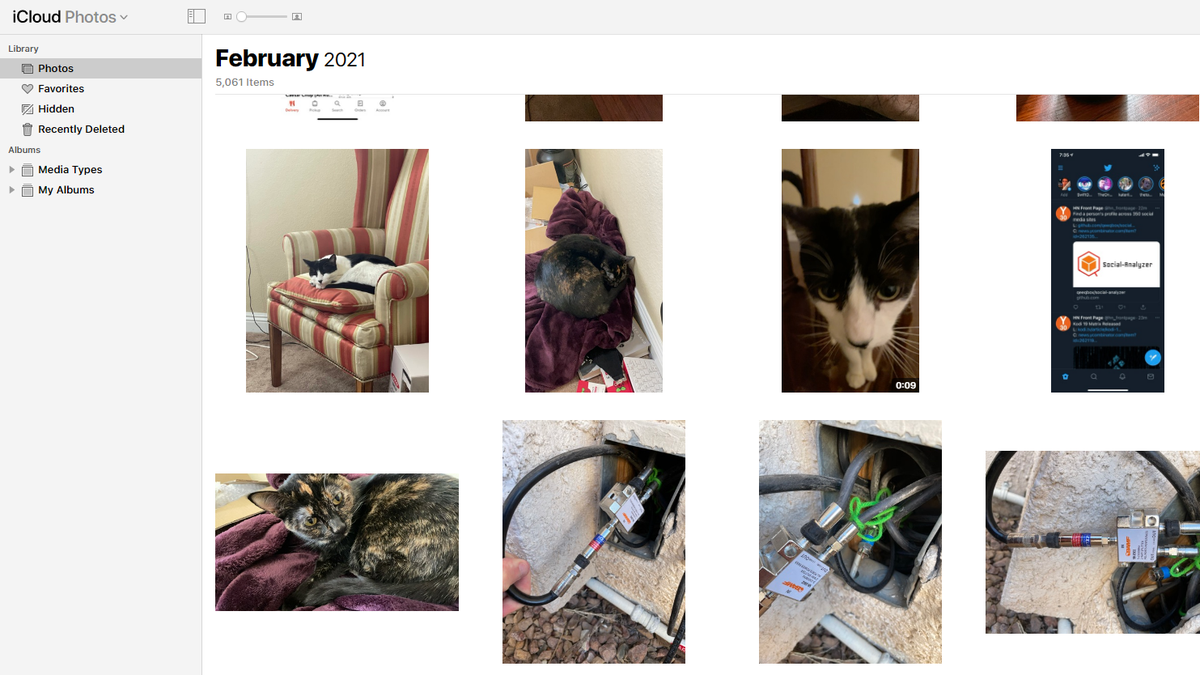
Illustration for article titled How to Back Up iCloud Photos and Videos on GoogleScreenshot: David Murphy

We’ve talked a lot lately about ditching Google Photos for other services, mostly because it was a shock to see this extremely useful subscription to the free storage service (once you hit your 15GB storage cap on all Google services to have). However, this is the way of things. And if you still prefer the convenience of Google to pay for iCloud, for example, Apple has a new tool that lets you copy your photos and videos from its cloud service to the competitor’s.

To get started, go to Apple Data and data protection Website and sign in with your Apple ID. You will see a screen that looks like this:

Illustration for article titled How to Back Up iCloud Photos and Videos on GoogleScreenshot: David Murphy

Click on that “Request to transfer a copy of your data” Link under the heading of the same name. This will bring up a screen where you can select the transfer destination (Google Photos) and choose whether you want to transfer just your photos, your videos, or both:

not definedScreenshot: David Murphy

G / O Media can receive a commission

You will then be asked to sign in with your Google account and allow the Apple tool to save data in your photo library:

not definedScreenshot: David Murphy

As part of the confirmation process for the copy, Apple notes that it could take three to seven days for the transfer to complete – ah, the digital life. You will also need enough free space on your Google Account to hold all of your files. Otherwise, everything will not be copied if or when all of your storage is full. Apple tries to give you a decent estimate of how much space you will need to delete it, but you are mistaken on the “a little more than you need” rather than “right on the money” side when you have to clipping a bit of data in your Google account.

Also, you should make sure you know what is being transferred before taking any drastic step, such as: B. deleting your Apple account (or at least all previously saved photos and videos). As Apple Remarks::

  • The transfer includes copies of photos and videos that you save in iCloud Photos and that are associated with your Apple ID. The formats include: .jpg, .png, .webp, .gif, some RAW files, .mpg, .mod, .mmv, .tod, .wmv, .asf, .avi, .divx, .mov,. m4v,. 3gp, .3g2, .mp4, .m2t, .m2ts, .mts and .mkv files.
  • Only the last editing of the photo is transferred and not the original version. Duplicates are only shown as one photo.
  • Photos are transferred with their albums whenever possible. Videos are transferred separately without their albums.
  • After submitting to Google, album and video filenames begin with “copy of”.
  • Some content – including shared albums, smart albums, photo stream content, live photos, some metadata, and photos and videos stored in other folders or locations – will not transfer at all.

These are many provisions. So, if you want to create a true archive of all the media stored in iCloud, you should use Apple’s “Get a Copy of Your Data” option instead. You can then decide what to upload to Google Photos and what may need to be archived elsewhere. Yes, that means you can use your bandwidth for transfers, but you have even more control over your data.

That said, if you have free space or a dummy Google account, a secondary backup for most of your media never hurts.

Fb trains AI on 1 billion public Instagram photographs to “see”

0
Fb trains AI on 1 billion public Instagram photographs to “see”

A person who uses Instagram.

Lorenzo Di Cola | NurPhoto via Getty Images

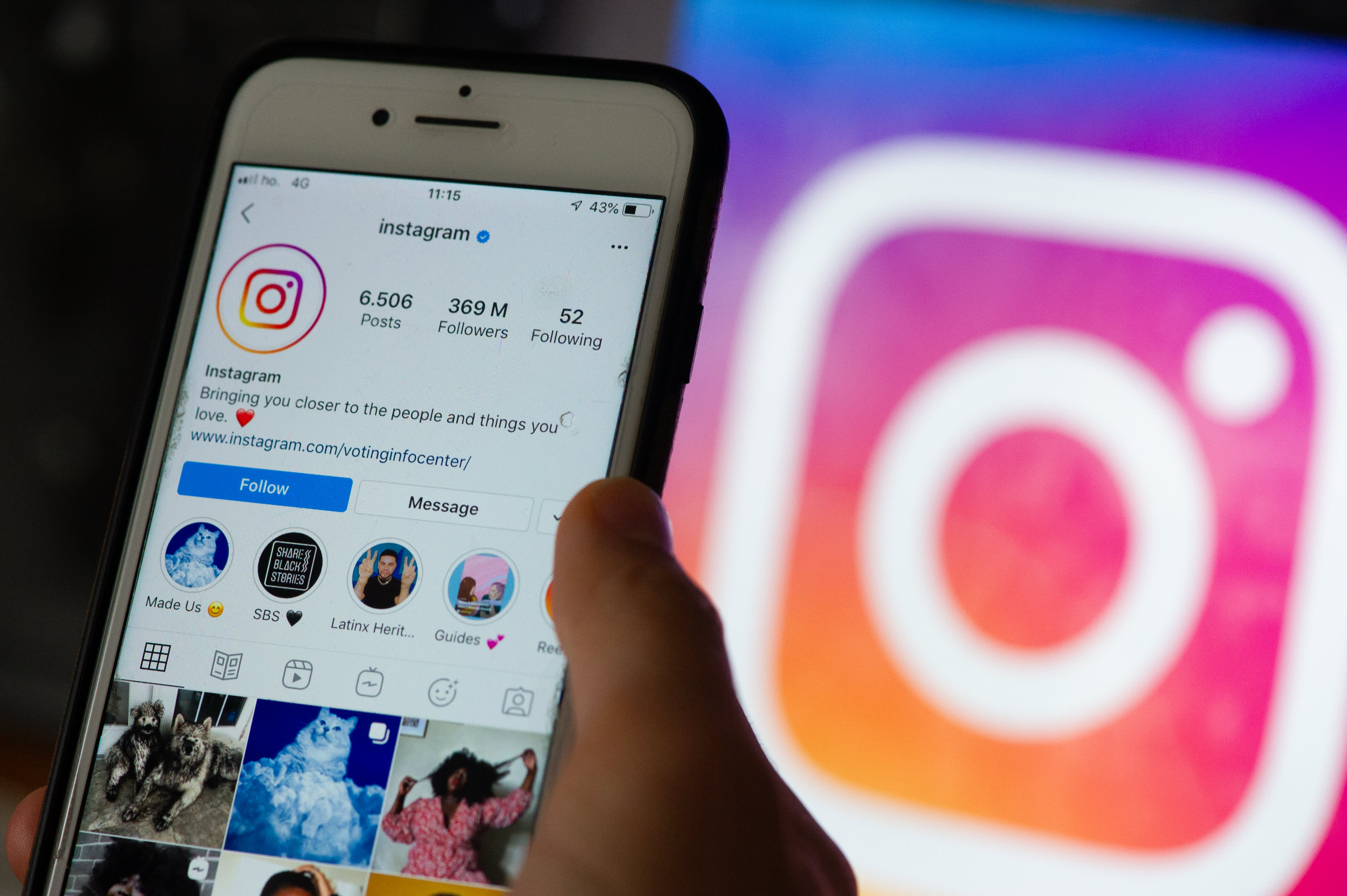
Pugs, Ferraris, mountains, brunches, beaches and babies – Instagram is full of them. In fact, it has become one of the largest image databases in the world over the past decade, and the company’s owner, Facebook, is using this treasure trove to teach machines what to see in a photo.

Facebook announced Thursday that it has developed an artificial intelligence program that can “see” what it sees. It did so by feeding over 1 billion public images from Instagram.

The “Computer Vision” program, nicknamed SEER, outperformed existing AI models in an object recognition test, according to Facebook.

The program achieved a “Classification Accuracy Score” of 84.2% when attempting a test of ImageNet, a large visual database developed for research into visual object recognition software. Basically, it is tested whether an AI program can recognize what can be seen in a photo.

New beginning

While many AI models are trained on carefully labeled data sets, according to Facebook, SEER learned how to identify objects in photos by analyzing random, unlabeled, and unhardened Instagram images. This AI technique is known as self-supervised learning. (SEER is a piece about SElf-supERvised, according to an academic paper Facebook researchers published about the work.)

“The future of AI is to create systems that can learn directly from the information they receive – whether text, images, or any other type of data – without having to rely on carefully curated and labeled data sets to help them To teach you to recognize objects, to interpret a photo, to interpret a block of text or to do one of the myriad other tasks we ask him to do, “the researchers from Facebook wrote in a blog post.

“The performance of SEER shows that self-supervised learning on computer vision tasks in real-world environments can excel,” they added. “This is a breakthrough that will ultimately pave the way for more flexible, accurate, and adaptable computer vision models in the future.”

While this is just a research project, a Facebook spokesperson said the potential uses are relatively broad. These include improved auto-generated text describing images for people with visual impairments, better auto-categorization of items sold on the Facebook marketplace, and better systems to keep harmful images off the Facebook platform, the company said.

Privacy problem?

However, many Instagram users may be surprised to hear that their images are being used to train Facebook AI systems.

“We inform Instagram account holders in our data policy that we are using the information we need to support research and innovation, including technological advances like this,” Priya Goyal, software engineer at Facebook AI Research, told CNBC.

Facebook said it will offer some of its software as an open source version for other researchers to experiment with.

“While we are sharing the details of our research and creating an open source library that will allow other researchers to use self-supervised learning to train models on uncured images, we are not sharing the images or the SEER mode,” Goyal said .

Other big tech companies like Google and Microsoft are also trying to push the boundaries of computer vision. Last summer, Google released the SimCLRv2 computer vision model while OpenAI released iGPT 2.

How I Achieved Wholesome Meditation Follow

0
How I Achieved Wholesome Meditation Follow

Illustration for article titled How I Achieved a Healthy Meditation PracticePhoto: WAYHOME Studio (Shutterstock)

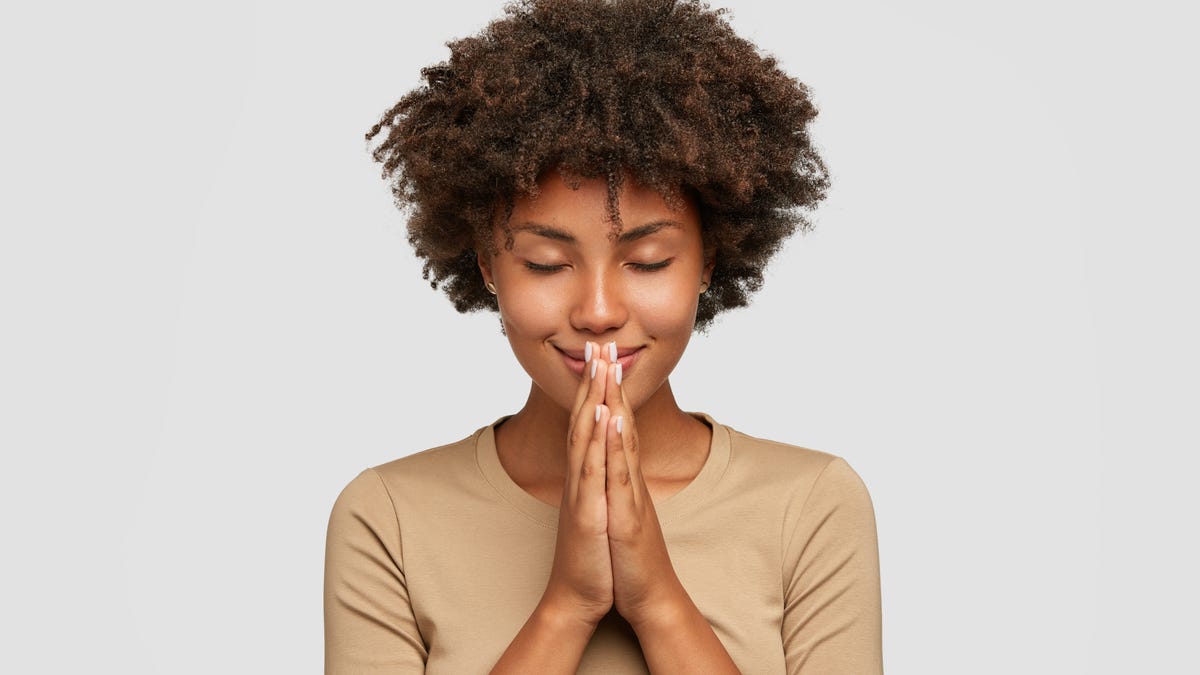
I took over last month Lifehacker Fitness Challengeand work to develop a consistent meditation routine. I committed to 30 days of meditation to reduce my aversion to the practice and to establish a healthy routine to relieve stress and anxiety. In the beginning, I started a three-minute guided meditation every morning just to get used to the idea of ​​daily meditation. The second week, however, was quite a struggle: I had changed my routine time to noon and was even more stressed. But for the third and fourth weeks, I turned to sleep meditation, which produced better results than I could have imagined.

Meditation before bed

After realizing that meditation was not for me during the day, I decided to try meditation to sleep better. Healthline reports Meditation can increase serotonin and melatonin (the sleep hormone), lower blood pressure, and activate parts of the brain that control sleep. This can prevent insomnia and reduce its effects. Now, I don’t necessarily have a terrible sleep time. As soon as I fall asleep, I sleep soundly through the night. The problem for me was getting enough sleep – by the time I got to bed, it was late. I had to learn to take the time to prepare for sleep and not find more things to do before bed.

Thankfully, Headspace has an entire section of their app dedicated to sleeping. To begin my sleep meditation, I have selected the “Wind Downs” section. This area of ​​the application offers a number of scenarios like turning off, focusing on letting go of the day’s activities. Deep breathing, focusing attention on the breath to induce a state of calm; and sleeping back, exercises to help you fall asleep again after waking up in the middle of the night. For my experiment, I decided to switch off, sleep and goodnight to let go of the day and prepare the body for sleep.

Illustration for article titled How I Achieved a Healthy Meditation Practice

G / O Media can receive a commission

In each session you will be asked to lie on your back (I am a side sleeper so this was a change for me). With my noise-canceling headphones over my satin cap (important for keeping the edges tight), I relaxed when the teacher’s voice instructed me to breathe deeply. On the third breath, you will be asked to close your eyes. The guide then draws your attention to different areas of your body such as your feet and then your calves slowly moving up the body. The teacher asks you to imagine parts of the body shutting down like a computer. In between there were long moments of silence in which I knocked out like a light. At first I woke myself up and thought, “Oh no, I missed the session!” and I heard the guide’s voice begin again and told myself to shut down the next area of ​​the body. In the course of the days I surrendered to the program and fell asleep blissfully.

I immediately noticed a change: I woke up refreshed and felt physically and mentally more energetic for the day. While I have no problems getting restful sleep, I found myself in a more favorable sleep state due to an intentional sleep routine. I got more sleep and went to bed with a calm mind instead of a frenzied one. I continued this practice and chose different sessions. Some sessions focused only on the breath while others took time to explain why shutdown is important. All sleep sessions start at 10 minutes, which I didn’t mind after switching from five minutes to ten in my second week. After a few days, I even tried 15 minute sessions.

Illustration for article titled How I Achieved a Healthy Meditation Practice

mission accomplished

What a success that challenge was – and it really was a challenge for someone with such a busy mind. I was able to accept the idea of ​​meditation and attend a session consistently every day. I found sleep meditation to be the most effective, but I will keep experimenting. I see this as a healthy routine that I have and that I will continue for years to come. I can’t meditate every day, but it has become a regular activity in my life.

Mandy Moore believes this heartwarming information helped induce labor

0
Mandy Moore believes this heartwarming information helped induce labor

Mandy Moore gives birth to baby No. 1!

This is just good news.

Shortly before Mandy Moore went to work she and husband Taylor Goldsmith learned that her pup Jackson was much better after emergency surgery for a mass in his stomach.

It was exactly what the This Is Us star had to hear before greeting his son August Harrison Goldsmithaka Gus. “In the flutter of all things, Gus, I wouldn’t mention this guy has a clean health certificate,” she said of a picture of Jackson on March 3rd. “His tumor was benign. Cancer-free. We found out about it.” 3 hours before I went to work and I know my relief has set things in motion. “

“So much gratitude these days,” she added. “We love you so much, Jackson !!!”

On February 23, the couple used social media to announce Gus’ arrival. “Gus is here,” wrote the new mother. “Our sweet boy, August Harrison Goldsmith. He was on time and his due date, much to his parents’ delight. We were ready to fall in love in all sorts of brand new ways, but it goes beyond what we could. We were ready to fall in love with us in all sorts of brand new ways.” ” have ever imagined “

POPULAR POSTS