Home Blog Page 181

17 Marvel Father’s Day Presents For Dads Who Are Superheroes

0

We love these products and hope you do too. E! has affiliate relationships so we may receive a small portion of the income from your purchases. Items are sold by the retailer, not E !.

Father’s Day will come sooner than Superman can walk around the globe. Ok, not really, but we’re here to help you complete your Father’s Day gift in record time. Remember: with great gift comes great responsibility!

Some of the things on our list include an Avengers-themed Monopoly game where you collect heroes to ruin your competitors. And a 480-piece Lego kit that, once assembled, turns into a full-head replica of Iron Man’s helmet. And for the dad trying to convince you he has it all, we recommend you get him a Thor Hammer toilet roll holder.

Ready to harness the power of all infinity stones to celebrate this special day? Then buy our must-have Marvel picks below!

The best way to rid your automobile of spiders, mice, ants and different pests

0

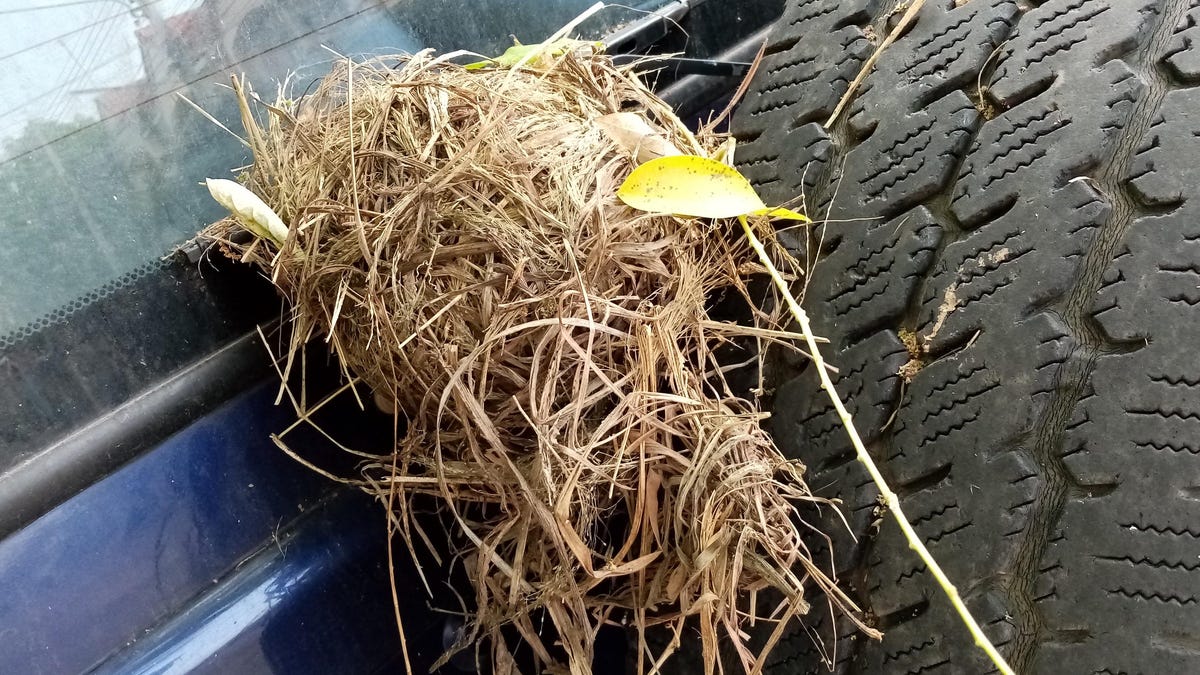
Illustration for the article How to rid your car of spiders, mice, ants and other pestsPhoto: kuncron (Shutterstock)

Animals and insects are attracted to warm places and keep them hidden. Unfortunately, your car ticks both boxes, meaning that at some point you will face the unwelcome discovery that some living beings have made their home in your drive.

Such an infestation can not only damage the vehicle (and Your Health), but you could accidentally injure the intruding animals if you turn on the engine. They can be a hazard while driving too – I’m allergic to spider bites, and it is always a bit nerve-wracking if I drop one from the roof of my car while I’m driving. How to remove creepy crawlers and critters from your car and keep them away.

Look for signs of rodents and insects living in your car

You probably won’t find a squirrel in the back seat. Instead, small animals like mice and possums find refuge in the narrow crevices Your engine and other small spaces. When looking for these cozy areas, rats and mice can often chew through wires and rubber hoses, clog filters and otherwise cause serious damage to your engine – and possible vehicle fire. With small living things there come animal droppings – and their droppings can contaminate the interior of the car (or your cabin filters, for example), which can be harmful Your Health. Insects like be crazy tend to make their home in your side mirrors, your car roof, and your vents. (Imagine turning on your air conditioning and getting a face full of spiders!)

Examine your car carefully if you suspect an animal is hiding in it. Modern plague gives a helpful list of signs that a rodent lives in your car:

  • Visual sightings of feces and urine, as well as bad smells
  • Strange noises, especially the heater or fan, make a humming or vibrating noise that suggests a nest in the heater’s fan motor
  • Discover food sources like acorns, dog food, and birdseed that rodents brought into your car to eat. See old snacks like french fries in unusual places
  • Occasionally you will see a mouse or rat jumping out of or walking around in your car

If you see signs of mice, squirrels, possums, or even cats, don’t turn the engine on or make noise before getting into the vehicle to scare them away.

Here’s how to prevent rodents like mice, rats, and possums from living in your car

You can keep pests out of your car using many of the same methods that you use to keep them from getting into your home (and you can even get better results). Mice and other animals are very sensitive to strong odors and do not like the smell of cedarwood, peppermint and cayenne pepper. Put cotton balls with essential oils on them Flavors for everything to do with the car as a deterrent or defense Mice. Stuff Steel wool or wire mesh in small crevices and open areas that animals could crawl into to prevent mice from nesting in your engine. And you can always resort to traps and poison – both of which are effective but much less humane options for pest control.

G / O Media can receive a commission

Animals find your car particularly pleasant when it is parked in one place for a long time. If you don’t use your car regularly, you should make an effort to keep it turned on and take a short drive every now and then. Animals will not find a suitable place to rest if they do periodically in motion.

To chase away animals that you suspect may be hiding in your car, try ringing your keys and honking before turning on the engine. The terrifying sound will likely cause the animal to flee and you can begin your journey. Whatever you do don’t open the hood in an attempt to get the animal out; It can only dig deeper into your car’s engine to hide.

Finally, clean your car as often as possible. Are mice, rats, possums, and other animals attracted to leftover food and crumbs. Regular car washes and vacuuming in the event of a spill keep hungry animals at bay.

This is how you get rid of insects like spiders and ants in your car

Insects can’t chew on your cables or mess up your engine, but nobody wants to find a cockroach in their center console. Your first line of defense here is to keep your car clean. Like mice, beetles like ants are attracted to food waste. Regularly wipe dashboards, vacuum up crumbs, and remove groceries from your car on a daily basis. If you have the means, you get a full service Car cleaning with every oil change. It’s an easy way to remember to clean your car thoroughly, and it’s well worth the cost (around $ 35) if you can swing it.

Don’t forget to clean the floor mats when cleaning up your car. According to website with malware solutions mantis, Car mats are a prime place for bugs to lay eggs and larvae. Make sure to vacuum your mats thoroughly and try not to leave them wet for long periods of time.

Beetles and spiders too don’t like the smell Peppermint and citrus oils, so the same cotton ball method can be used here that is used to deter mice.

Finally, and perhaps more frighteningly, bed bugs don’t just live in beds and, unfortunately, can infect your car as well. In this case, you need to contact a professional – bed bugs and other hitchhikers Pests like fleas, can be almost undetectable in a car and are extremely difficult to get rid of on your own. However, a professional pest control can do the Heat method or use Cryonite treatments to rid your car of these stubborn pests.

This is methods to write much less horrible emails when it is not simple so that you can write

0

Illustration for the article, titled How to Earn Less Horrible Emails when you find it difficult to writePhoto: Pfluegler-photo (Shutterstock)

Since a lot of our modern work communication relies on our inboxes, everyone needs to learn how to communicate effectively via email. This also applies to chemical engineers who doesn’t know a preposition from a door handle.

If you find that your email is somehow missing its target – maybe your coworkers are more confused than they were when you started the thread – there’s nothing to worry: there are ways to make sure your email comes across fluently, and you don’t have to be a literary genius to get the job done.

How to structure your email

Think of it like a rudimentary picture book that you could read to a child: there should be a beginning, a middle, and an end. No cliffhangers or untied knots if you can prevent it.

For example, when reporting to a team about a project that you are leading, first explain what the project is and what you want to achieve with it. Then describe what you have achieved and where the project could lead. Finally, complete it by asking for thoughts or questions, then bow gracefully with a formal signature.

Another way to think about it can be to reduce it to four steps. As Growth Consultancy Partners writes, You can follow this blueprint:

G / O Media can receive a commission

  1. greeting
  2. Questions or action requested
  3. Concise description of context and effect
  4. Shut down

This may sound too simple, but it’s easy for people to get bogged down in detailed prose that deviates from the general meaning of an email. The last thing you want is to confuse the recipients on the receiving end, so use clear, simple language to keep your writing concise.

Always use a subject line in your emails

There’s nothing about email etiquette (at least to me) more despicable than an email that doesn’t deal with a subject line. For example, if you’re just trying to get someone’s attention in a pinch, write, “Can you call me?” in the body of an email – then maybe it’s okay. However, in general, emails without subject lines are annoying, for example when an accountant I used didn’t add one even though they sent me more than 50 emails in a single thread.

So whenever you’re emailing someone about something important, include the topic of your conversation in the subject line. Make it short and readable—no need to pinch yogababble. Your coworkers, who may be combing through a mountain of unread messages, will appreciate your emphasis on clarity.

Keep your emails appropriate

If you work in a corporate setting with a lot of people you only know professionally, don’t assume that everyone understands your sense of humor. If you’re not sure about a joke break, don’t include it in your email. Some jokes are better to be told in person, especially when you know your audience. Things that are said in the real world don’t always translate seamlessly into the digital world, which means you should always curb your need for jokes, especially if you can just leave the sillier conversation for happy hour.

These are just ground rules, but clarity is usually the predominant rule of email etiquette, in addition to common sense when it comes to subject lines and saving your humor for later.

Halloweentown’s Kimberly J. Brown shares her co-star love story

0

Halloweentowns Kimberly J. Brown shares the little-known story about how she fell in love with her co-star Daniel Kountz.

Fans of the 2001 Disney Channel Original Film will remember the two actors who starred in the spooky film about their siblings’ trips to Halloweentown. Kimberly played Marnie, who was featured in the first film, while Daniel played Kal in the sequel Halloweentown II: Kalabar’s Revenge.

Of course, Kal was eventually the son of Kalabar, whom Marnie and her witch family banished in the first film. Basically, they could never be together because Kal wanted to avenge his father’s death. As Kimberly put it in a new TikTok video, her character hated him “for the rest of the movie.”

Well, this is not where their love story begins because, according to Kimberly, they “had absolutely no romantic feelings for each other” during the filming.

The Fed might face job complications within the battle in opposition to inflation

0

KB Home’s construction of single-family homes is shown under construction in the Valley Center, California community on June 3, 2021.

Mike Blake | Reuters

If the Federal Reserve’s opinion on inflation prevails, there are a few important things that need to be going right, especially when it comes to getting people back to work.

Solving the job puzzle has been the toughest task for policy makers in the era of the coronavirus pandemic, as nearly 10 million potential workers are still considered unemployed despite the number of vacancies available in April according to the latest data from the US – Department of Labor.

There’s a pretty simple inflation dynamic: the longer it takes to get people back to work, the more employers have to pay. These higher salaries, in turn, will trigger higher prices and could lead to longer-term inflationary above-average charges, which the Fed is trying to avoid.

“Unfortunately, we see good reasons to believe that labor force participation will not quickly return to theirs
before Covid, “said Ian Shepherdson, chief economist at Pantheon Macroeconomics, in a statement.” Whatever happens here, the Fed needs a large number of these people to get back into work this fall.

The rate of inflation is critical to economic development. Excessive inflation could force the Fed to tighten monetary policy faster than desired, which could have cascading effects on an economy that is debt-dependent and thus critically tied to low interest rates.

Consumer prices rose at a rate of 5% year-on-year in May, as fast as they have been since the financial crisis. However, economists generally agreed that much of what is driving the rapid surge in inflation is due to temporary factors that will fade as the economy continues to rebound and normalize after the unprecedented pandemic shock.

However, this is far from certain.

The Atlanta Fed’s measure of “sticky” inflation, or prices of goods that tend not to fluctuate much over time, rose 2.7% year-over-year in May, the strongest growth since April 2009. A separate measure for “flexible” CPI, or prices that tend to move frequently, rose an astonishing 12.4%, the fastest since December 1980.

In their latest forecast, Fed officials put core inflation at 2.2% for 2021 as a whole; Shepherdson said the latest numbers suggest something closer to 3.5%.

“This is a huge failure and, with the potential impact on the labor market, it may pose a serious threat to the Fed’s benevolent view of medium-term inflation,” Shepherdson said.

What keeps workers at home

Surveys reveal a variety of factors preventing workers from taking a job: ongoing pandemic worries, childcare issues, especially for women, and expanded unemployment benefits, which are being phased out in about half the states and will expire completely in September.

From an employers perspective, concerns about skill mismatches have existed for several years and have worsened during the pandemic. For example, a survey by the online learning company Coursera showed that the US has fallen to 29th place in the world for the digital skills required for high-demand entry-level jobs.

The dilemma is pervasive in American business these days.

All of my clients are struggling to get staff at a level they need to really get to the other side of this surge.

David Wilkinson

President of NCR Retail

David Wilkinson, president of NCR Retail, the cash register maker that now offers a wide variety of products and services to the industry, said he was seeing “some kind of labor crisis.”

“When labor becomes harder to come by and more expensive, the other side of inflation concerns is that as prices go up, the cost of living goes up and you have to pay people more when they ask for more,” said Wilkinson. “All of my clients are struggling to get the level of staff they need to really get to the other side of this surge.”

While he expects inflation to eventually decline from its current level, it expects it to be above the below 2% that has prevailed for most of the post-financial crisis period.

The implementation of the technology accelerated during the Covid era. While this will continue, Wilkinson also expects retailers to pay higher wages to meet demand for staff.

“We’re seeing an increasing focus on the retail workforce, and that includes the experience, the technology they need to do their job and the willingness to pay,” he said. “That brought that back to the fore.”

It could prove difficult for the Fed to navigate the various dynamics.

Previous attempts to normalize policy over the years have largely failed as the central bank had to return to the interest-free money printing world that emerged during the financial crisis.

“The Fed is trapped,” wrote Joseph LaVorgna, Natixis’ chief economist for America and former chief economist of the National Economic Council.

While LaVorgna thinks inflation is relatively under control, he believes the Fed could run into trouble due to deflationary pressures. The central bank does not like inflation that is too low as it creates a cycle of low expectations that constrains monetary policy during downturns.

“Political pressure to do nothing will be intense,” as national debt rises, LaVorgna said. “If the Fed cannot (or does not want to) eliminate excessive monetary accommodation during a booming economy, how can policymakers do so when growth inevitably slows?”

Markets that bet on the Fed

In fact, the markets don’t expect much movement in politics.

Government bond yields have actually declined since Thursday’s Consumer Price Index report, and market prices are now suggesting that no rate hikes will be made until around September 2022 and the Fed Funds rate will be only 1% until May 2026.

A University of Michigan report on Friday also showed that consumers are lowering their inflation expectations, with the outlook for the coming year at 4%, up from 4.6% in the previous poll and 2.8% over five years, however still at 3%, well above the Fed’s 2% target.

“With all fears that the Fed will be forced to tighten policy prematurely to contain inflation, we suspect officials will be equally concerned about a slowdown in the recovery in real activity,” wrote Michael Pearce, US chief executive -Economist at Capital Economics.

The Federal Reserve Board building is pictured in Washington, USA on March 19, 2019.

Leah Millis | Reuters

Fed officials are likely to talk next week about which direction the risks have tilted in the current scenario. They were lukewarm to the recovery, continued to emphasize the role of the pandemic, albeit shrinking, and encouraging a broad policy response.

However, if inflation data continues to point upwards, pressure will increase to at least curb monthly security purchases.

“There was this debate about whether inflation is any different this time,” said Quincy Krosby, chief markets strategist at Prudential Financial. “When inflation rises more sharply and less temporarily, consumers will need higher wages.”

The Fed is betting that a return to the labor market, especially women, will help keep wage pressures and inflation in check. The current participation rate for women is 56.2%, compared to the lows of the pandemic, but otherwise at the lowest level since May 1987.

Regardless of inflationary pressures, last year the Fed changed its mission statement to keep policy accommodative until the economy sees inclusive job gains, across gender, income and race.

“They’ll make sure the glide path too [policy] The start is long, “said Krosby.” The question is, what does the Fed do when inflation picks up more sensibly and is stickier? That is the concern of the market. “

Become a smarter investor with CNBC Pro.
Get stock picks, analyst calls, exclusive interviews and access to CNBC TV.
Sign up to start a free trial today.

Cash Reimagined: Bitcoin’s Inexperienced Savior?

0

Well, the giant Bitcoin Miami love fest conference turned out to be more than just late-night beach parties. It actually delivered some news – a bombshell announcement big enough to quell concerns about the event being a COVID-19 superspreader event. All week, the crypto world has been alight with the news that the Central American country of El Salvador will become the first nation to treat bitcoin as legal tender. 

The implications of that announcement dominate this week’s newsletter. In particular, the main column focuses on the prospect of also spurring renewable energy development across the country via a system of bitcoin-funded community microgrids. 

The accompanying “Money Reimagined” podcast departs from an otherwise all-bitcoin newsletter to explore the second edition of Sheila Warren’s and my dive into the governance challenges and opportunities for new forms of organizational decision-making posed by decentralized finance (DeFi) and distributed autonomous organizations (DAOs).

Related: An Interview With Bitcoin Beach, the Community That Inspired El Salvador to Adopt the Bitcoin Standard

Have a listen after you read the newsletter.

Bitcoin and green energy: El Salvador’s leapfrog chance

Possibly the only thing this week that got bitcoiners more excited than El Salvador President Nayib Bukele’s move to make bitcoin legal tender was his followup that bitcoin miners will get access to geothermal power from volcanoes.

The bitcoin community is not only celebrating a new Central American haven but pointing to El Salvador as a proving ground for “green” bitcoin. Because geothermal plants draw their energy from an existing, naturally occurring heat, their carbon footprint is minimal. 

You’re reading Money Reimagined, a weekly look at the technological, economic and social events and trends that are redefining our relationship with money and transforming the global financial system. Subscribe to get the full newsletter here.

Story continues

Related: DAOs, DeFi and Dollars: the Bold New World of Decentralized Entities

But I think El Salvador (population 6.4 million), one of the poorest countries in the Western Hemisphere, has an opportunity to make a far more groundbreaking energy play than the buzz generated by linking a volcano to a bitcoin mine. 

A humble proposal: The government should work with miners, local community leaders and foreign investors to strategically fund the expansion of the country’s electricity coverage, specifically via a decentralized network of cheap, clean, cyber-secure, and community-empowering solar or wind-power microgrids.

The best way to overturn the flawed narrative – most recently furthered by U.S. Sen. Elizabeth Warren – that bitcoin will destroy the planet if we don’t curtail it is to demonstrate the opposite: that miners prefer low-cost green sources of power and that they can be a force multiplier for green energy infrastructure at large. If executed properly, El Salvador’s bitcoin project could achieve a host of the United Nations’ Sustainable Development Goals (SDGs) in one shot. That’s a story I’d love to tell.

Underwriting green economic development

While Warren, Elon Musk and others have been beating the drum about Bitcoin’s energy usage exceeding Sweden’s, bitcoin mines are being deployed in multiple locations across the world, not only to tap existing renewable or stranded energy sources such as wasted natural gas destined for flaring, but to underwrite the development of green electricity infrastructure to serve wider communities. 

In a recent episode of our “Money Reimagined” podcast, Harry Sudock, vice president of strategy at mining infrastructure provider GRIID, told us his company is seeing relentless demand from wind, hydro and solar developers for bitcoin mining; co-locating facilities offers revenue guarantees that allow communities to expand renewables  to serve local people. Without those guarantees, these enterprises tend to stall because they depend on bureaucratically administered and sparsely distributed government subsidies to fund their rollout.

In other words, bitcoin mining can serve as that missing piece of risk capital needed to kick-start infrastructure projects, not only to shift the world toward renewable energy but also to foster economic development. There are deep-pocketed companies ready to do this – payments provider Square, for example, which is investing $5 million into a new bitcoin-driven solar facility run by Blockstream. 

To maximize the social impact of this effort, we need to look beyond large-scale, state-run, centralized energy projects such as El Salvador’s geothermal plants and seek ways to fund community-based green power projects run as regional microgrids. 

A decentralized network of such grids would provide what power experts call “redundancy,” creating multiple backups to offset the vulnerability of the centralized national grid to outages caused by weather or other disruptions. (For a sense of why centralized systems are more vulnerable, think of the tens of millions of people along the U.S. Eastern Seaboard who were impacted by a single ransomware attack on the Colonial Pipeline. A decentralized structure gives hackers a smaller payoff in terms of disruption.)

Most importantly, if bitcoin miners source their power from local, community-based grids, their payments for it – transferred in newly legal tender bitcoin – will go to those communities, providing a steady long-term source of income. (Ideally, microgrids would be governed as cooperatives, or even as distributed autonomous organizations, or DAOs, to ensure wide distribution of proceeds and that there is accountable reinvestment in sustainable development.)

With those funds in hand and new, more widely distributed, reliable, low-cost sources of electricity available, local entrepreneurs could, for example, build out a network of charging stations, creating the foundation for local businessmen to spin up electric vehicle transport services. There’d be power to pump water into farmers’ irrigation systems. They could expand cell phone services, which are vital for bitcoin payment apps such as Lightning-based Zap, whose CEO, Jack Mallers, was instrumental in President Bukele’s bitcoin awakening.

The geothermal mining proposal is not antithetical to this idea. Bitcoin payments to the national geothermal energy company, LaGeo, would go to upgrading and maintaining the national system into which the microgrids are integrated to provide greater security and reliability. Or, in a direct application of the so-called “money battery” concept, energy tariff payments to the government by bitcoin miners could fund the development and maintenance of the microgrids in other places. 

Flip the debate

For those who believe bitcoin’s offer of a censorship-resistant, programmable, universally accessible source of digital currency is a positive force for the world, projects like this provide an opportunity to sway public opinion and get people to recognize that it can drive sustainable growth opportunities if managed properly. 

We need to table the dysfunctional debate about bitcoin’s environmental impact. Critics focus on bitcoin’s energy consumption, but it’s the wrong lens. El Salvador and so many other poor countries need to consume more, not less, energy if they are to prosper. And excessive consumption is only a problem if the resource is finite, which is not the case with solar, wind or geothermal energy. 

The problem is bitcoin’s mining’s source of energy. And the reality, one that too many crypto advocates ignore, is that bitcoin does access a massive amount of fossil fuel energy. Its carbon footprint is by no means small and will grow bigger as usage expands unless deliberate actions are taken to reduce it. 

We need policy actions that can put both sides of this debate into a more reasonable context. El Salvador can lead the way – especially given the interest among other Latin American leaders to follow its example. 

Still, to ensure the spoils of development are spread among host communities and to keep miners and grid operators in a symbiotic contractual relationship that serves the interests of both, regulation is needed. Rules can be set for minimizing mining activity during peak hours to manage the “duck curve” problem caused by unused solar capacity and for ensuring there is constant reinvestment in capacity for the community at large. 

The question is, will Bukele’s government, which has been accused of authoritarianism and has resisted efforts by U.S. President Joseph Biden to expand regional anti-corruption efforts, seize the initiative to spread the wealth? Or will corrupt officials and wasteful state companies monopolize the bitcoin windfall?

Well, here’s an opportunity for the Biden Administration to strike a deal. 

Deeply poor El Salvador is one of the biggest sources of undocumented immigrants crossing through Mexico into the United States. If the U.S. sees the big picture here, it should take a more positive stance towards El Salvador’s Bitcoin policy than we’re currently hearing from Washington – the U.S.-dominated International Monetary Fund expressed concerns Thursday about it. It can help the country leverage the opportunity to develop prosperity among the very communities that are sending their people on those treacherous journeys to the U.S. 

This is a unique opportunity for everyone. Let’s not squander it.

Off the charts: Whither the whales?

In the first Money Reimagined newsletter of 2021, we looked at how so-called “whale” bitcoin addresses with more than 1,000 BTC had grown significantly before and during the price rally that started in mid-2020 and accelerated into the end of the year. We contrasted that with 2017, when whales started shedding positions mid-year while the price was not even a quarter of the $20,000 peak it would later hit in December, before it plummeted to levels below $8,000 in early February. We saw in this a potential sign of sustainability for the 2020 rally because it indicated that the gains were driven by big, lasting bets by institutional investors. 

So, now that we’ve had a big pullback, let’s look at how whales have been behaving.

Once again, the whales led the price decline. As the chart above shows, addresses with more than 1,000 BTC increased sharply during the first two months of the year while the price of bitcoin also soared. But then, around March, whale accounts dropped sharply, as if concluding that the small, retail investors now rushing into bitcoin were once again taking things too far.  

Unlike the 2017 rally/bubble, the price response came only a couple of months after the whale drawback began, whereas there was a delay of six months in 2017. Then, the price increased four-fold during that gap period whereas this year, the increase was less than 50% – still huge, but less parabolic. 

To me, this speaks to how important large, institutional accounts were in this most recent rally. They were the reason for it – the founding narrative being that “the suits” are coming – even if in the latter stages it was fueled by a small investor influx. When the institutions got cold feet – primarily because of environmental concerns – the market couldn’t sustain itself. 

What now, then? Well, it’s probably too early to say, but there is a small uptick in whale addresses this past month. Just as importantly, as CoinDesk’s Omkar Godbole reported this week, even if whale addresses haven’t increased, existing addresses have been accumulating coins, adding a total of 80,000 BTC since the price crashed to $30,000 on May 19. For now, at least, the bigger players seem to see buying opportunities in these lower prices. 

The Conversation: A house divided

Crypto Twitter riled up this week when U.S. Sen. Elizabeth Warren, the prominent liberal Democrat from Massachusetts, came out with a tweet and a video that described bitcoin as an “environmental disaster” and “scandalous.”

Notably, this came two days after a bitcoin put-down by someone otherwise seen as the diametric opposite of Warren: former President Donald Trump.

The differential here is that Trump’s view is based on a blatant appeal to raw state power that comes with the dollar’s dominance – a state of affairs that most fans of bitcoin seek to escape – whereas Warren’s is couched in the interests of the planet rather than nationalism. 

Putting that aside, the convergence of anti-bitcoin voices from both sides of the political aisle is important. To many in the bitcoin space, it’s a galvanizing moment. It’s now all about “us” versus “them,” they say, where ”they” are the centralized establishment, Democrat or Republican, that the peer-to-peer technology of Bitcoin is intended to bypass. 

Crypto Twitter exploded in angry retort. But that was to be expected. More intriguing were the pro-bitcoin responses from within “the establishment.” 

First, let’s hear from Ohio Congressman Warren Davidson, a Republican who has embraced a pro-Trump stance. Davidson is a member of the Congressional Blockchain Caucus and he took Warren to task:

Next, a former Democratic presidential candidate who is now running for mayor of New York City. On CNBC, Andrew Yang laughed down a question about environmental concerns and struck a decidedly pro-crypto stance. (Audio a bit rough, but thanks to @SonamSSol for capturing the video.)

One measure of bitcoin’s power is its capacity to make strange bedfellows.

Relevant reads: Bitcoin’s savior?

High school Spanish question: Translate “el salvador.” 

News that a country would declare bitcoin legal tender was always bound to elicit “to the moon” high fives among the cryptocurrency’s loyal community. But with the price well off its highs and concerns abounding over China’s regulatory crackdown and a backlash from environmentalists, bitcoiners had even more reason to cheer this development than ever. It’s almost as if Nayib Bukele, a bearded, baseball cap-backwards, self-styled rebel of 39 years of age has emerged as their savior – you know, in the religious sense.

  • As reported by Zack Seward, Colin Harper and Danny Nelson, it began at the Bitcoin Miami conference with an emotional, almost evangelical presentation by Zap CEO Jack Mallers, who shared a videotaped announcement in which Bukele told the whooping audience that “El Salvador is set to be the first bitcoin country.”

  • But is Bukele the Messiah bitcoin needs? Per a day-after profile by Daniel Kuhn, it’s complicated. The young, anti-establishment president eschews “left” or “right” labels, while actions such as sending in armed soldiers to the legislature and removing Supreme Court judges have seen him described as a “hipster authoritarian.” Meanwhile, in providing direct assistance to the poor during the COVID-19 pandemic, he earned sweeping approval from voters but copped the epithet of “populist” from conservatives.

  • Either way, Bukele has sparked what could be described as a movement – maybe even a religion – among like-minded politicians across Latin America. Legislators from Argentina, Mexico, Panama, Brazil, Colombia and Paraguay adopted pro-bitcoin “laser eyes” Twitter profiles. And Paraguayan Congressman Carlos Rejala promised to introduce a bill that would open his country’s hydropower resources to bitcoin miners. In an interview with Andreas Engler, Rejala sounded almost Pentecostal: “The [Bukele] announcement prompted me not to be afraid and to think that this can be real in my country.”

  • And now Rome is displeased. As anyone who has read the financial history of Latin America knows, throughout much of the past 50 years the International Monetary Fund has been an economic master to the region’s countries. In fact, in requiring them to sustain their debt commitments, it has become known among the Latin American left as a brutal taskmaster. With that quasi-colonial history in mind, it was striking at the end of the week to hear IMF spokesman Gerry Rice citing “macroeconomic, financial and legal issues” with El Salvador’s law.

Related Stories

How and Why to Do Barbell Squats

0

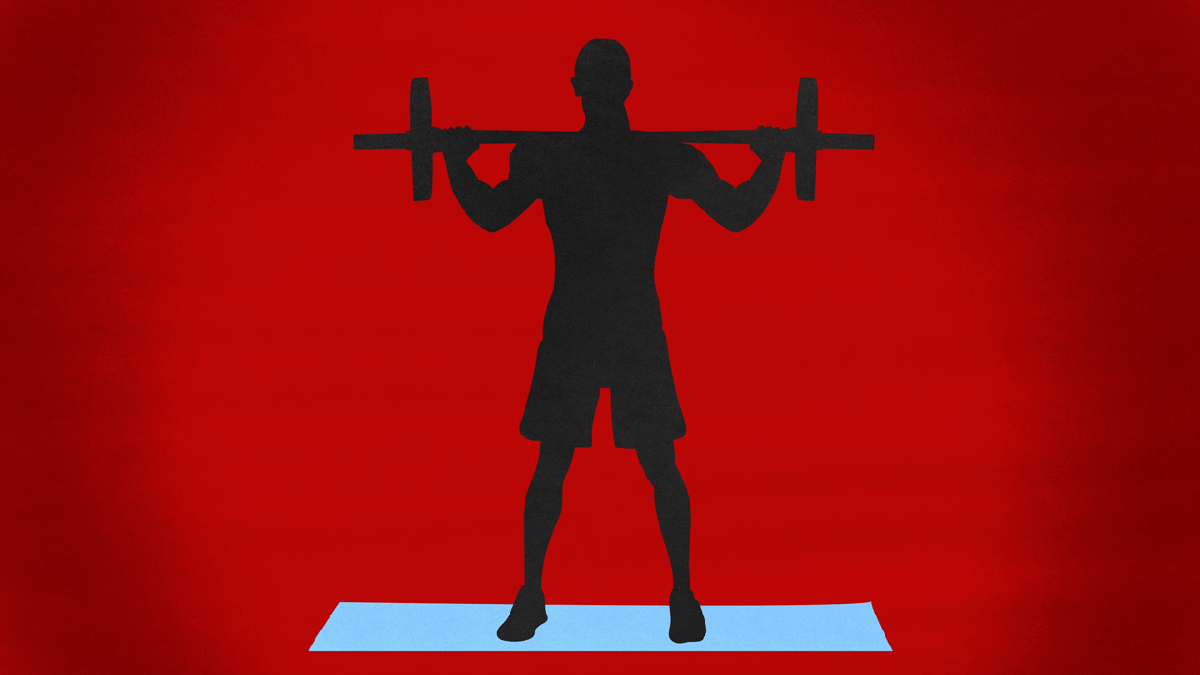
Illustration: Sam Woolley

Squats are one of the very best exercises for your legs, and nearly everybody who lifts heavy weights regularly does some form of squat. But perhaps you’ve heard that squats are bad for your knees, or that you need to do squats in a certain specific way to avoid injury. Let’s break down the specifics so you’ll know what advice to follow, and can rest assured you’re doing your squats the right way.

What muscles do squats work?

Technically, you already squat every day.

Every time you get up from a seated position, you’re effectively doing a squat. You probably feel your quads—the muscles in the fronts of your thighs—bearing the brunt of the work. Your glutes—aka your butt muscles—help to extend your hips while your quads are extending your knees. Besides a handful of other muscles in your legs and hips, the barbell back squat targets your core and back muscles, helping improve your posture.

The benefits of doing squats

While strong legs look nice in shorts and help us do everyday stuff with greater ease, you will appreciate them even more in your later years, as Greg Nuckols, writer and strength coach, points out. We sat down with him to talk about squats, and he notes:

Strong legs and hips, particularly, are crucially important for healthy aging. You can live independently longer, perform activities of daily living without as much strain, and muscle and strength are both strong predictors of longevity.

G/O Media may get a commission

We all know it becomes tougher to get up from a chair, toilet, or bed as we get older, but it’s never too late to start benefitting from building lower body strength or getting into strength training in general. A fairly recent study in the Journal of Strength & Conditioning found that heavy squats (under supervision) can help postmenopausal women suffering from osteopenia or osteoporosis improve bone mineral density in their spine and neck, in addition to boosting their strength.

Are squats safe for your knees?

If someone tells you to avoid squatting because “it’s bad for your knees,” this person probably doesn’t know—excuse the pun—squat about squats.

Don’t just take my word for it: A review article in Sports Medicine determined that the stresses of squatting to various depths, even the really low ones, don’t reach the point where they could cause harm to the ligaments in your knees (they’re sturdy like that, after all). In fact, the authors observed that the more you squat (with good form), the more your cartilage tissue can adapt and strengthen to handle the weight, just like your muscles do. The caveat here is that if you already have a history of knee issues, squats could aggravate your injury.

Otherwise, if you’ve got good technique and have healthy knees, squats can actually make your knees stronger and more injury-proof, as supported by the findings in a paper published in the Medicine and Science in Sports and Exercise.

So, it’s not the squats themselves that hurt your knees; it’s how you squat that’s probably hurting your knees.

How to do a proper squat

When you do a back squat, the weight should be centered over your foot, and stay there as your hips and knees bend. If you feel the pressure mostly in the front of your foot or mostly in your heels, you probably don’t have the bar on the most efficient up-and-down path.

You may have heard the advice that your knees shouldn’t go forward of your toes, but that’s no longer the consensus among trainers. Nuckols explains why:

Normally, people don’t really pay attention to how far forward their knees travel; they tend to balance the forces in the squat between their knees and hips pretty evenly. However, when you tell people to not allow their knees to track forward, or if you artificially restrict forward knee travel, a lot of the load is shifted to the back and hips, away from the quads, making it a less well-rounded movement for overall lower body development.

For the most part, your knees should track over your first or second toe. Having them track a shade further in or out isn’t the end of the world, but excessive knee valgus [caving in of the knees] should be avoided, especially if there’s pain that goes along with it.

Here’s an example of good squat form:

Basically, all great back squats share a few commonalities: they force the hips back, as if you’re sitting in a chair; they keep the chest up and facing forward to keep the spine from flexing (or else you’ll increase your risk of spinal disc injuries); and the knees don’t cave inward.

A good cue is to spread your knees out and wide during the lowering portion of the movement (although a small amount of inward movement coming up, as shown here, is generally okay as long as it doesn’t hurt, says Nuckols). Your feet, especially your heels, should stay planted on the ground, and your core should stay tight (here’s a video to teach you how to “brace” your core) throughout the lift.

How to get started if you’ve never squatted a barbell

The above video by YouTuber Omar Isuf is helpful for familiarizing yourself with squatting techniques, but you may not want to add weight until you can ace a bodyweight squat. “I believe that everyone should be able to comfortably hold a deep bodyweight squat position,” says Cody Lefever, a competitive powerlifter and the man behind a popular training structure called GZCL.

After all, bodyweight squats are a fantastic starting point to train your nervous system to groove to the squat pattern and get used to the movement. Keep in mind, though, that a nice-looking bodyweight squat doesn’t mean you’ll automatically be able to replicate perfect form when there’s a bunch of weight on your back. That’ll take practice, too.

Additionally, Lefever suggests:

Train that [squat] movement through goblet squats and work on both mobility and strength with single-leg work. Things like back-step lunges and Bulgarian split squats are great, as they address balance and coordination as well.

People often have a hard time staying balanced, but after working on goblet squats and the back-step lunge for a few weeks an improvement usually shows. If it is awkward reaching depth with just the bar, then focus on your warm-up routine.

On the other hand, if traditional barbell back squatting causes you pain or you’re not comfortable attempting them, there are multiple squat variations that can be just as effective for building legs, such as the front squat, goblet squats, and lunges. This paper in the Journal of Strength and Conditioning Research showed that front squats were just as effective for hitting the involved muscle groups as back squats—although keep in mind that front squats have their own learning curve.

Either way, you’ll need to take the time and effort to ease into these squat exercises.

Are deep squats safe?

The debates on the internet over how deep someone should squat are legion, but the gist is that deep squatting (or squatting “ass to grass”, as some lovingly call it) isn’t for everyone. We have a guide here to answering the question of how deep you should squat, depending on your goals in the gym.

Deep, ass-to-grass squatting does have a few more pronounced benefits. The deeper you squat, the more effectively you work the muscles involved and the greater the improvements in strength, as this study from the Journal of Strength and Conditioning Research explains. And as we already pointed out from the knee analysis study earlier, deeper squats don’t increase the risk of injury to your knees either.

But just because deeper squats are safe and demonstrably more effective at building leg strength, not everyone can (or should) squat ass-to-grass. Whether you do or not will largely depend on your history of injury, how your body is built, and your training goal, since different squats can work on different things. For example, partial squats (lowering yourself just a little) can be great for getting some serious power behind a jump, or for helping more advanced lifters work past difficult points in their squat. “The only people who need to squat [very] deep with weights are Olympic-level weightlifters,” Lefever says.

If you’re keen on squatting deeper, the good news is that you can learn to do so with practice. One way is by doing goblet squats, which give most people an easier time to “get to depth” since the weight is in the front of the body and changes the mechanics a bit. Once you’re comfortable with those, you can move on to the more challenging front squats. “By prioritizing range of motion and control of the lift more than the load on the bar until [they] master the movement, most people can squat deep if they’re willing to invest the time and effort,” Nuckols said.

How to make sure you’ll have a great squat workout

To be able to perform squats comfortably and effectively, you’ll first need decent flexibility in your hips, ankles, and upper back to help you get into the squat position with a barbell on your back (or in front of you if you’re doing front squats). Beyond that, here are other crucial tips to keep in mind:

  • Squat first: You want to avoid being fatigued when you squat, or else you could increase your risk of injury and/or have an unproductive squat workout. If the day’s workout calls for heavy squats, you should probably do them first. The only lifters who routinely buck this trend are olympic-style weightlifters, who train the competition lifts when they’re fresh, and then squats afterward.
  • Always be safe: If you’re squatting alone, make sure you can bail out of a bad lift when you need to. One way to help you do that is to set up the safety bars (adjustable bars that run perpendicular to the barbell on either side of you) to an appropriate height, just above the barbell’s lowest point. So, if you’re having trouble driving back up, you can tilt your back slightly more upright and roll the barbell onto the safety bars instead. (Omar Isuf teaches you some “bail out” techniques in this video.)
  • Strengthen your core: A strong core helps keep you stable and lift more weight safely. While some people argue that squats are an amazing core exercise, they’re not enough. Core exercises, like bird dogs, pallof presses, or “stir the pot”, should be done separately and in addition to squatting.
  • Keep your torso tight: You need to make sure your torso, or core, is engaged before starting the squat. “While I’m squatting, I’m just thinking about bracing my abs and torso as hard as I can,” said Lefever. Here’s where a weightlifting belt can be helpful to create the abdominal pressure for your core to “brace against” in a heavy squat, to protect your spine, and to let you lift a bit more weight. There’s no evidence that wearing a belt makes your core weak either. For more information, Nuckols has a great article on the matter.
  • Squeeze your shoulder blades together: Imagine squeezing your shoulder blades together to keep your upper back and traps stable. It helps to keep your elbows pointed down and towards your butt, not just pointing them backwards.
  • Ditch the foam pad: Some people like to keep a foam pad cushioned between the bar and their traps, but the pad doesn’t let you properly rest the bar where it’s most comfortable for you.
  • Focus on moving fast: Speed is integral. It keeps the movement fluid and gets you past trouble spots. If you find yourself struggling, keep your chest up and imagine relentlessly driving through your heels and pushing your traps into the bar.
  • Adjust your grip: Most people would do well by having a wider grip to keep the bar steady, but feel free to play around a little bit. The more important thing is to have your wrists in a neutral position.
  • Try weightlifting shoes: Weightlifting shoes provide feet and ankle stability during a squat, and they can help you squat a little deeper because of the raised heel, too. Shoes are a pricey investment, though, so make sure you really, really like squatting.
  • There’s no one way to back squat: We’ll all squat a bit differently due to the way each of our bodies is built. These differences in anatomy will mean that a comfortable and safe squat may look differently for you than it does for me, including how deep you squat, how wide your stance is, where your hands are, or how far forward you lean.

As with deadlifts, squats are highly technical and highly individual. Of course, the most important thing to remember is to avoid going heavier than you can safely handle. And don’t fret if you can’t squat to a certain depth—just keep yourself mobile and keep working on it. It took me a long time to get comfortable with the squat, and I’ve finally just broken into the 200s (90 kilos) myself after nearly a year!

This post was originally published in February 2016 and was updated on June 11, 2021 by Beth Skwarecki to update links and information and align with current Lifehacker style.

Physician warns southern states susceptible to Delta variant this summer season

0

Dr. Peter Hotez warned that southern US states could feel the effects of the highly transmissible Delta-Covid variant as early as this summer, in part due to low vaccination rates.

“I’m really holding my breath about the south and what’s happening this summer,” said Hotez, co-director of the Center for Vaccine Development at Texas Children’s Hospital.

“Here in the south, especially in Louisiana, Mississippi, we’re seeing really low vaccination rates. And in many of these southern states, less than 10% of teenagers are vaccinated, so we have a real vulnerability here, ”said Hotez.

A new study in the UK found that Pfizer’s vaccine was 88% effective against the Delta variant, first discovered in India.

Vaccination rates vary across the United States: more than 50% of the population in many northeastern states are now fully vaccinated, compared to only about 30% of the population in many southeastern states, according to data from the Centers for Disease Control and Prevention.

On Tuesday, White House senior medical advisor Dr. Anthony Fauci, on the importance of vaccines in protecting against the Delta variant, which he believes is responsible for more than 6% of US coronavirus infections that scientists have genetically sequenced.

Hotez also told CNBC “The News with Shepard Smith” that he is still recommending Covid vaccinations for teenagers, despite CDC warnings about a higher than expected number of cases of heart muscle inflammation in 16- to 24-year-olds.

“I’m pretty confident that the possibility of severe Covid-19 from this new Delta variant is a far bigger problem, so I strongly recommend teenagers get their two doses of the vaccine,” said Hotez.

Ed Sheeran channels Edward Cullen within the teaser for the brand new tune “Unhealthy Habits”

0

Edward Cullen or Edward Sheeran?

Ed Sheeran (whose first name is actually Edward) has turned into a true vampire for the release of his next single “Bad Habits”.

In a new teaser for the song, the Cullen wannabe was photographed wearing fake fangs and baggy eyes that certainly look like they belong to the undead. His skin was pale white (and no doubt ice cold), and the “Perfect” singer had his signature ginger mane styled in a Twilight-esque swoop.

The only difference between the Grammy winner and the high school heartthrob? Ed’s eyes were brilliant blue – probably the work of contact lenses – during Stephenie Meyer Fans know that their Forks vampires’ eyes range from gold to blood red.

And that’s not to mention Ed’s pink suit … Edward Cullen could NEVER do that.

It’s unclear if Ed ticks any of the other vampire trademarks. According to Bella Swan, “You are incredibly fast and strong. Your skin is pale white and freezing cold. Your eyes change color and sometimes you speak like – as if you came from another time. You never eat or drink anything. You don’t go into the sunlight. “

The very best options in Android 12 Beta 2 (thus far)

0

Illustration for article titled The Best Features In Android 12 Beta 2 (So Far)Photo: sdx15 (Shutterstock)

Android 12 Beta 2 was rolled out to all beta participants this week and has a number of new features and settings for testers to play around with. While the Android 12 beta is still only available for Pixel devices, don’t let the FOMO infect you. Android 12 is still a few months away from a stable release, and this latest build sounds like it’s the most buggy yet.

That said, there is a lot of cool stuff in this update. Below we tick off the biggest new tweaks in Android 12 Beta 2 that every Android user should know about.

Android 12 brings new privacy monitors and blocking tools

Android 12 Beta 2 improves the security of the operating system with several privacy-oriented features.

The first is the new privacy dashboard, which makes it easy to see what high-level permissions have been granted to each app on your phone. The donut chart at the top of the page shows the number of times your device’s camera, location data, microphone, and other major functions have been used in the past 24 hours. Below that is a list of all possible permissions that apps can request; Tapping any of the categories will bring up a list of third-party apps that have permission to use this feature, making it easier to manage app permissions from a single menu. System-level apps, like your phone’s default camera app, don’t appear in the list by default, but preinstalled apps like Google Maps do.

Similarly, a privacy indicator will now appear at the top of the device’s screen whenever an app is using your camera, microphone, or any other feature that could pose a privacy issue. When the warning first appears, you will see icons for each of the functions used for a few moments before they minimize to a simple green dot. Tapping the dot will open the quick settings menu, which now includes toggles to block camera and microphone access.

G / O Media can receive a commission

Visual changes and new interface elements in Android 12

One of the biggest changes in Android 12 involves a visual overhaul of the Android core interface. Android 12 takes the design aesthetic from Google Material, and Android 12 Beta 2 enhances the look with “Material You” themes that match the color of your phone’s user interface, notifications, and other elements to match your wallpaper.

The aesthetic redesign extends to the media controls and volume controls, which now take up less space on your lock and notification screens and adapt to your Material You theme. Likewise, the weather and date home screen widget has a bolder font.

New shortcuts in Android 12

Rounding out the notable additions in Android 12 Beta 12 are new shortcuts – including a new, smaller power menu. Pressing the power button in Android 11 brings up a small menu with shortcuts for device settings, your Google Pay wallet, and power controls. On Android 12, that menu now includes the Power Off, Restart, Emergency Call, and Lock buttons, while holding down the Power button itself brings up the Google Assistant. You can also call up this menu via a new “Power Button” switch in the quick settings.

Illustration for article titled The Best Features In Android 12 Beta 2 (So Far)Image: Google

To take account of the new power menu, Google moved the links for the Google Pay wallet and the device control to the quick settings (they were in the power button menu on Android 11). There’s also an Internet button that lets you quickly switch between WiFi and cellular data, view and connect to available networks, and jump into your device’s full network settings. The previously mentioned privacy locks on your camera and microphone are also shown in the quick settings menu.

Download and try Android 12 Beta 2

Android 12 Beta 2 is only available on Pixel 3, 3a, 4, 4a, and 5 smartphones, including XL and 5G models. Anyone can register their device for the beta program, however We advise you not to install it on your main phone until it’s in its final stages – preferably until it’s full release in the fall. Each iteration of the beta brings with it new unfinished functionality, and so far it appears beta is 2 the least stable beta build to date.

That said, if you have a secondary Pixel device – or don’t mind fixing app crashes and other bugs – you can Join the Android 12 beta program here.

POPULAR POSTS