Home Blog Page 34

Infections and hospital admissions in Washington state have hit report ranges

0
Infections and hospital admissions in Washington state have hit report ranges

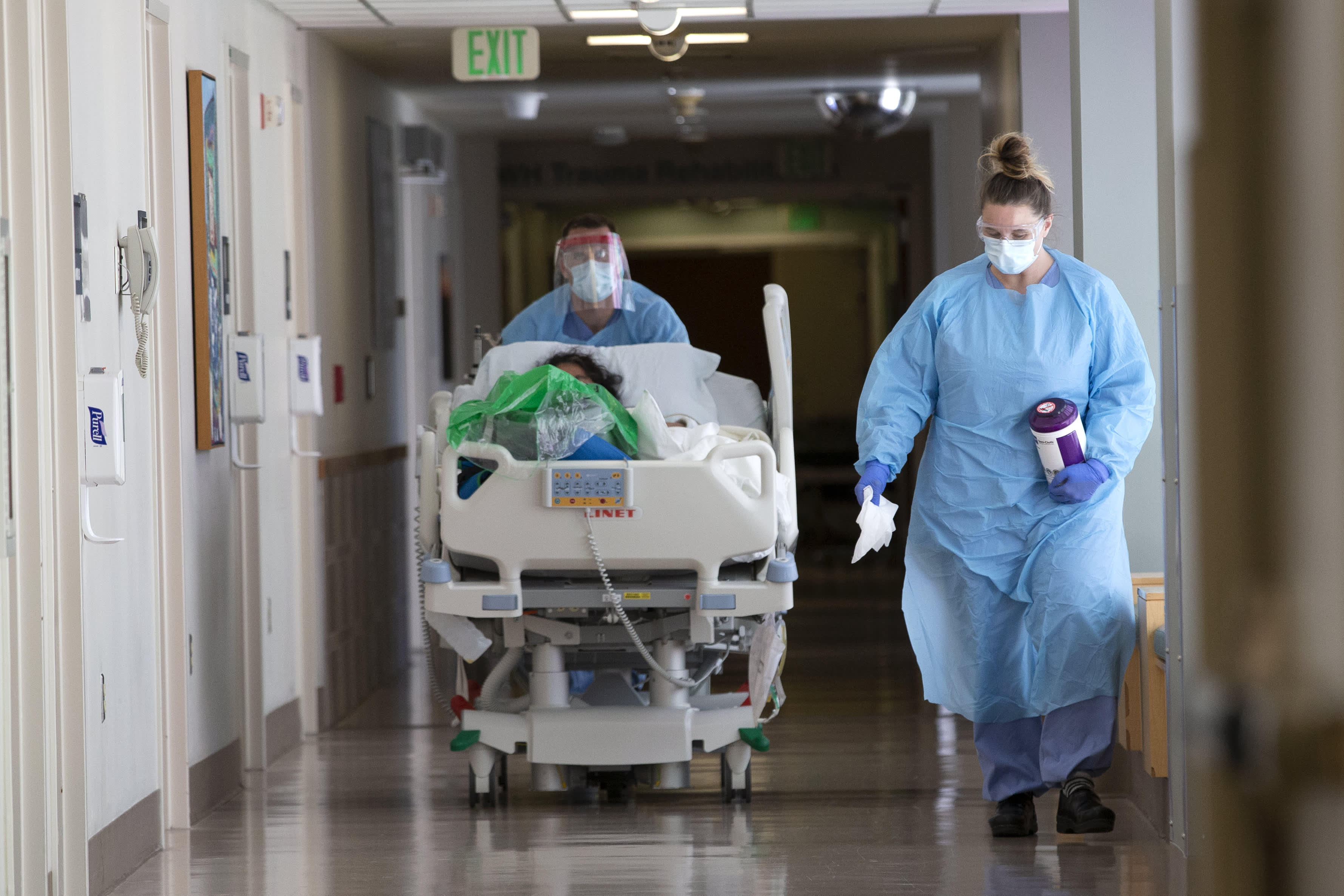
An infection control nurse accompanies a patient who was born on Jan.

Karen Ducey | Getty Images

Covid-19 transmissions and hospitalizations in Washington state are at all-time highs, according to the state’s Department of Health.

On July 8, Washington recorded a Covid infection prevalence of 1 in 588 residents. Just one month later, on August 6, that number almost quadrupled to a Covid infection prevalence of 1 in 156 residents, the department said on Thursday. The latest numbers exceeded those of the state’s third wave of Covid infections in the winter of 2020.

According to a CNBC analysis of data from Johns Hopkins University, Washington state reports a seven-day average of 38.5 daily new cases per 100,000 population, ranking 22nd among all states.

Four counties had 14-day new infection rates of 500 per 100,000 Washington residents and five counties had rates of 300 to 500 per 100,000 residents. Sixteen counties had rates from 200 to 300 and 12 counties had rates from 100 to 200. The delta variant accounts for 98% of the cases in the state.

Hospital admissions in the state also rose, with a seven-day moving average of 29 hospital admissions for Covid on June 16. The number remained relatively low through July 8, but tripled by August 6 to a seven-day moving average of 96 hospital admissions for Covid symptoms. The state found that hospital admissions for people between the ages of 20 and 30 have increased, a trend seen in hospitals across the country as most older Americans were vaccinated.

Admissions to state hospitals for the unvaccinated and over 65s are six times higher than for those who are fully vaccinated. In people aged 16 to 64, unvaccinated people are ten times more likely to be hospitalized than their vaccinated counterparts. “If the entire population were to experience the hospitalization rates currently observed in unvaccinated people, the hospital system would be completely overwhelmed,” the state health department said in a statement.

Death rates have been down since Jan.

Immunity to prior infection in the state is only 15.5%, which would leave 84.5% of Washington residents unprotected if they did not have access to Covid-19 vaccines. According to the Ministry of Health, by August 16, 71.5% of the population aged 12 and over had received at least one dose of a Covid vaccine.

In the nationwide population, immunity to previous infections and vaccinations is 54.7%, an increase of only 2.8% since July 6.

“It is imperative to realize that literally any of us or our loved ones could be in need of hospital treatment in the near future,” said Acting State Science Director Dr. Scott Lindquist. “To ensure that care is available when needed, our hospitals are currently counting on each of us to be masked and vaccinated.”

CNBC’s Nate Rattner contributed to this report.

This is find out how to save a historic dwelling when you restore it

0
This is find out how to save a historic dwelling when you restore it

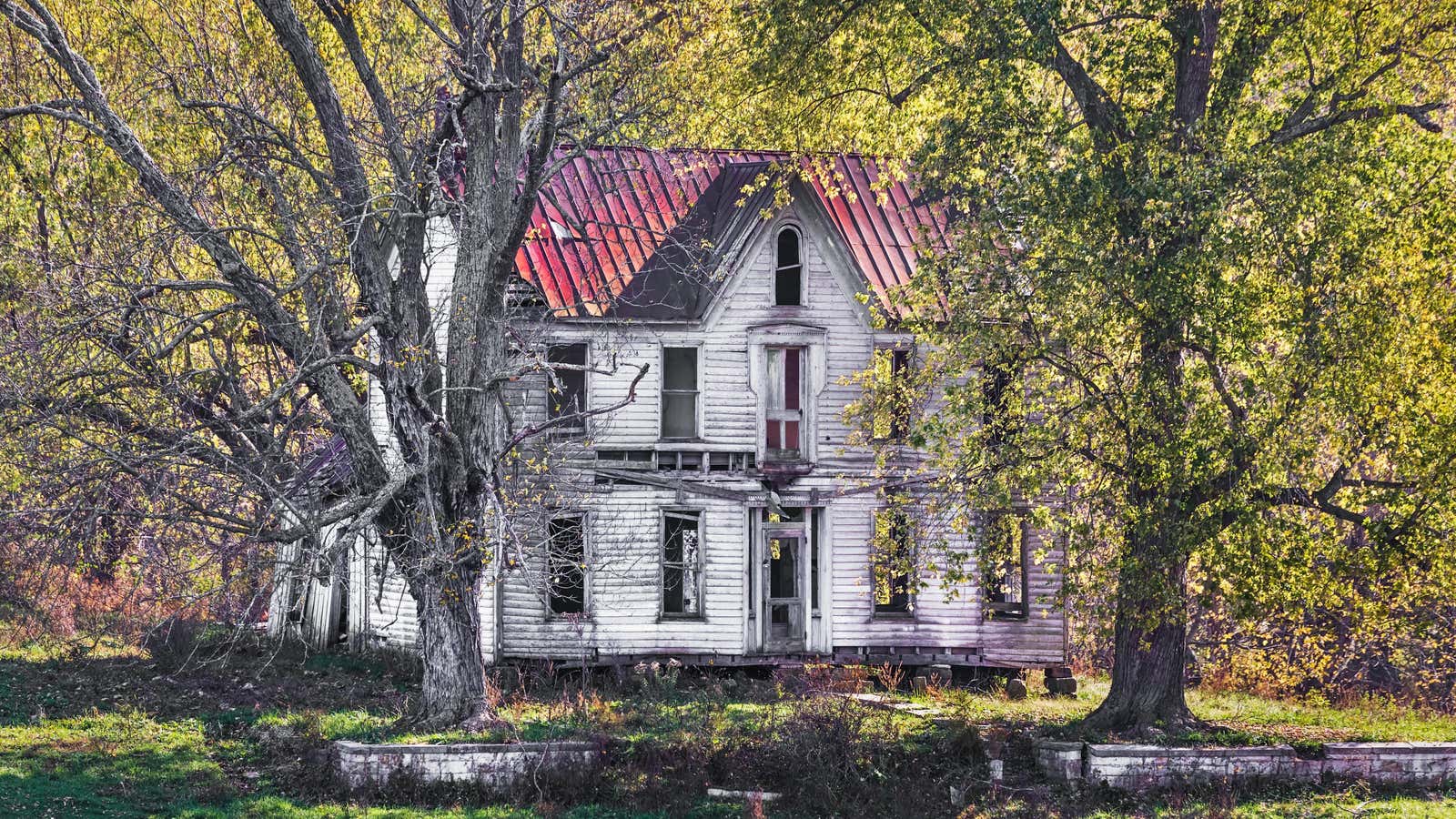
Image for article titled How to Save a Historic Home While Living (Technically) Rent Free

Photo: Kenneth Keifer (Shutterstock)

Spending so much time at home during the pandemic has caused many people to rethink how and where they live. It can be hard to justify the high cost of renting a small apartment in a city when most of the attractive parts of city life (bars, restaurants, museums, drag shows, socializing in general, etc.) are off the table.

Unfortunately, not everyone has the money – or the ability to muster the time and effort – to pack, move to the country, then buy an old house and lovingly restore it. However, if you have the opportunity to invest the time and effort into restoring an older home to its original splendor, you might be interested in becoming a home curator.

In one Contribution to The Escape Home newsletter, Danielle Hyams explains what this arrangement entails, including the cost of living on a property that is often advertised as “rent free”.

What are Resident Curator Programs?

Offered primarily in eastern states like Massachusetts, Connecticut, Vermont, Delaware, Virginia, and Maryland, resident curator programs are public-private partnerships that aim to preserve historic homes and buildings that are unlikely to be eligible for restoration would receive the necessary funds and would otherwise be left empty.

G / O Media can receive a commission

“The programs work in such a way that local curators – who can be individuals or commercial and non-profit organizations – receive a long-term lease on a publicly owned historic building in exchange for the restoration of the property and ongoing maintenance.” Hyams writes.

Is it really “rent-free” living?

Although many people are drawn to the idea of ​​rent-free living (or low rent payments), Hymans emphasizes that there is a cost to participating in resident curator programs. This is also something that varies depending on the location of the property.

For example, Massachusetts homes have leases between 10 and 50 years, during which time resident single-family home curators typically spend between about $ 500,000 and $ 1 million on restoration and upkeep. In Virginia, where leases range from 10 to 20 years, resident curators spend an estimated $ 150,000 to $ 400,000. Hyman reports.

While the on-site curator programs may not be feasible for many people, they provide once-in-a-lifetime opportunities for those interested in preserving historic buildings for future generations.

A First-Time Purchaser’s Journey: four Below $ 2 Million Massive Unit ECs, Cash Information

0
A First-Time Purchaser’s Journey: four Below $ 2 Million Massive Unit ECs, Cash Information

My search for a multigenerational home took an interesting turn last week when I started considering Executive Condominiums (ECs), a real estate segment that I didn’t even know existed before I started this apartment search!

In last week’s article, I listed 13 EC evolutions that were less than 400 units and larger units (over 1,900 sq ft in size), and this week I decided to narrow my search to the evolutions among the 13 that are currently Units over 2,000 sq. have ft listed for sale under $ 2 million (at the time of writing, at least. Property is moving fast in 2021!).

This narrowed my search to the following four executive condos:

  1. Heron Bay
  2. The dew
  3. The Esparis
  4. Windermere

For those whose budget can exceed $ 2 million, I’ve rounded up all of the EC developments (less than 400 units) that have penthouse sales listings currently available (if you’re wondering why I’m only looking at penthouses (This is because ECs are very popular with families with young children, and not having a neighbor upstairs is the only way to avoid little feet rattling over my head):

Note: Some ECs charge additional fees if you need a parking space and for the use of facilities, so ask the agent before buying!

For example, Windermere charges a fee for using the barbecue area, while The Esparis charges a fee for booking the tennis court.

A First-Time Purchaser’s Journey: four Below $ 2 Million Massive Unit ECs, Cash Information

I have to admit, I had a pretty good idea of ​​these ECs in my head before going to any of the sessions.

After watching dozens of YouTube videos and researching the properties online, I just knew The Esparis was going to be great, followed by The Dew and finally Windermere.

After all, The Esparis only has more than 200 units (it’s tiny for an EC), uninterrupted views of the Sea Shell Park greenery (for certain units, plus a staggering amount of indoor / living space (relative to total square footage) so how could it not be the best of all?

In fact, I was so confident about The Esparis that I planned to dedicate my next article to a full review! But I learned from it not to judge a book by its cover, as Windermere was ultimately my favorite development.

The Esparis

The Esparis and I didn’t really get off to a great start.

I found the drive to The Esparis to be quite stressful as there was a lot of construction and traffic even on the weekend, which made me wonder how bad the traffic would be during peak hours (assuming we ever work full time from the office again, that is ).

Of course, this could have been an isolated incident, but I couldn’t help but think that it might be because of the construction of the Pasir Ris East MRT station, which is part of the Cross Island Line and is due to open in 2030.

(So ​​only eight to nine years to build!).

Additionally, The Esparis is in a fairly built-up area with high-rise buildings all around, so despite its proximity to Sea Shell Park, it felt a bit claustrophobic (compared to other developments like Windermere).

I was really shocked to find out the property is roughly 150,000 square feet as it felt like it was less than half the size.

old

A good driveway is a must in my book, and the inflection into The Esparis was manageable but a bit narrow – I can’t understand why management didn’t just move the planters out a little to widen the curve!

That said, The Esparis has a lot of pluses as you can see in the very long “What I Like” section below.

ALSO READ: Ultimate List of 23 HDB Executive Maisonettes: Location, Price, Size & Are They Worth Buying?

What I like:

  • Several blocks overlook the Sea Shell Park and thus have an unobstructed view of the greenery (namely stacks 14, 15, 20, 21, 26 and 27). Since Sea Shell Park is not a very famous park, you don’t have to worry about people gathering under your windows, staring into your unit and making a lot of noise. Additional bonus: the units facing the Sea Shell Park do not get the western sun!
  • The duplex penthouse here has the largest indoor living space (in relation to the total area) that I have seen so far on a ground floor: there is only one balcony / roof terrace (on the second floor) that is large enough to be functional ( i.e. you can put a living room or dining room on top) but it’s not so big that it feels ridiculous. In addition, the outside area is rectangular so you don’t lose space in strange non-working corners.
  • The bedrooms (en-suite) on the upper floor of the duplex penthouse are designed in the shape of a dumbbell, which allows maximum privacy and the space in between is large enough to be a study, another bedroom or a family room.
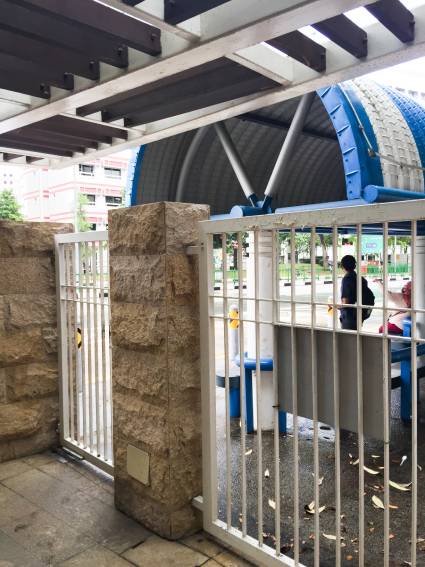
  • There is a back gate that will take you straight to the bus stop. (However, since there is little set back between the blocks and the fence, the units at that end of the blocks would be making some street noise.)old
  • Very spacious, rectangular living-dining area: there is even space for my six-seat dining table and my piano!
  • A decent yard for the laundry
  • Large windows (in some units the full length) make for nice and bright units.
  • Windows in the stairwell, kitchen and bathroom provide the much-needed ventilation.

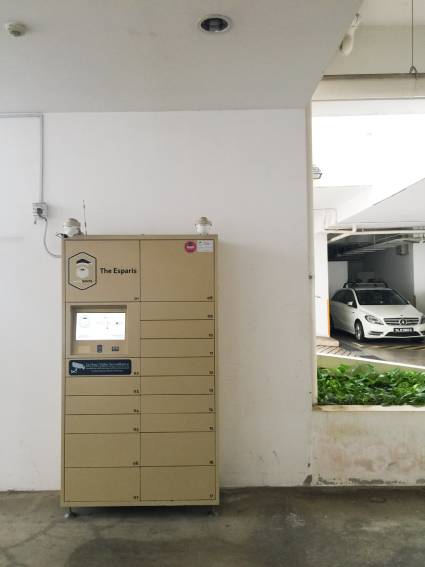
The development has its own Parcel Santa machine which makes online shopping easier (maybe this should be listed in the Cons section as it would be bad for my wallet?)

old

  • A well-planned parking lot (except for the turn-in): Unlike recent developments, there are visitor parks and these are divided into sections that are between the lobbies so your guests don’t have to walk too far for you. (In some settlements, all visitor parking spaces are grouped into a god-forbidden section of the settlement, resulting in a long hike to the blocks.)
  • As with most government developments, amenities are close by. There is a community center right outside the door and a giant supermarket about 150 m away.

ALSO READ: 4 Reasons HDB Upgrades Prefer Executive Condos Over Private Condos

old

  • A very well thought-out architect: The Esparis penthouses have many small details that make life much more pleasant and enjoyable, such as a skylight over the entrance foyer for natural light and sloping windows under the bay windows that allow you to ventilate your apartment, when it rains without water getting into the apartment! The height of the bay window (in the penthouse) also makes it perfect for a tea counter or shelf – in fact, I couldn’t even tell it was a bay window at first! (Note: I also checked out a non-penthouse unit at Esparis and the section under the bay window is just the normal solid wall, meaning no sloping window to let air in.)

Meh points:

  • The Esparis is a relic from the beloved Singaporean era of air raid shelters and bay windows.
  • There are five to six units per block, so it can be louder. (Two elevators per block of 10 floors each. Dew and Windermere, however, only have four units per block.)
  • There is only one lane for visitors and residents, so depending on the number of residents driving, there may be traffic jams at the entrance.
  • It’s right next to a temple – I’ve never stayed next to one, but I’ve heard that life near a place of worship can be, say, less quiet The other neighbors, as mentioned above, are high-rise buildings (and nearby), which makes the site of the development feel much more cramped than it actually is.
  • Standard Penthouse Ceiling Heights: Most penthouses have the bonus of above average ceilings (which don’t count towards your square footage unless it’s a double volume unit).

The grounds and facilities are showing their age: some painting, etc. wouldn’t hurt.

ALSO READ: EC vs. Resale Apartment: How Much More Can You End Up Paying?

old

All in all I would say the duplex penthouse at The Esparis is a very, very reasonable apartment with good bones that would be perfect for a family that wants to live in the east and needs lots of space. Unfortunately, due to the heavy traffic and the fact that my mother works in Jurong, I am not convinced this is the right place for us.

The dew

From the east it goes straight through Singapore to the west of Singapore, as The Dew is in Bukit Batok. The Dew has even fewer units than the Esparis – in fact, it has the lowest number of units of any EC.

old

(There are only three ECs with fewer than 300 units – The Dew, The Esparis, and Nuovo.) The 248 units are spread over two 16-story blocks on 122,773 square feet of land, so some of the penthouse units have decent views.

What I like:

  • The Dew is the most exclusive and private ground floor with the fewest units (only 248).
  • The living room has a high ceiling, making it appear more spacious. (If, like me, you’re into the great feeling of having a high ceiling.
  • There is no shortage of amenities: there is a 24-hour Giant and NTUC within five minutes (and Sheng Shiong within 10 minutes).
  • You’re only two bus stops from Bukit Batok MRT (and West Mall) – I grew up in the west so this is a familiar area to me!
  • It is also located next to the Ulu Pandan Park Connector which will take you all the way to Buona Vista.
  • There are large windows so the units are bright.
  • Windows in the kitchen and bathroom reduce the risk of mold – so far this has been the case in all ECs that I have checked out, in contrast to the completely private condominiums!

ALSO READ: Is An Executive Condo Still Worth It: An Analysis of 53 ECs

Meh:

  • The Dew is right next to a primary school. (Although this is probably a benefit if you have kids this age – I was told that Keming Primary School is one of the top 60 elementary schools in Singapore and the best in Bukit Batok – for me it means going to Majulah Singapura every morning hear, five days a week, which is not my idea of ​​rest (noise wanders up.)
  • The Dew Penthouse has a ridiculous number of open terraces – I counted four! While I like the outdoors, the fact that a 2,420 square foot unit at The Esparis has four bedrooms (with the option of building a fifth) while the Dew only has three bedrooms is very revealing.
  • Additionally, all units in The Dew are triple, so the main difference between a “normal” unit and a penthouse unit at The Dew is that the penthouse has more outdoor space, has a high ceiling and is a maisonette. While my article views condos as homes (not an investment), this rings some alarm bells in my head (regarding the effects of reselling).
  • Additionally, while the numerous balconies are nice and rectangular, the living-dining area looks more like an oddly shaped Tetris block (Note: the 1862 sf penthouses have more efficient floor plans with a rectangular living-dining area but no high ceiling.)

old

  • There is an air raid shelter, but thank goodness no bay windows.

While I haven’t been able to find a property to shortlist this week, I hope the reviews from The Dew and The Esparis will help you with your apartment search.

ALSO READ: 4 State Real Estate Outlets To Look For In 2021

This article was first published in Stackedhomes.

Pentagon orders US airways to fly evacuees out of Afghanistan

0
Pentagon orders US airways to fly evacuees out of Afghanistan

Secretary of Defense Lloyd Austin has ordered US commercial airlines to provide aircraft to expedite evacuation efforts from Afghanistan, the Pentagon said on Sunday.

The planes would not fly to Kabul, but would be used to transport those who have already been flown out to military bases in Europe and the Middle East. That would allow military aircraft to focus on operations in and out of the Afghan capital, the Pentagon said.

The Ministry of Defense activated the Civil Reserve Air Fleet, a nearly 70-year-old program created during the Berlin Airlift to support commercial airlines in a “major national defense emergency”. It is the third time that the CRAF has been activated. It was previously used in the early 1990s and early 2000s during the Iraq wars.

Activation applies to 18 aircraft: three each from American Airlines, Atlas Air, Delta Air Lines and Omni Air; two from Hawaiian Airlines; and four from United Airlines.

The first United Airlines flight under CRAF took off on Sunday from Frankfurt-Hahn Airport to the Al Udeid Air Force Base in Qatar.

“The CRAF activation provides the Department of Defense with access to commercial air mobility resources to aid our State Department assistance in evacuating US citizens and personnel, special immigrant visa applicants, and other vulnerable individuals from Afghanistan,” Pentagon press secretary said John Kirby in a statement.

Foreign Minister Antony Blinken spoke to Bahraini Foreign Minister Abdullatif bin Rashid al-Zayani on Sunday and expressed his gratitude to Bahrain for the government’s humanitarian assistance in facilitating the safe transit of US citizens and evacuees from Afghanistan.

The US withdrawal from Afghanistan, announced earlier this year by President Joe Biden, has been ravaged by chaos. Thousands of people flooded Kabul airport, some falling to their deaths after holding onto the outside of a U.S. military plane in desperate attempts to leave the country after the Taliban took over the city and secured control of the country last week had.

Seven Afghan civilians were killed trying to enter Kabul airport, according to an Associated Press report.

US Defense officials say the military is looking for alternative ways to get Americans, Afghans and third-country nationals safely to the airport in Kabul after threats from the Islamic State, NBC News reported on Saturday.

“The department does not expect this activation to have a major impact on commercial flights,” said Kirby.

United Airlines said it will use four of its 350-passenger Boeing 777-300 aircraft for the CRAF order. The Chicago-based airline said it is still gauging the impact on its operations but that it will likely be minimal.

United’s flight attendant deals on CRAF flights began Saturday, according to a statement from their union. Crews receive an additional payment for these flights.

U.S. airlines have used some of their largest aircraft for domestic flights, with international travel demand still falling sharply due to the Covid-19 pandemic.

“We take on a responsibility to respond quickly to international challenges like these and to use our expertise to ensure the safe travel of our compatriots and those who risked their lives to ensure their safety,” United said in a statement.

Delta said it will “have several relief flights arriving in the United States starting Monday morning.” The airline said it was deploying replacement aircraft and commercial flights were not currently affected.

American Airlines announced that it will be using three wide-body aircraft for CRAF from Monday.

“American will work to minimize the impact on customers as the airline temporarily takes these aircraft out of our operations,” it said in a statement. “The airline values ​​customers’ patience and understanding when it comes to accommodating flights.”

Atlas Air, a cargo company and one of the airlines that fly for Amazon’s Air Force, regularly provides air transportation to the U.S. military. The company’s passenger fleet includes Boeing 747-400 with 374 passenger seats and 767-300 with 215 passenger seats, according to its website.

“We are doing as much as possible to provide the much-needed capacity to support the evacuation effort,” said an Atlas spokeswoman.

U.S. airlines volunteered planes earlier this week to assist with evacuation efforts, according to people familiar with the matter. The Pentagon did not immediately comment on whether it would consider expanding the program beyond the 18 commercial aircraft.

The perfect methods to make use of your outside backyard to embellish your private home

0
The perfect methods to make use of your outside backyard to embellish your private home

Image for the article titled The Best Ways To Use Your Outdoor Garden To Decorate Your Home

Photo: Symonenko Viktoriia (Shutterstock)

One of the perks of having a garden or living with access to wildflowers, plants, and trees is the ability to spend time outdoors surrounded by all kinds of greenery.

But why should you limit your enjoyment to the amount of time you are outside? Try botanical decor. In an article for BobVila.com, Craft and gardening expert Debbie Wolfe shares some indoor decorating options with plants, flowers and herbs from your outdoor garden. Here are a few.

Fresh garlands

There are many ways to use garlands – as table runners, on coats woven into the spindles of a staircase – and if you have your own greens (and the time) it’s pretty easy to make your own, according to Wolfe, who it is also the author of Do-it-yourself garden projects and handicrafts and Crafting with herbs.

Here are Wolfes instructions for a DIY fresh garland:

Bundle green plants such as herbs and leaves from trees and shrubs first and secure each bundle with a green rubber band or floral wire. Use dried flower heads or fresh flowers for the color and bundle them up as well.

Cut some jute or cotton cord and place it on a table. Make it longer than you think you’ll need – it’s easier to trim off any excess length. Leave a 6 inch piece of twine on each end. Add a bunch of greens starting at one end. Secure it to the string with floral wire.

Next, add the bunch of flowers followed by a bunch of greenery. Alternate the bundles as you walk to the end of the string. Spray the garland with water daily to keep it looking fresh.

G / O Media can receive a commission

Dry herbs

Not sure what to do with all the herbs that grow in your garden (especially in autumn)? Wolfe suggests Put them together in bundles – keep in mind that they will shrink to half their size as they dry – with an elastic band and / or string and hang them with the string side up. The decor also doubles as a useful way to dry out your seasonal herbs.

Natural wreaths

Like the garland, DIY wreaths made with materials from your garden are a great way to bring the outdoors inside. Wolfe provides detailed instructions on how to make your own natural wreath in her article.

Melissa McBride offers an replace on Daryl & Carol’s TWD spinoff

0
Melissa McBride offers an replace on Daryl & Carol’s TWD spinoff

We accepted the fact that nobody is safe on The Walking Dead.

However, when we go into Part A of Season 11 and Final Tonight, August 22nd, we will worry about our favorite characters. So in an exclusive chat with the longtime Walking Dead star Melissa McBride, we asked bluntly: Can viewers expect a lot of bloodshed this season?

“I think you should always be concerned about your darlings,” she laughed to E! News. “Even I worry about her.”

Of course, in typical TWD fashion, McBride couldn’t say much about what’s to come as spoilers are strictly under lock and key at AMC. However, we are confident about the fate of McBride’s character Carol. Why? Well, because AMC has announced a spin-off set for 2023 with McBride and Co-Star Norman Reedusplaying the crossbow wielding Daryl.

While we certainly look forward to this new series, McBride has made it clear that it will focus on this final chapter of The Walking Dead.

How to decide on the fitting face masks in your subsequent flight

0
How to decide on the fitting face masks in your subsequent flight

Image for the article titled How To Choose The Right Face Mask For A Flight So You Don't Get Turned Away

Photo: Horth Rasur (Shutterstock)

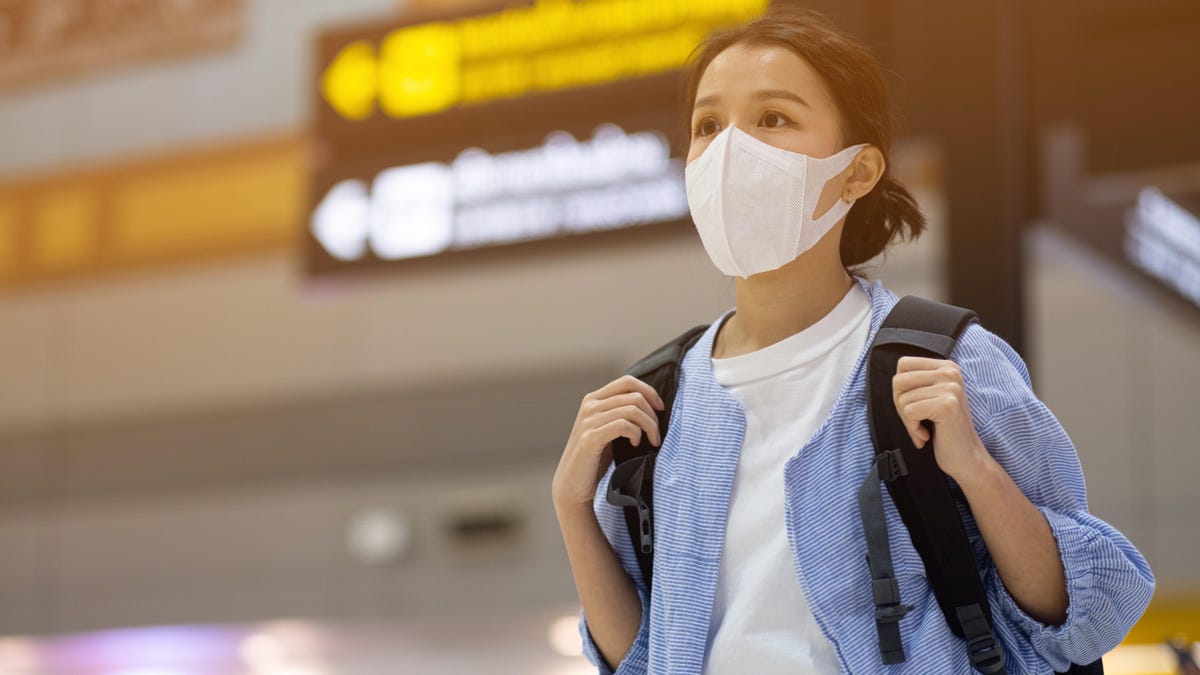
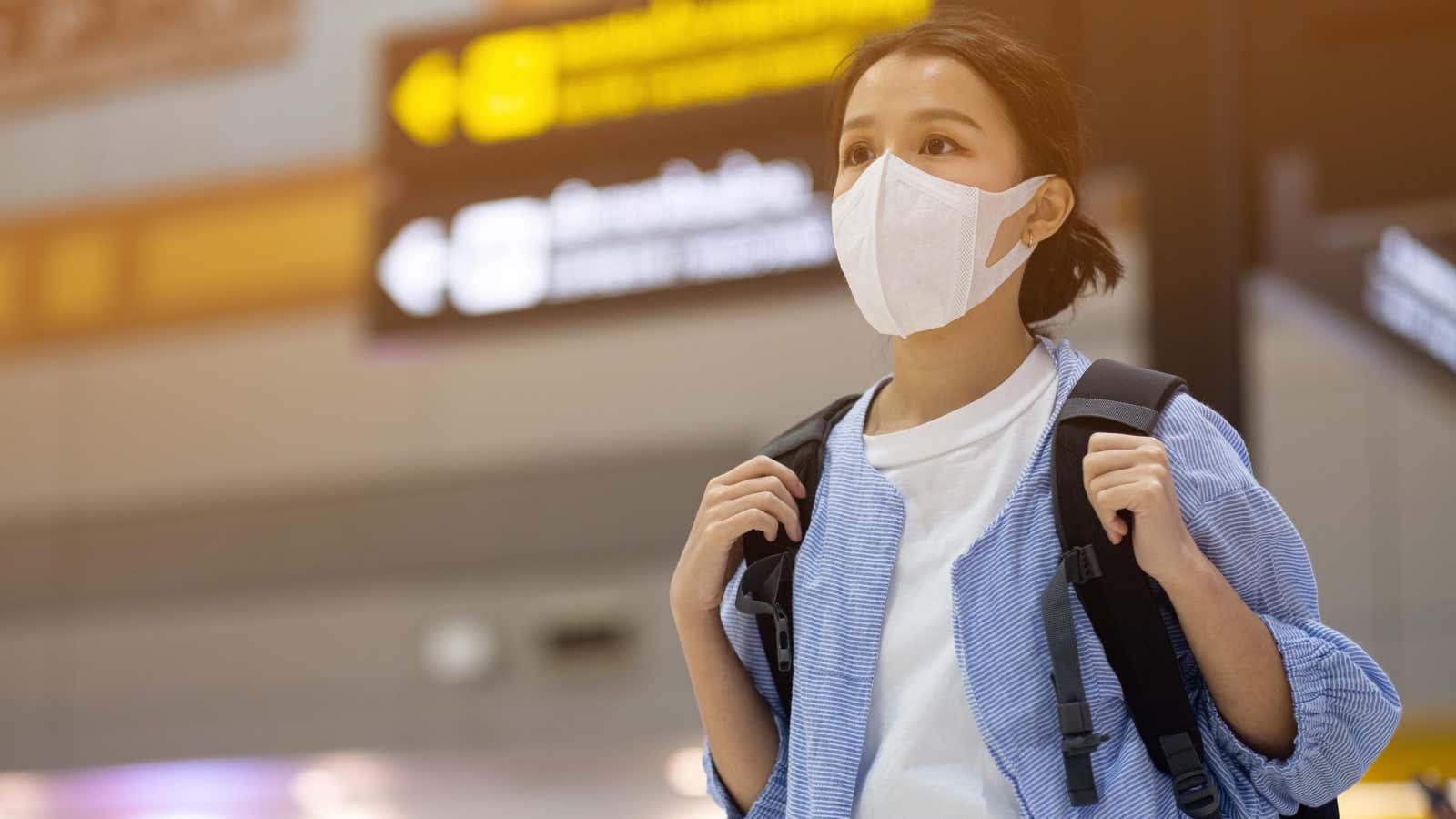
Face masks have now become an indispensable travel accessory. Even in the few months that the Centers for Disease Control and Prevention (CDC) guidelines on indoor use of face masks were relaxed, they were always required on flights. Given a variant that is more easily transferable than the previous ones (Delta, not the airline), several airlines are placing stricter requirements on the face masks worn on their flights.

Now the last thing you need to do is show up at the airport and get rejected from your flight because you have the wrong type of mask. These rules are always changing, but here’s what we know now, courtesy of an article by Alison Fox in Travel + Leisure.

Face masks on flights will be around for a while

Earlier this week, the Transportation Security Administration (TSA) extended the current federal mask mandate by January 2022. This means that face covering is required on all public transport, including airplanes and airports. And of course there is always the possibility of a further extension beyond January 2022.

Airlines that now have stricter rules on face masks

Here’s a breakdown of what we’ve heard so far from a few different airlines about mask requirements:

  • Delta Airlines prohibits bandanas, scarves, masks with exhaust valves and all masks with slits, holes or holes
  • United Airlines prohibits bandanas and requires wearing a real face mask – not just a face shield
  • southwest prohibits bandanas, scarves, ski masks, balaclavas and single-layer masks
  • American Airlines prohibits balaclavas, bandanas, exhaust valves, scarves and gaiters
  • JetBlue prohibits masks connected to hoses or battery-operated filters
  • Hawaiian Airlines prohibits scarves, ski masks, balaclavas and bandanas
  • Finn Air bans fabric face masks and now only accepts surgical masks, valve-free FFP2 or FFP3 respirators and N95 masks
  • Air France bans cloth masks and masks with exhaust valves and requires medical masks
  • Lufthansa bans cloth masks and masks with exhaust valves and requires medical masks
  • LATAM Airlines Bans cloth and reusable face masks on domestic flights within Chile and requires three layer surgical masks, KN95 or N95 masks. International passengers connecting in Lima must also wear face masks – even if they never get off the plane

G / O Media can receive a commission

Regardless of the airline, at this point it is a good idea to check their masking requirements on the day of your flight to be on the safe side.

Filipino-American faculty college students’ psychological well being suffered throughout Covid

0
Filipino-American faculty college students’ psychological well being suffered throughout Covid

When Covid-19 cases soared nationwide during the first few months of the pandemic, Amelia Catacutan said that her mental health was at an “all-time low.”

Catacutan, a Filipino-American college student entering her sophomore year at the University of Wisconsin-Madison, said it was hard to cope with the social isolation, virtual learning environment and anxiety over her family’s well-being plus the rise in anti-Asian hate during the pandemic.

As she adapted to this new reality, Catacutan said she felt like she was being crushed by more and more stress and anxiety piling on top of her, making it difficult to express her emotions and go about her daily life.

Amelia Catacunan, a sophomore at the University of Wisconsin-Madison

Source: Ciboney Reglos

Catacutan was not alone in experiencing mental health struggles. Nearly half (46%) of Asian-Americans reported anxiety during the pandemic and 15% reported depressive symptoms, according to a Stop AAPI Hate survey.

But another survey conducted by the UC Davis Bulosan Center for Filipino Studies during the first half of 2020 indicates that the pandemic may have had a higher impact on the mental health of Filipino-Americans in particular.

The Filipinx Count Survey found that 81% of Filipino-Americans reported anxiety during the pandemic and 73% experienced depression.

For Filipino-American college students, there were a lot of factors that took a toll on their mental health.

 “The pandemic was just a recipe for disaster for so many Filipino-American students,” said Christine Catipon, a licensed clinical psychologist in Los Angeles, who works with college students. “They had to balance family duties and working on top of a more rigorous learning environment, like every student did, but also had stressors like moving back into a multigenerational household with intergenerational conflict, cultural pressures, fears about their family’s well-being as health workers and more,” Catipon said.

Family members on the front lines

Catipon said many of her clients had heightened anxiety about family members who were health-care or essential workers during the pandemic. She noted that they had a “constant fear” of those front-line family members contracting the virus.

This was true for Catacutan. She said one of the major sources of her mental health struggles during the pandemic was having parents who worked as health-care workers in the Covid units of their respective hospitals.

Filipinos make up a large portion of the health-care industry in the U.S., with 4% of registered nurses nationwide being Filipino, according to a 2020 report from National Nurses United. During the pandemic, nearly 32% of registered nurses in the nation who have died of Covid-19 and related complications were Filipino, the report said.

More from College Voices:
College graduates are struggling to make up for the ‘lost year’ created by the coronavirus pandemic
Why Black and Latinx women are more likely to struggle with impostor syndrome—and how to overcome it
Women in STEM: 3 Challenges we face ̶ and how to overcome them

Catacutan said this disproportionate impact of the pandemic on Filipino health workers brought her a substantial amount of stress and anxiety. With her parents working on the frontline, she said she worried tirelessly about their safety, was left to take over household responsibilities and even decided to quit her part-time job at a local restaurant.

“I had to put a lot of things on hold, like my job, just to make sure that I wasn’t risking their safety even more and that I could take care of the house,” Catacutan said.

But Catacutan said her decision to quit her part-time job was also due to heightened anxiety over the rise in hate towards Asian-Americans and Pacific Islanders, or AAPI, during the pandemic.

Racism targeting Asian-Americans is nothing new in the U.S. There were actually federal policies that barred immigration from Asia until 1965. But inflammatory political rhetoric about the coronavirus, such as the term “China virus,” prompted a surge in hate crimes against AAPI during the pandemic, according to Stop AAPI Hate.

For example, Anti-Asian hate crimes in 16 of America’s largest cities increased by nearly 150% in 2020, according to data collected by the Center for the Study of Hate & Extremism at California State University, San Bernardino. The data also indicated that the first spike occurred in March and April, the outset of the Covid pandemic when the harmful rhetoric first proliferated.

Catacutan said the rise in AAPI hate stoked anxiety about her own safety, which played a role in her decision to quit her part-time job.

“I had people who refused to touch me when I worked because they were scared that I carried the virus. It was really hurtful and felt really, really othering,” Catacutan said. “I ended up quitting, partly because the industry was a bit slow, but also because I was starting to receive racial remarks. I didn’t feel safe.”

The stress of moving back home

Catipon, who works with college students, noted that many of her Filipino-American clients experienced a decline in their mental health after moving back home with their family during the pandemic.

Catipon said when students go home, they may encounter intergenerational conflict with their immigrant parents, which refers to a disparity in values between different generations.

For example, some Filipino immigrant parents may have differing beliefs about racial issues, an over-emphasis on academics, or may be prone to unsolicited comments about their child’s appearance and life, she said.

This was the case for Carolene Ulep, a rising fifth year at Texas Tech University, who said her mental health worsened after sheltering at home with her family during the pandemic.

Ulep pointed to “toxic” Filipino family dynamics, recounting a time when her dad made unsolicited comments about her appearance. While Ulep said her dad did not intend to hurt her, she said his comments stuck with her long after.

“When he makes those kinds of comments, or when my mom makes comments about things I should be doing when I already have so much on my plate, I start thinking that I can do so much more. But in reality, I can’t,” Ulep said. “So, it’s difficult because I feel pressure to please my parents about these things, but at the same time, I know it’s my life.”

Carolene Ulep, a fifth year student at Texas Tech University

Source: Ashley Parker

Ulep added that Filipino family dynamics also include showing the utmost respect to elders, which leaves her unable to correct her parents when they make hurtful comments.

Roy Taggueg, the author of the Filipinx Count Survey and a Ph.D. student at UC Davis, also underscored the academic pressures that Filipino-American college students face when they move back home, and how it impacts their mental health.

“The pandemic puts students under really intense scrutiny of their parents when it comes to school since many had to go back home,” Taggueg said. “Students get stressed trying to meet their parents’ expectations to do well, and it goes back to the whole idea of ‘utang na loob.’”

“Utang na loob” is a Filipino cultural value that translates to “debt of gratitude.” Taggueg said it describes when Filipinos feel a sense of debt towards their family members who have made sacrifices for them, such as bringing them to the U.S. from the Philippines, raising them and supporting them throughout their lives.

Catacutan said she felt this pressure to excel academically and to “make her parents proud.” She said it caused her to push herself to the extreme when it came to school and increased her mental stress as a result.

“My parents are both immigrants and they both came here from the bottom up. A big part of the pressure comes from feeling so grateful for them so that you feel like you have to spend all of your time accomplishing just so you can pay them back for everything – all the opportunities that they gave you,” Catacutan said.

“And it’s a constant drive from both them and myself to keep going and going. And I never really learned how to take a break, I just get too busy trying to attain the most,” Catacutan continued.

“Sometimes we think that’s what’s healthy for us and it’s not at all.”

No social outlet

Catacutan also said the pandemic left her with “no outlets” to relieve the heightened mental stress from school, pointing to the lack of social interaction.

This was a trend that Catipon, who works with college students, noticed among her own Filipino-American clients. She said for many students, socializing and spending time with peers served as a “respite” from stressors in their lives.

When pandemic shutdowns across the nation cut off the social lives of students, Catipon said their mental health issues were amplified and they were left with no way to cope with new stressors from the pandemic, such as the rise in AAPI hate and fears about their health-care worker parents contracting the virus.

This was true for Jolene Soriano, a rising junior at the University of Michigan, who said social isolation led to a decline in her mental health.

“The pandemic forced me to be in my room alone with my own thoughts a lot,” Soriano said. “I found that to be a very scary thing, because a lot of thoughts were not the greatest and the pandemic really brought out my feelings about the stressful things in my life.”

Jolene Soriano, a junior at the University of Michigan

Source: Kristina Mallabo

“There were plenty of moments during my second semester where I was so overwhelmed with everything,” Soriano continued. “Sometimes I would set off into a crying fit, or I’d start hyperventilating, and then it would feel like a downward spiral.”

Like Soriano, Ulep said her mental health reached a “low point” during pandemic shutdowns that left her unable to socialize with her peers.

She said social isolation led to loneliness and a significant loss in motivation, which became detrimental to her academic performance.

“I was so used to seeing my classmates and friends during school. Being in lockdown just made me really, really sad and unmotivated,” Ulep said. “I just had no sense of responsibility and I didn’t try my best or get the best grades.”

Prioritizing mental health

While Soriano’s mental health undoubtedly took a hit during the pandemic, she said she now feels “more in tune with it” as she prepares to return to in-person classes in the fall.

“As opposed to just ignoring the problems like I did before, the pandemic has forced me to really look at and prioritize my mental health,” Soriano said. “And as we go back to some sense of normalcy, I’m definitely more aware of it, and trying to make sure I’m taking care of myself in that regard.”

This represents the broader change that Taggueg said needs to occur within the Filipino-American diaspora.

Taggueg said many Filipino-Americans and Filpinos still don’t regard mental health as an issue.

“We have been categorized to be a quote-unquote ‘perfect’ migrant in the U.S. that doesn’t cause problems, that adapts to hardships and does what’s needed because we want to work hard,” Taggueg said.

“That outlook has been shaped by the history of colonialism in the Philippines and has been used by generations of Filipinos to make sense of the world. And when it comes to mental health, it doesn’t fit into that world,” he continued.

However, Taggueg said organizations like the Bulosan Center are making progress in researching and raising awareness about mental health issues among Filipino-Americans.

Resources to help

There are several resources available for Filipino-Americans struggling with their mental health, including the Asian American Psychological Association’s Division on Filipinx Americans. The organization promotes awareness of Filipino-American mental health and provides services such as therapy referrals.

The Filipino Mental Health Initiative of San Francisco is another resource that provides services for Filipino-Americans and aims to destigmatize mental health issues. While they are based in Northern California, they provide resources such as a free suicide hotline with trained and experienced counselors, in-person or virtual wellness workshops and “Mental Health First Aid” training in English and Tagalog, the national language of the Philippines.

Catipon recommended that college students of all backgrounds who are struggling with their mental health utilize the resources available on college campuses, such as counseling centers.

For those who are apprehensive about seeking counseling or therapy, Catipon encouraged attending workshops or peer mentoring groups within their local community.

Catacunan said that she is hoping to re-establish her “boundaries surrounding school” and focus on balancing her wants and needs.

“As stressful as school and navigating my professional life is, it isn’t everything. I want to reinvigorate my love for myself, my hobbies and the people and places around me,” Catacunan said, adding that it is important for college students to prioritize their mental health.

“There’s a reason students are considered ‘part-time’ or ‘full-time’ — being a student is a physically, mentally and emotionally draining job and sometimes we gloss over the fact that we are doing our best, especially in this altered society,” Catacunan said.

“You know your needs better than anyone else and listening to them is so important for your well-being,” she continued. “People tend to think of mental health as being one big entity when the reality is that it isn’t. It’s a multitude of little things that we neglect and that truly add up. So it’s important to take things step by step in order to thrive in the stressful conditions of academia.”

CNBC’s “College Voices″ is a series written by CNBC interns from universities across the country about getting their college education, managing their own money and launching their careers during these extraordinary times. Annika Kim Constantino is a senior at the University of California, Berkeley, studying media studies, music and journalism. She is an intern on CNBC’s politics desk. Her mentor is Dawn Kopecki. The series is edited by Cindy Perman.

Sha’Carri Richardson completed final within the first race because the Weed suspension

0
Sha’Carri Richardson completed final within the first race because the Weed suspension

TO UPDATE: Sha’Carri Richardson‘s return to the track did not result in a win. The sprinter, who lost the chance to compete in the Olympic Games after a positive marijuana test, finished ninth and last in the women’s 100-meter race at the Prefontaine Classic on Saturday, August 21.

Her time of 11.14 seconds was well behind the Olympic champion Elaine Thompson-Herah, which set the second fastest time for women in history at 10.54 seconds, reported ESPN. Later that day, Richardson retired from the women’s 200 meter race.

“It’s been a great return to the sport,” Richardson told NBC, according to ESPN. “I wanted to be able to come and perform for a month off.”

She went on, Don’t be upset with myself. This is a race. I’m not ready. You know what I’m capable of. ”She added,“ Count me out if you want. Talk as much as you want because I’m here to stay. I’m not ready. I’m the sixth fastest woman in this game ever. And no one can ever take that away from me. Congratulations to the winners. Congratulations to the winners, but they’re not done with me yet. Period.”

___________

Sha’Carri Richardson s leaves her critics in the dust as she prepares for her comeback on track after losing a chance to compete in the Tokyo 2020 Olympics due to a failed drug test.

The 21-year-old sprinter will compete in the Prefontaine Classic over 100 and 200 meters on Saturday, August 21. It takes place in Eugene, Oregon, where she tested positive for THC, the main psychoactive ingredient, marijuana, at U.S. athletics tests on June 19, the day she won the women’s 100 meters final .

Why You Should not Be Afraid of Utilizing Face ID on iPhone

0
Why You Should not Be Afraid of Utilizing Face ID on iPhone

Image for article titled Why You Shouldn't Be Afraid of Using Face ID on iPhone

Photo: franz12 (Shutterstock)

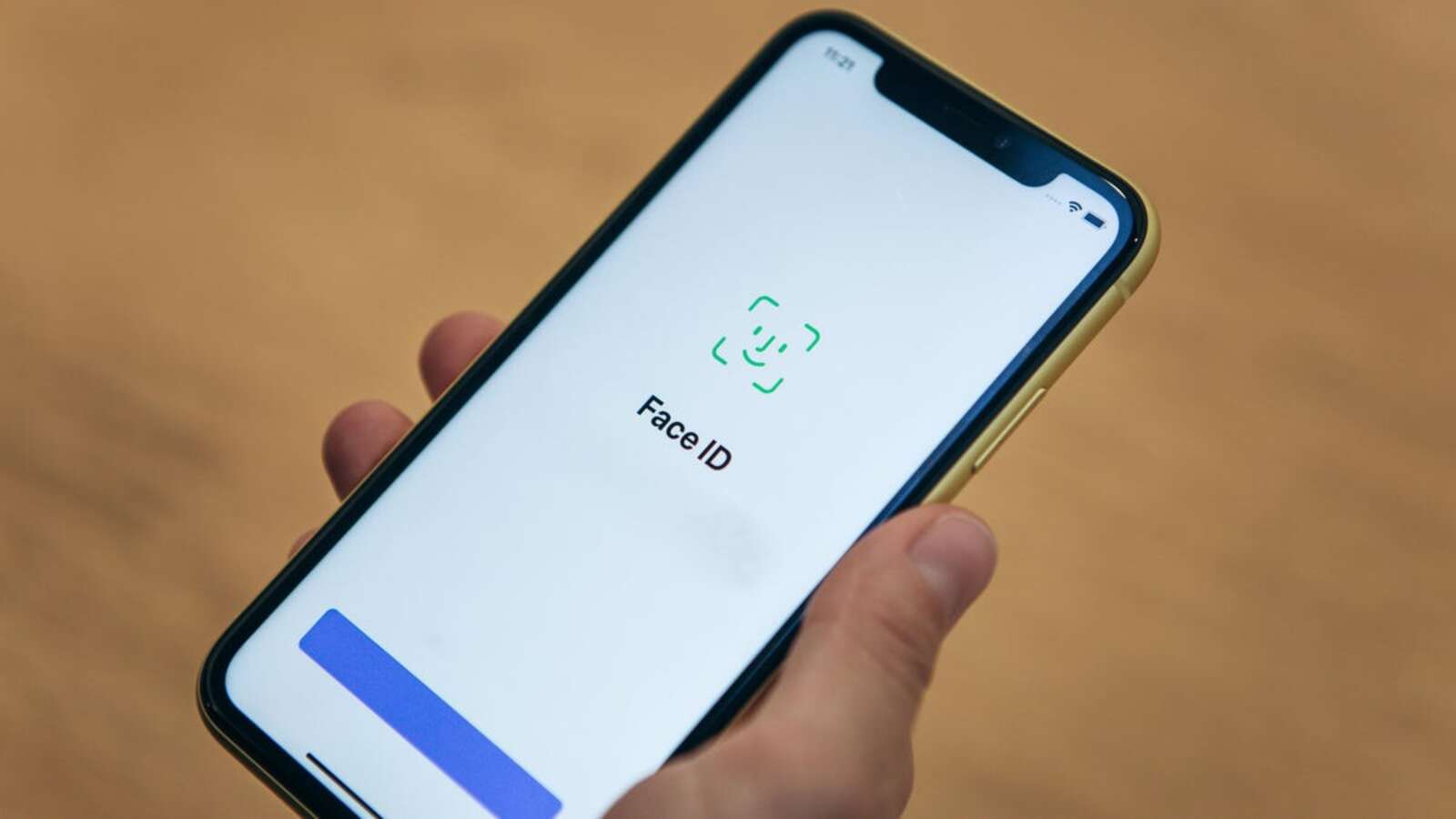
Big Brother! 1984! Scary catchphrases! You see, it’s understandable why you’re skeptical of Big Tech, especially when their products keep asking for more of your personal information. But let’s focus on one specific topic today: Apple’s Face ID is absolutely, absolutely, and undisputedly secure, and it only makes your iPhone more secure.

If you’re used to a smartphone that unlocks with a fingerprint or just a passcode, the idea of ​​this device scanning your face can be unsettling. With all of the talk about face recognition and smartphone tracking, you might think that allowing Apple to do something as important as your face is a bit slippery.

The thing is, Apple isn’t Arya Stark, and the company never actually gets to see that Face ID information. In addition, Face ID does not include a photo of your face at all. If you were to look at what your iPhone is using to get Face ID working, it would be an unrecognizable mess of math.

Why Face ID is so secure

When you first set up Face ID, your iPhone will emit 30,000 invisible points from the TrueDepth camera to scan your face. As mentioned earlier, no photo is taken of your face; Instead, it takes the information from all of these invisible points and converts it into a “mathematical representation,” data that neither you, I, nor Apple could understand by just looking at it.

G / O Media can receive a commission

These dates are then encrypted, and saved in a file that Apple calls a “safe enclave” on your device. This part is the key; Your encrypted Face ID information never leaves your iPhone. It won’t upload to iCloud when you take a backup, it won’t be sent to an Apple server, it just lives on your iPhone and never leaves.

And since it’s encrypted, only your iPhone can interpret the data. No other device can read this “math representation,” so it would be useless for a company like Apple to even use this data.

Then how does Face ID work?

Okay, if your iPhone doesn’t have a photo of your face, then how does it know you are you when you unlock your phone? It’ll be cool there. When you unlock your iPhone, the TrueDepth camera beams those 30,000 points back onto your face and creates another math representation from that data. It then compares this math string with the math representation stored on your device. If it’s a game, you’re in. If not, you will get the shaking lock icon.

The bottom line is this: Apple doesn’t see your face, and neither does your iPhone. Apple doesn’t see your Face ID information; It is securely stored on your iPhone and only accessible to you. The same goes for all apps that use Face ID for authentication, e.g. B. when you buy something on your iPhone. This app is only allowed to know whether the face scan matches or not and cannot access any of the Face ID data.

Here are some more encouraging statistics as well. If you come from an iPhone with Touch ID, Face ID is 20 times more secure. Apple claims the chance that a stranger can fool Touch ID is one in 50,000. With Face ID, it’s one in a million, according to Apple. It is also based on depth information that requires a real face. 2D images, like photos, are unlikely to fool the sensors.

Face ID is safe and secure and paired with you good passcode, it can help ensure that no one other than yourself or someone else approved is never accessing your iPhone. So the next time your iPhone wants to scan your face, you can leave it alone and comfort yourself in the knowledge that neither your phone nor Apple is really looking at you.

POPULAR POSTS