Home Blog Page 195

Verify the fish in your fridge to see if it is a part of a recall

0

Illustration for the article titled Check The Fish In Your Fridge: It Could Be Part Of A Big RecallPhoto: Alena Haurylik (Shutterstock)

If your weekend plans include a leisurely home brunch with lots of smoked and / or pickled fish products, be sure to check the labels and possibly create a backup menu. This is because more than 80 different fish products have been recalled due to concerns about possible contamination with Listeria monocytogenes. according to the Food and Drug Administration (FDA). Here’s what you should know about the recall and what to do if you’ve bought one of the fish in question.

What’s included in the recall

A total of 84 fish products are part of a voluntary recall by their maker, Banner Smoked Fish, Inc. of Brooklyn, NY, including smoked fish, pickled fish, creamy fish, and fish salads. Items were sold online and in retailers in New York, New Jersey, Illinois, Pennsylvania, California, Florida, Nebraska, Arizona, Massachusetts, Maryland, Virginia, Ohio, Nevada, Oregon, Wisconsin, Michigan, Washington, North Carolina, South Carolina and Georgia.

So what’s the reason for the recall? A routine FDA inspection found that the fish products were processed under unsanitary conditions – particularly those that could contaminate the food with Listeria monocytogenes.

As of yesterday, there were no reports of illness related to eating any of the fish in the recall, but you don’t want to be the first: Listerias are no joke – especially for young children, older adults, and anyone with a weakened immune system. It’s also not a picnic for everyone else as it causes short-term symptoms such as a high fever, severe headache, stiffness, nausea, abdominal pain, and diarrhea FDA reports.

G / O Media can receive a commission

CBD gummies

The fish products come in a variety of sizes in both air and vacuum packs and are sold under a variety of brand names including Banner, Marshall’s Best, Supreme Fine Fish Products, Ben Z’s, BINGO, Westside Market NYC, New York Steelhead, and Golden Taste. You will find a full list of recalled products here, and pictures of many of theirs Labels and brand names here.

What to do if you bought the recalled products

This time it is not a question of determining whether you have items from a specific shipment or batch: Banner will recall all products that have not yet reached their expiry date (which can be found on the back of the package).

Anyone who has purchased the recalled fish items should return them to the place of purchase for a full refund. If you would like to contact the company directly, you can do so by calling (718) 449-1400 Monday through Friday, 8 a.m. to 4 p.m. EST.

Theranos is historical past, however huge blood take a look at breakthroughs are imminent

0

Medical researchers say that within a few years there will be major breakthroughs in blood testing technology that uses immune system response and genetic analysis to identify disease quickly and cheaply.

Image Alliance | Image Alliance | Getty Images

One morning in May last year, Tayah Fernandes’ mother, Shannon, found that her four-year-old daughter was seriously ill and took her to the nearest emergency room in Manchester, England. The coronavirus had crashed on Britain’s coasts weeks earlier, and emergency doctors were initially unsure how best to treat Tayah’s constellation of symptoms, which included abdominal pain and a bright red rash.

They gave her antibiotics for a suspected bacterial infection, but her condition only worsened, her fever rose. For her parents, for all parents, this was the ultimate medical nightmare; For days, doctors grope in the dark about the cause of their daughter’s illness.

Eventually, after further blood tests, doctors decided that Tayah had an unusual inflammatory syndrome that pediatric infectious disease specialists had just discovered, but which were believed to have links to Sars-COV-2.

Young patients across the UK and US arrived in intensive care units with symptoms similar to another disease that doctors have already recognized called Kawasaki. But they had no guarantee that the same treatment – injecting a solution of donor antibodies into the bloodstream – would be successful.

In Tayah’s case, the antibody solution known as immunoglobulin worked to provide relief to her parents. But around the same time last May, a team of researchers at Imperial College London, through complex analyzes of blood samples from patients like Tayah, confirmed that it was indeed a new disease, different from Kawasaki.

Hunt within the immune system’s response to bacteria, viruses

A related breakthrough in the same lab, specifically focused on individual gene behavior, could have seismic ramifications on a billion dollar diagnostics sector that has received unprecedented attention from patients, regulators, and the business community over the course of this pandemic.

A new way of identifying a particular disease from blood samples relies on the correlation between the activity of a small group of genes that make up the immune response and certain pathogens that cause a particular disease – just as the poliovirus causes polio, the coronavirus (SARS. ). -COV-2, a pathogen) causes Covid-19. Scientists believe that by examining a small number of genes, they can quickly identify what pathogen is in a patient’s system, what disease they have, and how best to treat them.

Companies, from small spin-offs from research universities to industry giants like Abbott Laboratories and Danaher’s Cepheid, want to build on two decades of research into how our own immune systems naturally react to foreign substances in our bodies, including pathogens like bacteria and viruses. A current technology like Cepheid’s GeneXpert technology is able to differentiate between the different RNA of different viruses like SARS-COV-2 or a certain strain of influenza, but experts are saying more and more clearly that our body’s immune system can be faster , more accurate detection systems.

In the past, doctors had to rely on a patient’s medical history and symptoms to narrow down the cause of a disease and develop a treatment plan. More recently, molecular-level laboratory studies like Cepheid technology have enabled clinicians to identify certain pathogens in nasal mucus, throat swabs, or blood samples that could have caused a disease. But searching for bacteria or viruses this way can be time-consuming, costly, and sometimes simply ineffective. The specific RNA signature of a virus can be difficult to identify.

Abbott and Cepheid did not respond to requests for comment.

More of CNBC’s healthy returns

The team at Imperial College, London, which works separately but simultaneously with several colleagues around the world, is now convinced that future diagnoses can soon be carried out with table tests that will only take a few minutes.

These tests would not look explicitly for a specific pathogen, but instead would allow scientists and medical professionals to simply observe how certain genes behave in the body, as an indication of how an immune system is already reacting to a pathogen that may otherwise not be easily recognized is more detectable.

Imperial College Professor Mike Levin is currently leading an ongoing European Union funded study entitled “Diamonds” that focuses on this potential. In recent years he and other scientists have shown how the observed activity in a small number of our genes can function as a kind of shortcut for our body’s immune response to a pathogen. When a handful of certain genes out of the thousands in a blood sample are activated – or, on the contrary, inhibited – it can indicate that a person is preparing to fight off a particular pathogen.

We think this is a completely revolutionary way of medical diagnosis.

Imperial College Professor Mike Levin

Levin and colleagues already have a proof of concept for this diagnostic approach after studying thousands of patients with tuberculosis fever and hundreds of Kawasaki patients. And his Imperial College team’s work on the Diamonds study is starting to bear fruit and could help identify the diverse immunological markers of diseases such as coronavirus-related multisystem inflammatory syndrome in children like Tayah Fernandes, now commonly known as MIS -C. To identify.

When Covid-19 surfaced in multiple locations, with MIS-C in its wake, it provided Levin and his researchers with an unprecedented opportunity to test this technique on an entirely new disease.

In the future, these tests – by relying on huge amounts of data and machine learning – should be able to produce multi-class, rather than just binary, results. This not only enables them to determine whether a pathogen is bacterial or viral, or whether or not someone has a certain disease, but also to distinguish which of a variety of diseases affects their patients.

In short, Levin expects that by studying the behavior of a relatively small number of genes, clinicians will be able to assign patients to all major disease classes within an hour.

“We think this is a completely revolutionary way of medical diagnosis,” said Levin. He expects research to provide the basis for new technologies, but has no financial interest in any related business.

Rather than what he calls the “step-by-step process” of first clearing bacterial infections, treating the most common conditions, and then doing further research, “this idea is the very first blood test that can tell you whether the patient has an infection or not “. an infection, and which infection group it is, down to the individual pathogens. “

Purvesh Khatri, Associate Professor at the Stanford Institute for Immunity, Transplantation and Infection and Department of Medicine, says that our immune systems have been evolving for millennia to fight pathogens, and therefore, it could prove to be more effective and efficient in the response of our bodies .

“We didn’t have a technology that could measure a number of genes quickly at the point of care,” he said. “But there has been enough technology in the last few years that we can now measure some genes in a rapid multiplex point-of-care assay.”

Although neither the FDA nor any European regulator has approved these type of gene-based pathogen detection systems, Khatri, who is helping set up a related commercial company, says they are coming soon. “There will be more than one coming out in the next year or two.”

Stay connected with Healthy Returns

For a front row seat at CNBC Events, hear directly from the visionary leaders, innovators, executives and influencers who take the stage on The Keynote Podcast. Now, listen whichever way you get your podcasts.

For more exclusive insights from our reporters and speakers, sign up for our Healthy Returns newsletter to get the latest news delivered to your inbox every week.

Combine in nectarines and vermouth for a fruity summer time sipper

0

Illustration for the article titled Blend Nectarines and Vermouth for a Fruity Summer SipperPhoto: Claire Lower

Aside from the bellini, there aren’t many famous stone fruit forward cocktails. But peach and nectarine purees are delicious, if a bit viscous, and you can’t just dilute them with sparkling wine. If you’re looking for a low-alcohol sipper that tastes like summer, all you need is a little nectarine, some sugar, and some dry vermouth.

This recipe actually makes two cocktails – one for you and one for a lucky friend. Start by crushing a small nectarine and mixing it with sugar. Let this hang for about half an hour until the juices start flowing, then mix with a dry vermouth and strain off the solids. It is a bit complex, but the result is a fruity and complex drink with a pleasant acidity and nice almond notes. You don’t have vermouth? Sherry works wonderfully too.

In all honesty, this drink goes down a little too easily, which makes the lower alcohol content a big plus. It is also very easy to stack; just scale the ingredients to your needs, toss everything in a blender and pour it through a sieve into a jug. But I’m overdoing it myself – to make a couple of these peach-colored (or rather necatarine-y) beauties you will need:

  • 1 small nectarine, cut into 1/2-inch cubes
  • 1 tablespoon of white sugar
  • 4 ounces dry vermouth (I like Dolin)

Mix the nectarine with the sugar and let rest for half an hour in a small bowl or cup. Put the fruit in a blender (or the cup that came with your hand blender), add the vermouth, and blend everything until smooth. Strain through a sieve into two small cocktail glasses. If something starts to clog, stir the mixture in the strainer to keep it moving. Put a few ice cubes in each glass and enjoy.

Why the creator of Teen Wolf thought the present was “F – ked”

0

A decision Davis regrets in retrospect? Killing Allison in the season three finale after Reed expressed her desire to leave the show.

“I don’t know if I would have done it now, but it was the time of the Game of Thrones’ great death and it was all about what character could you kill to shock the audience?” Thought Davis. “There was a lot of pressure to kill a main character. I remember the network saying you have to kill someone. And I say, ‘I don’t want to kill anyone, they’re like my kids!'”

Reed wasn’t the only cast member to leave the show with Colton Haynes shocking fans with his exit in season two and Daniel Sharman Decision not to return for season four. Tyler Hoechlin eventually decided to step back from the show in season five because, as Davis joked, “He decided he was sick of brooding and staring in the woods for which I can’t blame him!”

Davis admitted, however, that it was “hard” to adjust the storylines after each exits, and went on to explain how the writers ultimately dealt with the comings and goings of actors.

“You’re trying to tell the best story we can tell first,” he explained. “And the second is recognizing and remembering who the main characters on the show are. I remember saying, ‘Look guys, the show is called Teen Wolf.

Davis also had to find a creative way to write Stiles from season three episodes after O’Brien booked the lead role in The Maze Runner.

“We had to do the old trick of knocking him out so he’s in a coma,” he said with a laugh. “It’s the old trick of putting the character into a coma trick!”

Can you actually mute Twitter’s algorithm to cease steered Tweets from being displayed?

0

Twitter logo and some of those green numbers from the matrixPhoto: TY Lim (Shutterstock)

While Twitter is rolling out its new one Twitter blue Subscription service, some of us still long for the old days when the timeline was just a bunch of tweets at a time from people you wanted to follow. There is a mute list hack that will supposedly help you mimic this old school experience, but does it really work?

The hack is Here, and it’s just a list of keywords to mute in order to clean up your timeline. If you are not familiar with the mute function, just go to your Twitter settings under “Content Settings” and you can mute any word or phrase for 24 hours, a week, a month or forever. If you’re fed up with a meme or don’t want to hear about a particular politician, you can put them on your mute list.

But back to that keyword hack: it’s based on the assumption that certain internal Twitter tags will appear with the things you don’t want on your timeline. For example, if someone you follow replies to someone you don’t reply, both tweets will appear on your timeline, and in theory there is a special keyword that denotes that. Or if someone you follow “likes” a tweet that wouldn’t otherwise show up for you, Twitter might decide to show it to you anyway. Those little snippets of things you might have missed or suggestions people should follow? They are supposedly included in this hack as well.

Unfortunately it does not work. The comments on the Github page are mostly positive, thanking the author for posting the list and indicating that the one or two people who don’t get it to work are doing something wrong. But the naysayers are right. Twitter itself tweeted when this list went live that muting these keywords won’t remove suggestions from your timeline.

But I tried just in case. I went through the list and muted everything from ActivityTweet to suggest_pyle_tweet to suggestrecycledtweet_inline. And the result – in my browser and in my phone app – was Bupkis. I still have tweets that say “[your friend] and 3 others liked “and”[your friend] replied “despite the mutes.

G / O Media can receive a commission

One reason why it can be easy to believe they work? Twitter doesn’t insert its suggestions in a predictable way. After you mute the words, you may not see any of them for a while. I was scrolling my Twitter feed endlessly while researching this article, and even before I muted the keywords, I didn’t see many of the suggested tweets. They only show up when you least expect them, I suppose.

Could it be that the muting disappears certain suggestions that I didn’t notice during testing? Maybe, but it’s hard to confirm. I tried searching through the keywords from the list in the HTML page source for my Twitter timeline and they didn’t show up (even if I looked directly at a suggested tweet and even inspected that element). If this feature ever worked, Twitter must have changed their code to evade it. Or maybe it was wishful thinking all along.

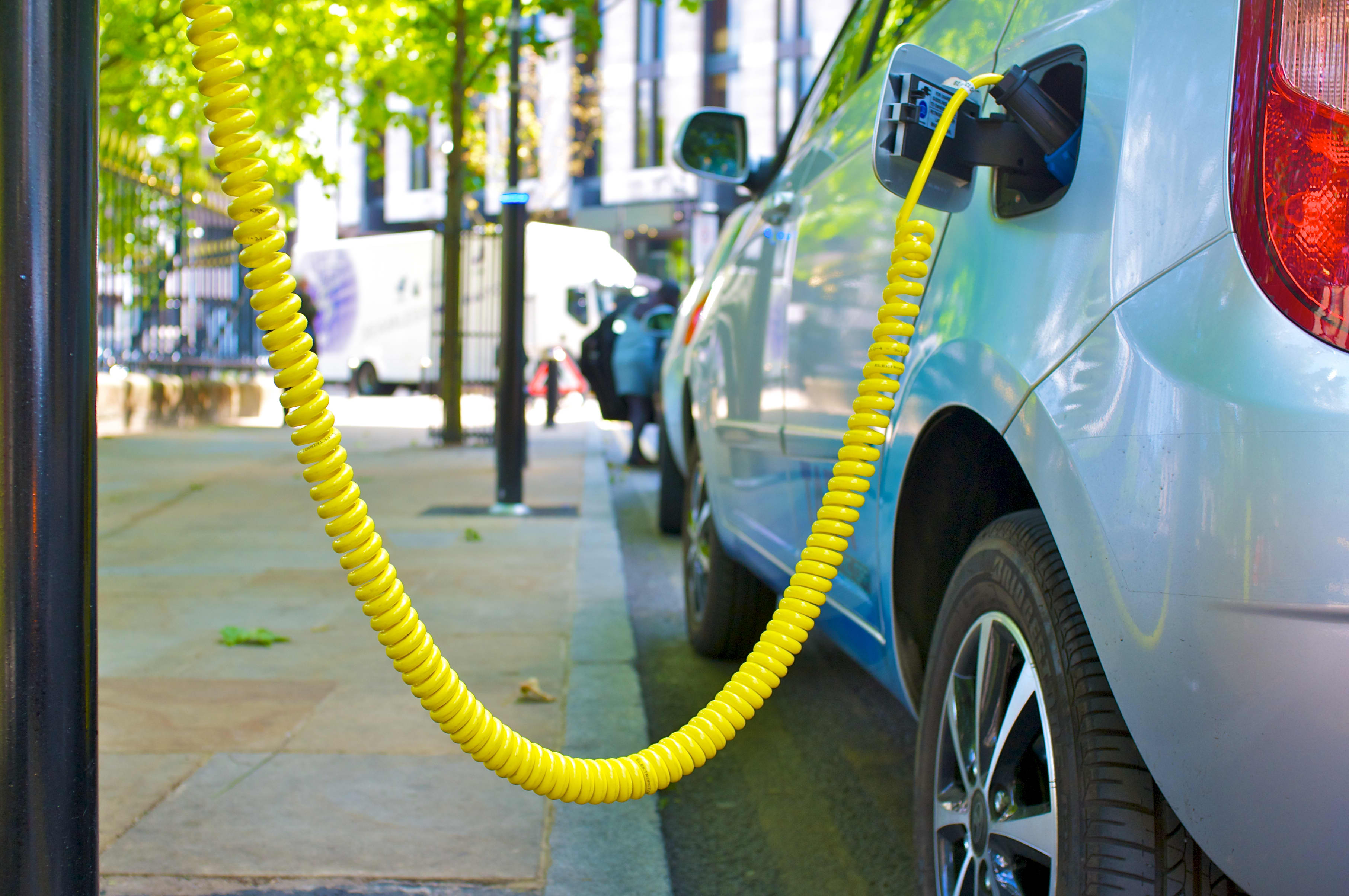
Whereas gross sales of electrical automobiles are rising, discussions are turning to noise and security

0

Martin Pickard | Moment | Getty Images

Hyperloop, hydrogen-powered trains and air taxis. As the 21st century progresses, the way people get from A to B is on the cusp of a major change driven by design and innovation.

While the above technologies may still be a few years away from widespread adoption, that doesn’t mean the change isn’t already underway.

Around the world, national and local governments are trying to reduce emissions and improve air quality in cities, with many betting on a growing sector: battery electric vehicles.

There is undoubtedly a dynamic behind the industry. According to a recent report by the International Energy Agency, around 3 million new electric cars were registered last year, a record and an increase of 41% compared to 2019.

Looking ahead, the IEA says the number of electric cars, buses, vans and heavy trucks on the roads – its forecast doesn’t include two- and three-wheel electric vehicles – is projected to reach 145 million by 2030.

If governments step up efforts to meet international energy and climate goals, the global fleet could grow even further, reaching 230 million by the end of the decade.

A changing world

As the number of electric vehicles on the world’s roads increases, society must adapt.

Extensive charging networks, for example, need to be rolled out to meet increased demand and to dispel persistent concerns about “range anxiety” – the idea that electric vehicles cannot make long journeys without losing power and getting stranded.

Another area in which we will notice changes concerns noise: electric vehicles are not only emission-free, but also significantly quieter than their diesel and gasoline cousins.

Read more about electric vehicles from CNBC Pro

This means less noise pollution in urban areas – a clear thing – but it also poses a potential challenge for other road users, especially those with vision problems.

“It can be very difficult for blind or visually impaired people to judge traffic,” Zoe Courtney-Bodgener, Policy and Campaigner for the UK’s Royal National Institute of Blind People, told CNBC in a telephone interview.

Courtney-Bodgener explained that more and more “quiet” modes of transport are being used, using the example of bicycles and larger electric and hybrid vehicles.

“If you can’t always see these vehicles reliably or with your eyesight, the sound is even more important,” she said.

“And if the noise is not there or is not loud enough to reliably detect these vehicles, there is of course a risk, because … you cannot reliably know when a vehicle is approaching you.”

The law of the land

It should be noted that laws and technology have been put in place around the world to address this problem.

For example, in the European Union and the United Kingdom, all new electric and hybrid vehicles must use an audible vehicle warning system, or AVAS for short, from July 1st. This will build on and expand on the previous regulations that came into force in 2019.

According to the rules, the AVAS should step in and make noises when the speed of a vehicle is less than 20 kilometers per hour (about 12 miles per hour) and when it is reversing.

According to a 2019 UK government statement, the sound can “be temporarily turned off by the driver if necessary”.

According to the EU regulation, the noise generated by the AVAS should “be a continuous tone that informs pedestrians and other road users of a vehicle that is in operation”.

“The noise should easily reflect vehicle behavior,” it adds, “and should sound similar to a vehicle of the same category equipped with an internal combustion engine.”

RNIB’s Courtney-Bodgener told CNBC that while her organization was “happy” that the AVAS policy had been translated into UK law, it had not “done everything we asked of it”.

She went on to explain how the speed at which the AVAS turns on might need to be increased to 20 or 30 miles per hour.

“We are not convinced that if … a vehicle is traveling at a speed of 21 miles per hour, for example, it would generate enough noise on its own to be reliably recognized by noise.”

Another area of ​​concern concerns older vehicles. “There are already many, many electric and hybrid vehicles that were produced before this legislation came into effect that did not have the sound technology,” she said.

There are currently no plans to retrofit these, she added. “This is worrying because there are already thousands of vehicles on the UK’s roads that do not have AVAS technology.”

From the industry’s point of view, it appears to be satisfied with the existing regulations. In a statement emailed to CNBC, AVERE, The European Association for Electromobility, told CNBC that it supported the “current legislative status quo”.

“The limit of 20 km / h is sufficient, as other noises – especially rolling resistance – take over at this level and are sufficient for pedestrians and cyclists to hear approaching electric and hybrid vehicles,” added the Brussels organization.

“In fact, the requirement of additional noise above 20 km / h would deprive European citizens of one of the main advantages of electrification: lower noise levels at city speeds.”

Noise pollution can indeed be a serious problem. According to the European Environment Agency, over 100 million people in Europe are “exposed to harmful environmental noise”. The agency classifies road traffic noise as “a particular public health problem in many urban areas”.

Regarding the need for modernization of older cars, AVERE said: “Only a very small proportion of the electric vehicles on European roads would be subject to retrofitting obligations, as many existing vehicles were already equipped with AVAS in anticipation of the new ones and that the rules were introduced in good time to meet the expected mass consumption of To support electric vehicles in the years to come. “

Should it emerge that “additional requirements” are needed, AVERE is ready to work with policy makers.

The future

The discussions and debates on this topic are likely to go on for a long time and it is clear that a balance will have to be found in the future.

Whether you think current legislation goes far enough or not, the fact is that these types of systems will become an increasingly important feature of urban travel in the years to come.

Robert Fisher is Head of EV Technologies at the research and consulting company SBD Automotive.

He emailed CNBC that tests the company carried out had “shown AVAS to be quite effective,” but added that if a pedestrian is unfamiliar with the noise, “may not automatically do so with presence of an approaching “Connect Vehicle.”

“Currently, AVAS is mainly hampered by inconsistent legislation and a lack of innovation,” he said, and dared to look positively into the future.

“With the move away from the internal combustion engine, this technology has the potential to become an integral part of a car’s character, a point of brand differentiation and the ability to save lives.”

35 cartoons children love and fogeys will not hate

0

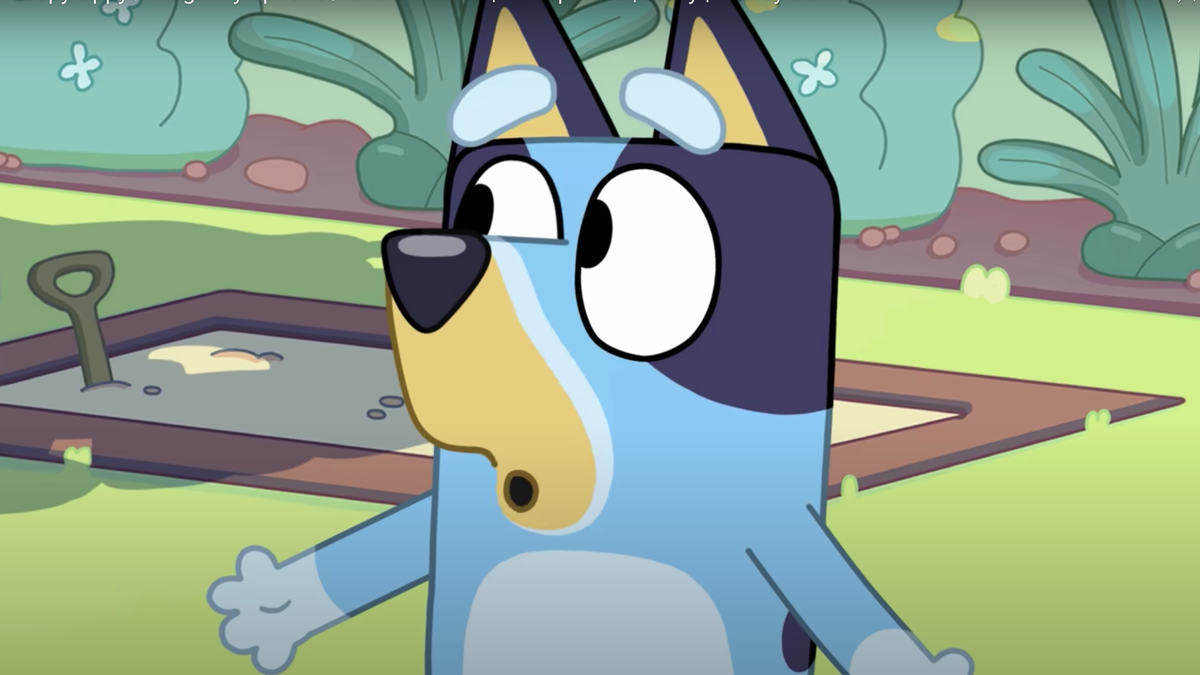
I (Meghan) was considering ticking Bluey off this list as a joke, but I don’t want my inbox to fill up with your anger, so there you go. This was by far the most frequently mentioned show in the Facebook group (which was recommended somewhere near 100 different shows by the way). I’m not very familiar with this as it came out when my son was out of Disney junior stages, but I walked into a Bluey YouTube rabbit hole yesterday after so many people in our group praised it. And, well, I’ll have a sample of it speak for its unmatched size, in case you’re not familiar with that either (if its placement on the New York Times 2020 Best TV Network List is not convincing enough):

“Seriously, it’s our favorite show right now. I think we love it more than the children. “(Jason)

“Bluey is suitable for all ages, including parents for two hours after the kids go to school and you leave it on anyway.” (Ryan)

“Bluey is the best!” (Jen)

“Bluey is amazing and I am so happy that there is now a second season! I love papa. “(Rivka)

“As many have mentioned, Bluey is THE BEST. For everyone. “(Maggie)

Where to stream: Disney +

Natalia Bryant’s commencement is not with out a message from Kobe

0

Natalia Bryant keeps her late father, NBA icon Kobe Bryant, close to her heart as she begins her next chapter.

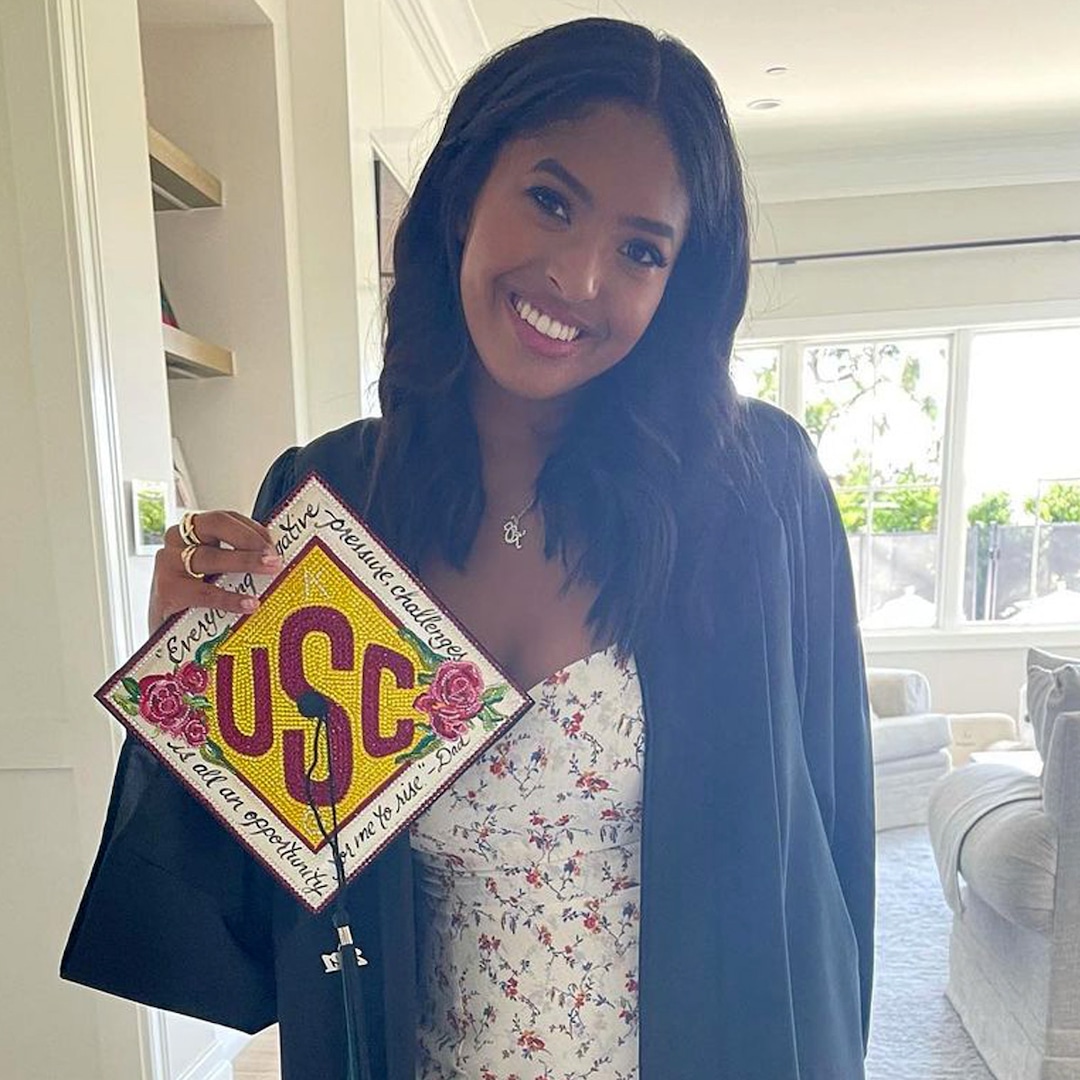
On Friday June 4th, Vanessa Bryant celebrated the 18-year-old’s latest milestone with Instagram photos documenting her high school graduation. In the fall, Natalia will be attending the University of Southern California in Los Angeles, but not before her loved ones say goodbye.

“Daddy Mommy, tooth, Bianca and capri are so proud of you @nataliabryant !!! “Vanessa subtitled a photo of Natalia’s rhinestone cap.

Tracing the border of the cap is one of Kobe’s most famous quotes, which reads: “‘Anything negative – pressure, challenges – is a chance for me to get up.’ – Father”

Vanessa, who tragically lost Kobe and her 13-year-old daughter Gianna “Gigi” Bryant in a helicopter crash in January 2020, she also shared a photo of Natalia posing with her hat and dress.

Before graduation day, Vanessa took her girls to party at Disney California Adventure Park, and Natalia attended not one but two balls.

5 issues you need to know earlier than the inventory market opens on Friday June 4th

0

Here are the top news, trends, and analysis investors need to start their trading day:

1. Stock futures rose after the slight job report in May

Trader on the New York Stock Exchange.

Source: NYSE

U.S. President Joe Biden (left) wears a protective mask while speaking with Senator Shelley Moore Capito, a Republican from West Virginia, in the Oval Office of the White House in Washington, DC, the United States, on Thursday, Jan.

TJ Kirkpatrick | Bloomberg | Getty Images

US companies observe infrastructure talks between President Joe Biden and Senator Shelley Moore Capito, the GOP negotiator. They want to meet again on Friday. At their meeting on Wednesday, Biden proposed a minimum 15% tax on businesses as part of a compromise to pay for a smaller infrastructure package worth $ 1 trillion.

2. Employment growth in May has doubled compared to April

A General Motors assembly worker loads engine block castings onto the assembly line at the GM Romulus Powertrain plant in Romulus, Michigan, the United States, August 21, 2019.

Rebecca Cook | Reuters

Employment growth last month was about twice as fast as in April. The US economy added 559,000 non-agricultural workers in May, compared with an estimate of 671,000. As the restrictions on the Covid pandemic were further relaxed, 186,000 food services and drinking places were added in May. The total number of jobs in April has been revised up by 12,000 to 278,000.

The country’s unemployment rate fell to 5.8% in May, compared to estimates of 5.9%. Investors continued to believe that a modest increase in jobs would prevent the Federal Reserve from hike rates and tighten monetary policy.

3. AMC boss advocates selling more shares in a YouTube interview

Chairman / CEO of AMC Entertainment Inc. Adam Aron speaks on stage at the Will Rogers Pioneer of the Year Dinner 2018 at Caesars Palace during CinemaCon, the official convention of the National Association of Theater Owners, on April 25, 2018 in Las Vegas, Nevada .

Alberto E. Rodriguez | Getty Images

AMC Entertainment’s shares fell more than 3% in the premarket on Friday, in a wild, Reddit-fueled week of trading that saw shares nearly double on Wednesday and then retreat nearly 18% on Thursday. CEO Adam Aron sat down with Trey Collins, the host of Trey’s Trades channel on YouTube, on Thursday evening. Many of the channel’s subscribers are AMC investors. After two separate stock sales this week that raised approximately $ 800 million in cash, Aron urged shareholders to support a new plan to issue an additional 25 million shares. Aron reiterated that AMC is looking at a number of acquisition opportunities.

4. Bitcoin falls after Elon Musk tweeted a breakup meme

Bitcoin fell nearly 5% to around $ 36,700 on Friday morning, hours after Tesla CEO Elon Musk tweeted a meme depicting a couple breaking up using a bitcoin hashtag and broken heart emoji. Other cryptocurrencies, including Ether and Dogecoin, also fell. In May, Musk said that Tesla would no longer accept Bitcoin as a payment method due to concerns about energy consumption.

5. Bill Ackmans SPAC confirms talks to acquire 10% of Universal Music

Bill Ackman, Founder and CEO of Pershing Square Capital Management.

Adam Jeffery | CNBC

Pershing Square Tontine Holdings, the special purpose vehicle owned by billionaire investor Bill Ackman, confirmed on Friday that it is in talks to buy 10% of Universal Music Group for around $ 4 billion. The transaction would be worth approximately $ 42 billion to Universal Music. The holding company said the transaction would not result in a merger and Universal Music would conduct a scheduled listing on Euronext Amsterdam in the third quarter of 2021.

– The Associated Press contributed to this report. Follow all market activity like a pro on CNBC Pro. Get the latest on the pandemic with coronavirus coverage from CNBC.

The Wuhan lab ought to obtain $ 1.5 million in federal grants for the bat research, emails present

0

The Wuhan Institute of Virology received hundreds of thousands more dollars in federal grants than the White House’s chief medical advisor, Dr. Anthony Fauci, who told lawmakers last week, as newly published emails show.

News received from conservative watchdog group Judicial Watch indicates that the National Institute of Allergy and Infectious Diseases (NIAID) will provide $ 826,277 to the lab through New York City-based nonprofit EcoHealth over a six-year period through 2019 Provided by Allianz.

But Fauci, the longtime NIAID director, told a budget subcommittee on May 25 that the funding commitment was “about $ 600,000 over five years, a modest amount.”

U.S. funding for the lab has come under scrutiny amid the ongoing controversy over whether the coronavirus got from the research center to the 11-million city of Wuhan, causing the worst global pandemic in a century.

According to a table included in one of the emails, the Wuhan Institute of Virology received $ 133,595 in fiscal 2014 and $ 139,015 in fiscal 2015. The lab received $ 159,122 over the next three years before funding was reduced to $ 76,301 in fiscal 2019.

World Health Organization members visit the Wuhan Institute of Virology in Wuhan, China on February 3, 2021 for an investigation. 
All eyes are on the Wuhan Institute of Virology in Wuhan, China as the source of the coronavirus is investigated. AFP via Getty Images

An email from NIAID officer Dr. Emily Erbelding on April 13, 2020 points out that the 2019 Wuhan Laboratory funding was the first installment under a new grant to EcoHealth that the facility received over a total of six years on top of nearly $ 750,000 between the 2014 and 2018 financial years.

Between fiscal years 2014 and 2019, EcoHealth received approximately $ 3.75 million in grants to conduct its study entitled “Understanding the Risk of Bat Coronavirus Emergency”.

While Fauci described funding for the work in the Wuhan lab as “a modest collaboration with highly respected Chinese scientists who were global experts on coronavirus,” the email from NIH Lawrence Tabak’s deputy director describes the EcoHealth study as “a large transnational study ”. Wuhan is a location. “

In addition to several EcoHealth research sites in China, Tobacco’s email addresses refer to websites in “Thailand, Cambodia, Laos, Vietnam, Malaysia, Indonesia and Myanmar”.

Days after Tobacco’s email, NIH notified the EcoHealth Alliance that it was pulling the plug on the remaining grant money.

House Republicans recently sent a letter to the President of the EcoHealth Alliance, Peter Daszak, with questions about the federal grants that EcoHealth forwarded to the Wuhan lab, as well as the information the nonprofit was giving about the lab’s research on bat virus and the lab’s virus database had a report on Friday.

Daszak was given May 17 deadline to reply but allegedly never did.

POPULAR POSTS